
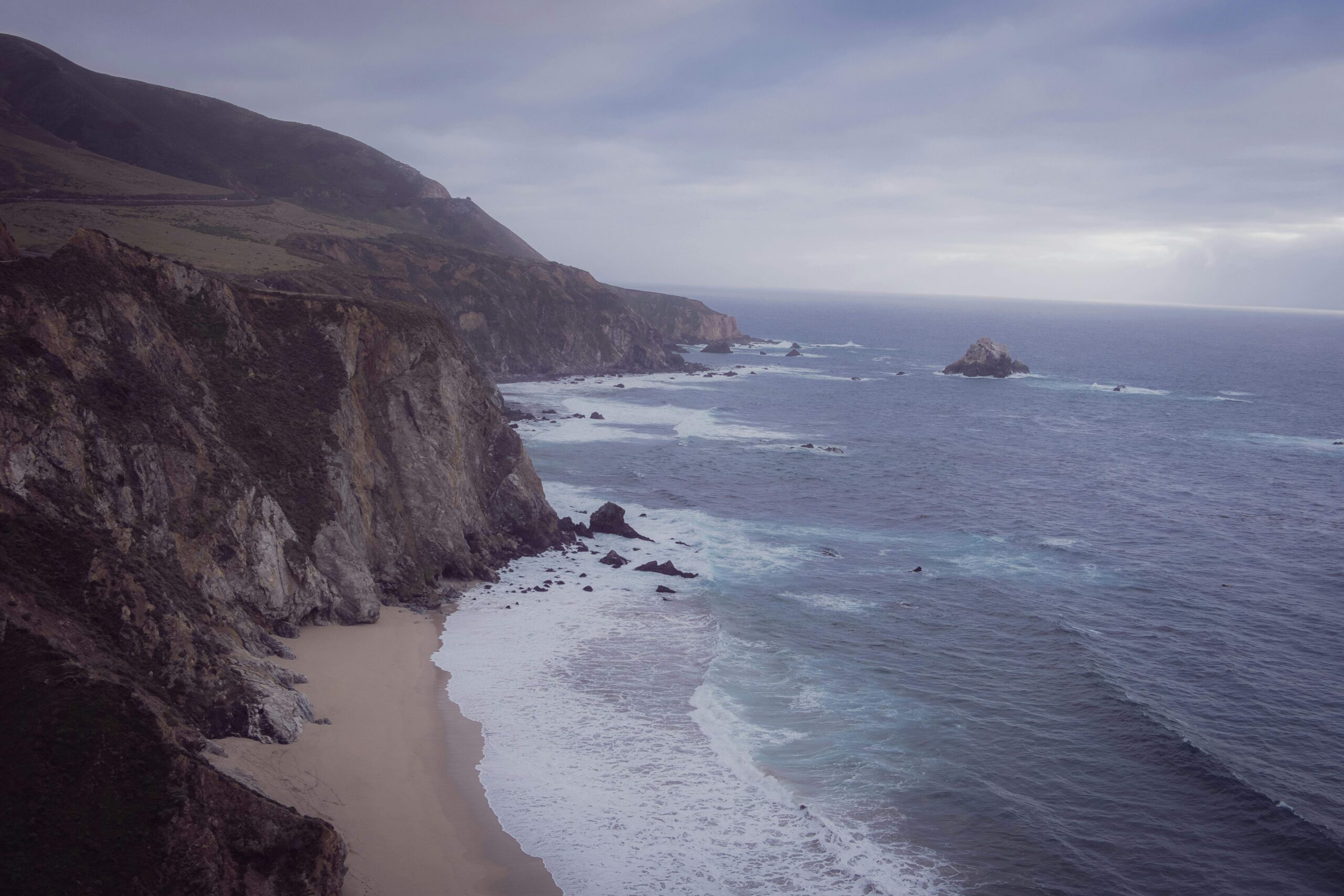
California offers some of the most diverse and accessible hiking opportunities in the United States, with trails that showcase everything from towering redwood forests and thundering waterfalls to pristine coastlines and otherworldly desert landscapes. But here’s the thing—not every memorable hike requires technical climbing skills or an overnight pack. Some of the most rewarding outdoor experiences come from easy day hikes that welcome beginners, families with young children, and casual hikers who simply want to enjoy nature without the physical demands of strenuous mountain ascents.
This comprehensive guide breaks down California’s best easy day hikes across different regions and ecosystems, giving you quick facts, practical planning tips, and detailed information to help you choose your next adventure. Each trail featured here offers something special—whether it’s getting up close with wildlife along the coast, walking among ancient giants in redwood groves, or experiencing the unique beauty of desert rock formations. For those wanting deeper details on any particular trail, we’ve created in-depth guides covering everything from turn-by-turn directions to photography tips. For a coastal adventure with marine wildlife, check our Sea Lion Point Trail guide. If redwoods are calling your name, don’t miss our Fall Creek to Lime Kilns trail guide. And waterfall enthusiasts will want to explore our Lower Yosemite Fall Trail guide.
Before you hit any trail, a good pair of lightweight hiking shoes and a reliable hydration pack will make your day significantly more enjoyable and comfortable.
Why Choose Easy Day Hikes in California?
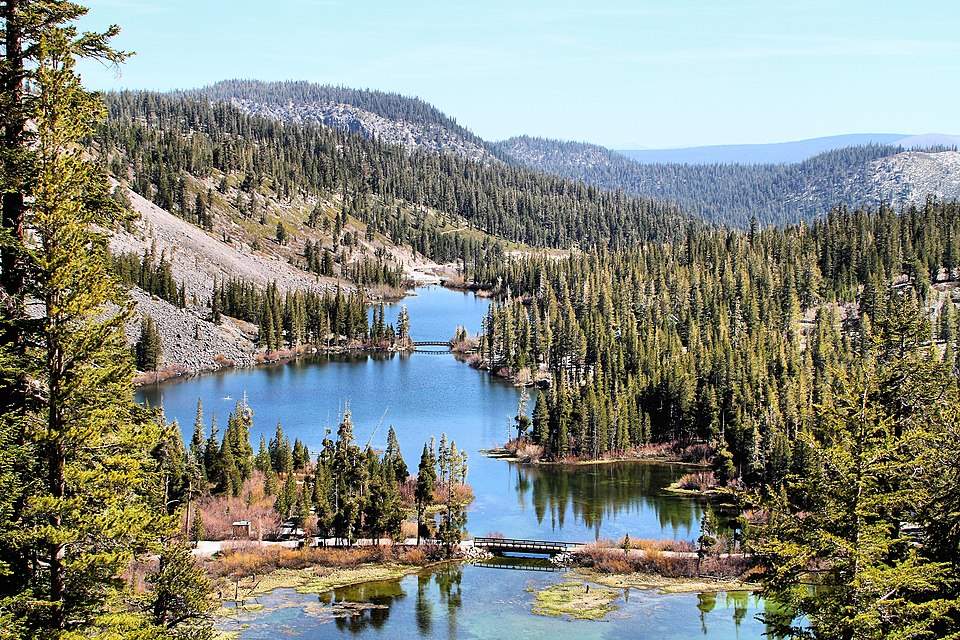
Easy day hikes represent the perfect entry point into California’s incredible outdoor playground. These accessible trails provide an ideal introduction for beginners who might feel intimidated by more challenging terrain, while offering families a chance to create lasting memories without worrying about whether young hikers can handle the distance or difficulty. Visitors to California—whether they’re here for a weekend or extended vacation—can experience the state’s natural highlights without requiring specialized gear or extensive hiking experience.
Perhaps the most compelling aspect of California’s easy hiking scene is the remarkable variety available within relatively short distances. You can start your morning watching sea lions bask on coastal rocks, then drive a few hours inland to walk among towering Joshua Trees in an entirely different ecosystem. The options span from Mediterranean-climate coastal bluffs where ocean breezes keep temperatures comfortable year-round, to shaded redwood canyons that feel like natural cathedrals, to high-desert landscapes that seem borrowed from another planet.
Most of these trails can be completed comfortably within 2 to 4 hours, making them perfect for half-day adventures that leave time for other activities or relaxation. This convenience factor opens up hiking to people who might not have entire days to dedicate to outdoor pursuits but still want meaningful nature experiences.
These easier trails also serve as excellent testing grounds for gear and fitness levels before attempting longer or more challenging hikes. Trying out trekking poles, waterproof jackets, or new hiking boots on a forgiving 2-mile loop gives you confidence and experience for future adventures.
Quick Comparison Table of California’s Best Easy Hikes
| Trail Name | Location | Distance | Duration | Difficulty | Best Feature | Detailed Guide |
|---|---|---|---|---|---|---|
| Lower Yosemite Fall | Yosemite Valley | 1 mile | 30 min | Easy | Waterfall views | Lower Yosemite Fall Trail Guide |
| Mirror Lake Loop | Yosemite Valley | 2–5 miles | 1–2 hrs | Easy | Half Dome reflections | Mirror Lake Loop Guide |
| Sea Lion Point | Point Lobos | 0.6 miles | 30 min | Easy | Wildlife & ocean cliffs | Sea Lion Point Trail Guide |
| Solstice Canyon | Malibu | 3 miles | 1.5 hrs | Easy | Waterfall + ruins | Solstice Canyon Loop Guide |
| Hidden Valley Loop | Joshua Tree | 1 mile | 1 hr | Easy | Desert rocks & landscape | Hidden Valley Loop Guide |
| Fall Creek to Lime Kilns | Santa Cruz | 3.5 miles | 2 hrs | Easy | Redwoods + historic ruins | Fall Creek Trail Guide |
| La Jolla Beach Walk | San Diego | 2 miles | 1 hr | Easy | Sea lions & tidepools | La Jolla Beach Trail Guide |
| Panorama Trail (short section) | Yosemite | 2–4 miles | 2–3 hrs | Easy-Moderate | Waterfalls & valley views | Panorama Trail Guide |
Best Easy Day Hikes in Northern California
Northern California presents some of the most iconic and accessible hiking in the world, anchored by the legendary trails of Yosemite National Park and the mysterious coastal redwood forests. This region experiences distinct seasons that create different hiking opportunities throughout the year—spring brings thundering waterfalls and wildflower displays, summer offers warm, dry conditions perfect for family outings, and fall delivers crisp air with fewer crowds.
Lower Yosemite Fall Trail
Standing before Lower Yosemite Fall represents one of those unforgettable moments that makes you understand why Yosemite attracts millions of visitors annually. This remarkably accessible trail brings you face-to-face with the thundering base of North America’s tallest waterfall system—a combined 2,425 feet when you include both the upper and lower falls. The beauty of this hike lies in its simplicity: just 1 mile round trip on mostly paved, level terrain that accommodates strollers and wheelchairs in many sections.
The trail begins near Yosemite Village, making it convenient for visitors staying in the valley or arriving via the free shuttle system. Spring visits, particularly April through June, showcase the waterfall at its most dramatic, when snowmelt creates a thunderous cascade that fills the air with mist you can feel from the viewing bridge. During these peak flow months, you’ll want waterproof clothing and maybe a compact tripod for photography.
What makes this trail especially appealing for beginners is the immediate payoff—within 15 minutes of walking, you’re standing at the base of an iconic natural wonder. The surrounding granite cliffs and valley views provide constantly changing perspectives as you make your way to the bridge viewpoint. For complete details on parking, seasonal considerations, and photography tips, see our Lower Yosemite Fall Trail guide.
Mirror Lake Loop
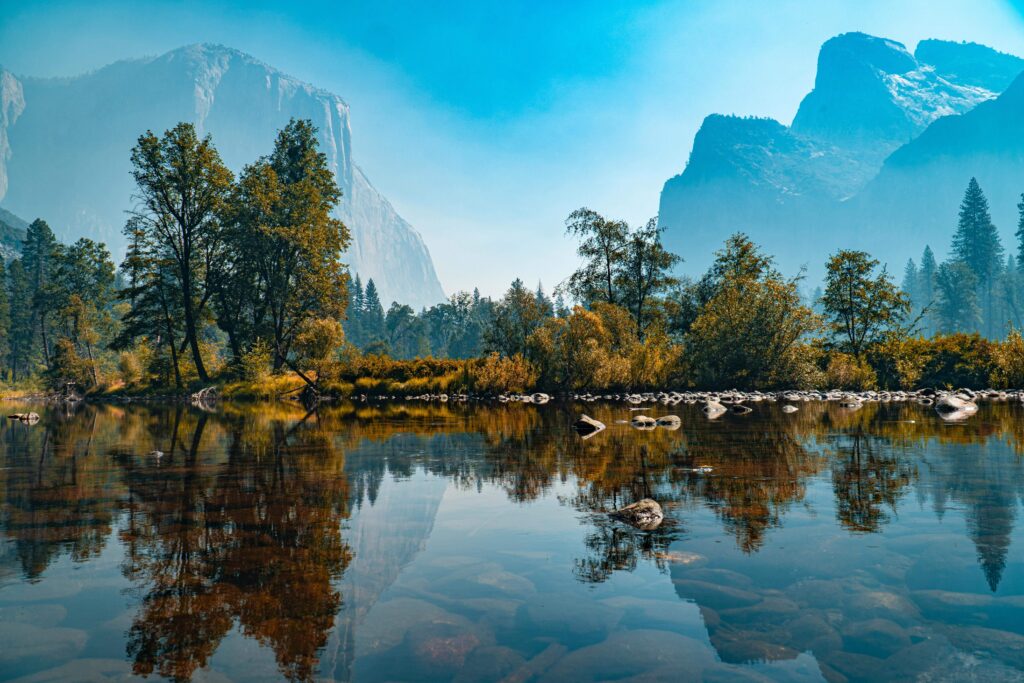
Mirror Lake offers something different from the dramatic waterfall experience—a peaceful, contemplative walk that showcases Yosemite’s granite domes in perfect reflection when conditions align. The trail provides flexibility with distance options: families with young children can opt for the 2-mile out-and-back walk to the lake itself, while more ambitious hikers can complete the full 5-mile loop for additional valley floor perspectives.
The “lake” itself is actually a seasonally fluctuating pool in the Merced River, best experienced in spring and early summer when water levels create those mirror-like reflections of Half Dome. Even when water levels drop later in the year, the sandy meadow environment and surrounding granite walls make for a scenic and easy walk. The flat terrain and paved initial section make this another stroller-friendly option.
One of the most appealing aspects of this trail is its potential for spontaneous wildlife encounters—deer frequently graze in the meadows, and the diversity of bird species keeps nature lovers engaged throughout the walk. The trail also connects with several other valley floor paths, allowing you to extend your exploration or create custom loop hikes. For those seeking a more challenging Yosemite adventure after completing this easy option, consider the Panorama Trail waterfall descent.
For detailed trail directions, seasonal timing recommendations, and tips for capturing those perfect Half Dome reflections, check our Mirror Lake Loop guide.
Fall Creek to Lime Kilns Trail (Santa Cruz)
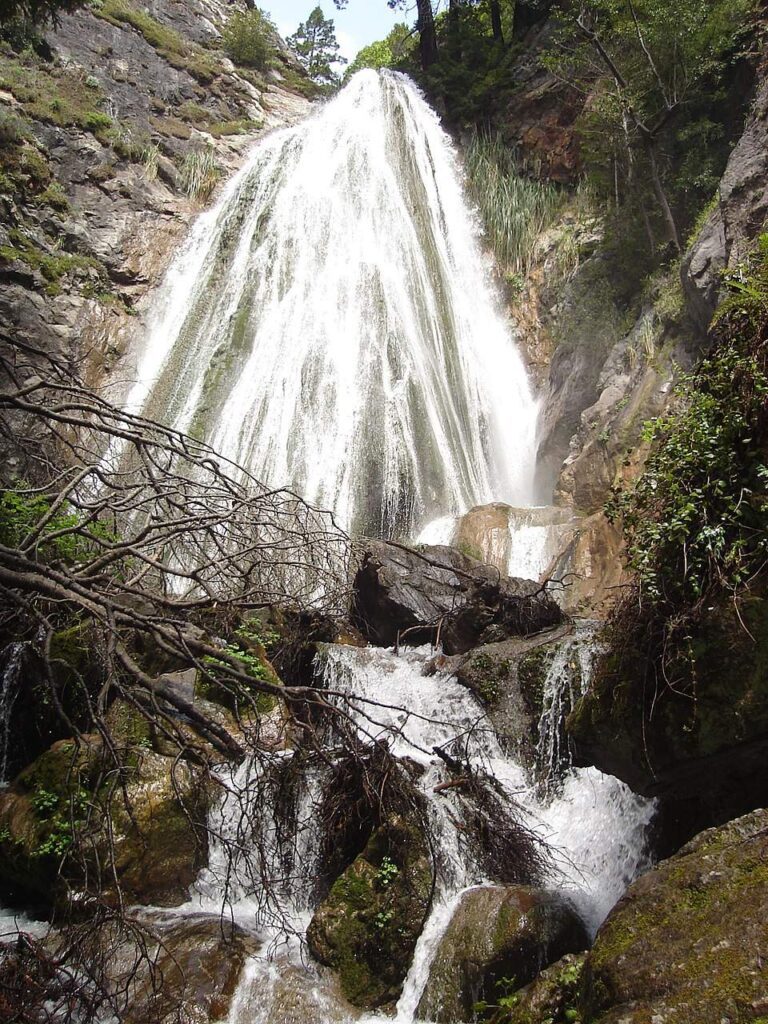
The Santa Cruz Mountains offer a completely different Northern California experience with their cool, damp redwood canyons that provide natural air conditioning even on the hottest summer days. The Fall Creek to Lime Kilns trail combines the majesty of second-growth redwood forest with fascinating historical remnants from California’s industrial past, creating an educational and scenic 3.5-mile adventure.
This trail follows Fall Creek through Henry Cowell Redwoods State Park, where the sound of flowing water accompanies you along much of the route. The historical element comes from the 19th-century lime industry, when crews burned limestone in massive kilns to produce lime for construction projects throughout the Bay Area. The preserved ruins of these stone kilns, along with remnants of the old Barrel Mill site, provide tangible connections to California’s development era.
The trail experience varies seasonally—winter and spring bring the creek to full flow and create lush, green conditions throughout the forest understory, while summer and fall offer more comfortable temperatures for longer walks. The rooty, sometimes muddy terrain calls for shoes with good traction, and the dappled light filtering through the redwood canopy creates constantly changing photographic opportunities.
This hike works particularly well for families interested in combining nature with history, and the moderate 2-hour duration allows time to explore the ruins and enjoy creek-side breaks. Lightweight daypacks and reusable water bottles are ideal for carrying snacks and staying hydrated during the creek crossings and gentle elevation changes.
For complete route details, historical background, and seasonal hiking tips, explore our Fall Creek to Lime Kilns trail guide.
Best Easy Day Hikes in Central California
Central California’s coastal region epitomizes the state’s Mediterranean climate and dramatic Pacific shoreline, with Point Lobos State Reserve standing as perhaps the crown jewel of accessible coastal hiking. This region offers year-round hiking opportunities, though spring and fall provide the most comfortable conditions and the best chances for wildlife viewing.
Sea Lion Point Trail (Point Lobos)
Point Lobos State Reserve deserves its reputation as one of California’s most spectacular coastal destinations, and the Sea Lion Point Trail serves as the perfect introduction to this marine paradise. At just 0.6 miles, this loop trail delivers an outsized experience that includes dramatic ocean bluffs, pristine turquoise coves, and some of the best wildlife viewing opportunities on the California coast.
The trail name accurately describes one of its main attractions—offshore rocks where California sea lions, harbor seals, and occasionally elephant seals can be observed basking in the sun or playing in the surf. The viewing opportunities extend beyond marine mammals to include diverse seabird populations, from brown pelicans and cormorants to the occasional migrating whale visible on the horizon during winter and spring months.
What sets this trail apart is the remarkable variety packed into such a short distance. You’ll walk along windswept bluffs with panoramic ocean views, descend to protected coves with incredibly clear water, and pass through sections of Monterey cypress and pine forest. The preserve’s location at the northern edge of Big Sur means you’re experiencing some of the same dramatic coastal geology that makes that region famous, but with much easier access and shorter walking distances.
The trail requires a $10 per vehicle entrance fee to Point Lobos, and parking can fill up quickly, especially on weekends and during summer months. Arriving early (before 9:30 AM) or later in the afternoon (after 3:00 PM) typically ensures better parking availability and smaller crowds. The coastal location means weather can change quickly, so layers are recommended even on seemingly perfect days.
This trail creates an interesting comparison with Southern California’s La Jolla Beach Walk, which offers similar marine wildlife viewing but in a more urban setting. Binoculars enhance the wildlife viewing experience significantly, making them a worthwhile investment for any coastal hiking adventures.
For comprehensive information on seasonal wildlife patterns, photography tips, and trail logistics, see our Sea Lion Point Trail guide.
Best Easy Day Hikes in Southern California
Southern California hiking presents unique opportunities to experience diverse ecosystems within relatively short drives of major urban areas. From the Mediterranean climate of the Santa Monica Mountains to the otherworldly desert landscapes of Joshua Tree, this region offers year-round hiking with peak conditions typically falling during the cooler months from October through April.
Solstice Canyon Loop (Malibu)
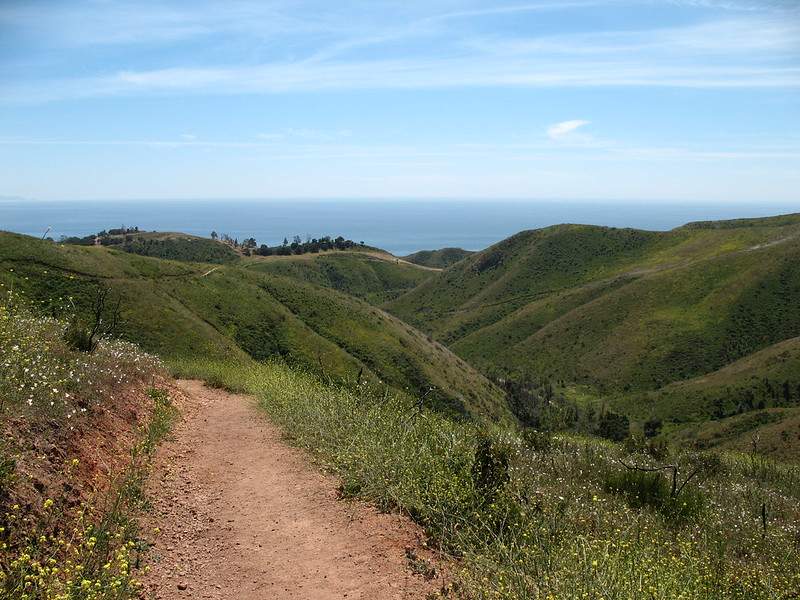
Hidden in the Santa Monica Mountains just off Pacific Coast Highway, Solstice Canyon provides a refreshing escape from Southern California’s typical sun-baked hiking conditions. This 3-mile loop combines the region’s native chaparral and oak woodland with the ruins of a remarkable mid-century modern house, creating an experience that feels both natural and historically intriguing.
The trail follows Solstice Creek upstream through a shaded canyon that stays relatively cool even during hot summer months, thanks to the year-round flowing water and dense tree cover from coast live oaks and sycamores. The creek crossing and pools provide natural stopping points where families can rest and children can explore safely, making this an excellent choice for hiking with kids who might get restless on purely scenic walks.
The historical centerpiece comes from the remains of the Roberts Ranch House, designed by renowned architect Paul Revere Williams and built in the 1950s for the Tropical Terrace restaurant. The house featured a unique tropical garden and architectural details that made it a showplace of mid-century design until its destruction in the 1982 Daisy Fire. Today, the stone foundations, fireplace, and tropical plants provide fascinating glimpses into this vanished world.
A seasonal waterfall adds another dimension to the experience, flowing most reliably from winter through spring when Southern California receives its limited rainfall. The combination of shade, water features, and historical interest makes this trail particularly appealing during the warmer months when desert hikes become uncomfortable.
For those seeking a contrasting desert experience, the Hidden Valley Loop in Joshua Tree offers completely different scenery and ecosystem within a reasonable drive from the Los Angeles area. The Solstice Canyon trail pairs well with other Santa Monica Mountains hikes and represents an excellent introduction to Southern California’s inland hiking opportunities.
Sun protection remains important even on this shaded trail due to Southern California’s intense UV exposure, making hats, sunscreen, and lightweight long-sleeve layers smart choices for any season.
For detailed directions, seasonal waterfall conditions, and historical background, check our Solstice Canyon Loop guide.
Hidden Valley Loop (Joshua Tree)

Joshua Tree National Park represents one of California’s most distinctive and accessible desert environments, and the Hidden Valley Loop serves as the perfect introduction to this alien-seeming landscape. This easy 1-mile loop showcases the park’s signature Joshua Trees, massive granite boulder formations, and surprisingly diverse desert flora while remaining manageable for hikers of all ages and abilities.
The trail winds through what early cattle rustlers allegedly used as a hidden corral for stolen livestock, hence the name. Whether or not those colorful legends hold truth, the circular valley surrounded by towering rock walls certainly creates a sense of seclusion and mystery. Modern rock climbers have discovered these same granite formations, and you’ll likely see climbers working their way up the boulder problems that make Hidden Valley a world-renowned climbing destination.
Desert hiking requires different considerations than coastal or forest trails, with timing becoming crucial for comfort and safety. Fall through spring provides the most pleasant conditions, with daytime temperatures typically ranging from the 60s to 80s Fahrenheit. Summer hiking is possible but should be limited to very early morning or late afternoon hours, as desert temperatures can exceed 100°F and create dangerous conditions for unprepared hikers.
The seemingly barren desert landscape reveals surprising diversity when examined closely. Different species of cacti, including cholla and barrel cacti, create natural gardens among the Joshua Trees. Desert wildflowers put on spectacular displays during good rainfall years, typically peaking in March and April. Wildlife sightings might include roadrunners, various lizard species, desert tortoises, and numerous bird species that have adapted to this harsh environment.
The $30 per vehicle entrance fee for Joshua Tree National Park covers seven days of access, making it worthwhile to explore multiple trails during your visit. The America the Beautiful Annual Pass at $80 becomes cost-effective if you plan to visit three or more national parks within a year.
Essential gear for desert hiking includes significantly more water than you might carry elsewhere—at least one liter per person for this short hike, more during hot weather. Sun protection becomes critical with wide-brim hats, high-SPF sunscreen, and lightweight but covering clothing recommended even during cooler months. The intense desert sun and lack of shade make these precautions necessary rather than optional.
For a complete contrast in ecosystems, consider pairing this desert experience with the shaded creek environment of Fall Creek to Lime Kilns trail in Northern California’s redwood country.
Our Hidden Valley Loop guide provides detailed information on seasonal considerations, wildlife viewing opportunities, and desert hiking safety tips.
La Jolla Beach Trail (San Diego)
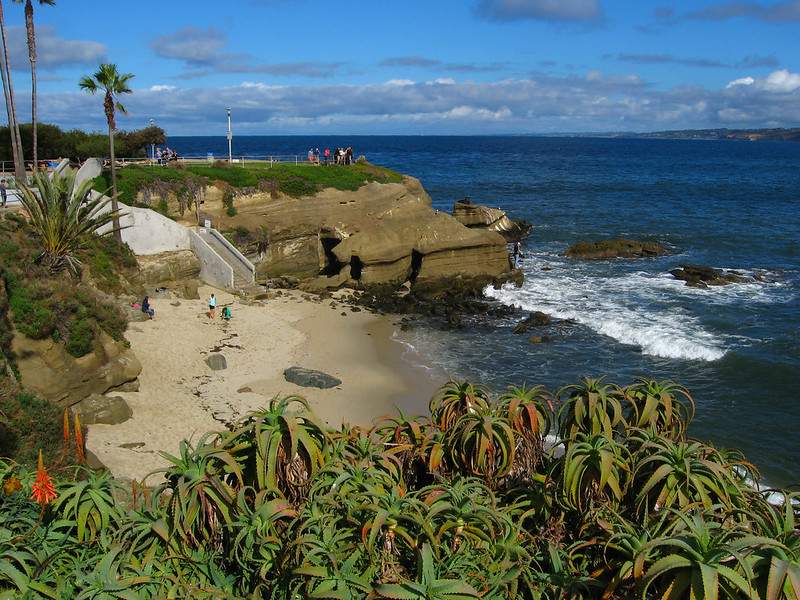
San Diego’s La Jolla area represents Southern California coastal hiking at its most accessible and family-friendly, combining dramatic Pacific Ocean views with some of the best marine wildlife viewing opportunities in the state. This 2-mile coastal walk provides an urban alternative to more remote coastal trails while still delivering authentic California beach experiences.
The trail extends along La Jolla’s sculptured coastline, connecting several world-class beaches and coves while providing elevated views of the Pacific Ocean. The route typically begins near La Jolla Cove and extends south past Children’s Pool Beach toward Shell Beach, though hikers can customize their distance based on time and energy levels. Much of the trail follows paved pathways and established beach access routes, making it suitable for strollers and wheelchairs in many sections.
Wildlife viewing represents a major highlight of this coastal walk, particularly the California sea lions and harbor seals that frequent Children’s Pool Beach and surrounding rocky areas. The protected marine environment also supports diverse seabird populations, and the clear waters often provide glimpses of colorful fish, rays, and occasionally dolphins or whales offshore. During certain seasons, particularly spring and early summer, seal pupping activities create spectacular viewing opportunities, though visitors must maintain respectful distances to avoid disturbing these protected animals.
The urban setting provides conveniences not available on more remote coastal trails, including nearby parking (though often challenging to find and typically requiring payment), restrooms, and food options. However, these same conveniences mean the trail can become quite crowded, especially on weekends and during summer months. Early morning walks typically provide the best combination of comfortable temperatures, better wildlife activity, and smaller crowds.
Tide pooling opportunities exist at several points along the route, particularly during low tide periods when protected rocky areas reveal starfish, sea anemones, crabs, and other intertidal species. These natural tide pool areas require careful navigation and respect for fragile marine ecosystems, making them excellent educational opportunities for families.
For a wilder, less developed coastal experience, compare this urban beach walk with the Sea Lion Point Trail at Point Lobos, which offers similar marine wildlife viewing in a pristine natural setting.
Weather in La Jolla remains remarkably consistent throughout the year, with mild temperatures and ocean breezes creating comfortable hiking conditions even during summer months. However, morning marine layer and afternoon winds can create temperature swings, making layers advisable. Waterproof sandals work well for portions of this trail where beach walking is involved, and polarized sunglasses help reduce ocean glare while improving underwater visibility for wildlife observation.
For complete route options, seasonal wildlife patterns, and tide pool exploration tips, see our La Jolla Beach Trail guide.
Gear Checklist for Easy California Hikes
Having the right gear can transform a good hike into a great one, while missing essential items can turn even easy trails into uncomfortable or potentially unsafe experiences. California’s diverse climate conditions—from foggy coastal mornings to blazing desert afternoons—require thoughtful preparation, but the gear needs for easy day hikes remain refreshingly straightforward.
Essential Footwear and Clothing
Comfortable, sturdy footwear forms the foundation of any successful hike. For California’s easy day trails, lightweight hiking shoes or trail runners typically provide the best combination of comfort, traction, and breathability. Brands like Hoka, Merrell, Altra, and Salomon offer excellent options that work well on everything from paved Yosemite paths to sandy Joshua Tree desert trails. For coastal hikes involving beach sections, waterproof hiking sandals can be ideal, especially on trails like the La Jolla Beach Walk where you might encounter wet rocks or want to explore tide pools.
California’s variable weather conditions make layering essential. Lightweight, moisture-wicking base layers work well under fleece or merino wool mid-layers, with a packable rain jacket providing wind and weather protection. Even on easy trails, temperatures can vary significantly between trailheads and destinations, or change dramatically as weather systems move through.
Hydration and Nutrition
Adequate hydration becomes critical in California’s often dry climate, with desert locations like Joshua Tree requiring particular attention to water consumption. For easy day hikes, plan on carrying at least 1 liter of water per person, increasing to 2-3 liters for desert environments or longer trails. Lightweight reusable water bottles like Nalgene or insulated options from Hydro Flask provide reliable hydration without adding excessive weight to daypacks.
A compact daypack in the 15-25 liter range provides sufficient space for water, extra layers, snacks, and safety items without feeling bulky or uncomfortable. Look for packs with external water bottle pockets for easy access while hiking, and consider hydration pack compatibility if you prefer hands-free drinking systems.
Sun Protection and Safety
California’s intense sunshine requires comprehensive sun protection regardless of season or trail location. Wide-brim hats, high-SPF sunscreen, and UV-protective sunglasses form the basic sun protection kit. Lightweight, long-sleeve shirts with UPF ratings provide excellent protection while remaining comfortable during physical activity.
Navigation and Photography
While getting lost on well-marked easy trails is unlikely, carrying a basic navigation backup provides peace of mind and educational opportunities. Smartphone apps with offline map capability work well, though bringing a portable battery pack ensures your phone remains functional throughout the day. For photography enthusiasts, a lightweight phone tripod or compact camera tripod opens up creative possibilities for waterfall shots, wildlife photography, and group photos.
Optional Comfort Items
Trekking poles, while not essential for easy trails, can provide stability on uneven surfaces and reduce knee impact during descents. Collapsible poles pack efficiently and add minimal weight to your hiking kit. For trails involving wildlife viewing like the Sea Lion Point Trail, compact binoculars significantly enhance the experience by bringing distant animals into clear view.
Tips for Planning Your California Day Hike
Successful hiking in California requires understanding the state’s diverse regional climates and seasonal patterns, along with practical considerations like parking, permits, and trail etiquette that can make the difference between a memorable adventure and a frustrating experience.
Seasonal Timing by Region
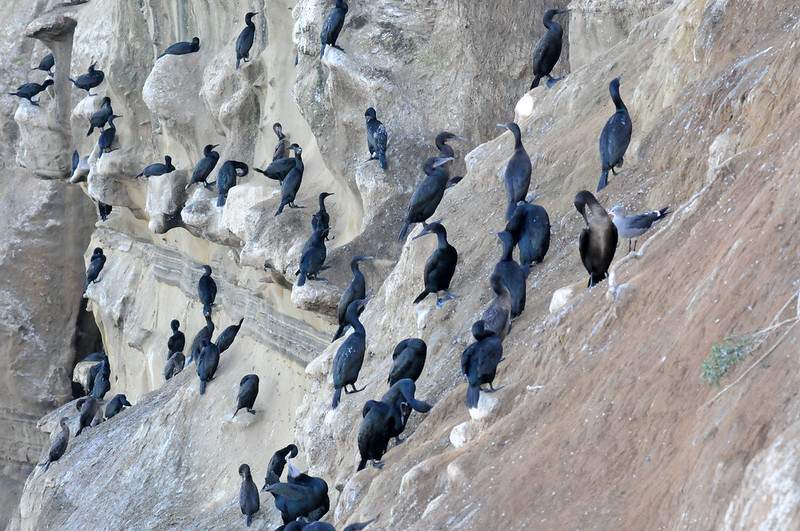
California’s size and topographic diversity create distinct regional seasons that affect hiking conditions and experiences throughout the year. Coastal areas like Point Lobos and La Jolla offer year-round hiking opportunities, with winter actually providing some of the best conditions as temperatures moderate and marine wildlife activity increases. Spring along the coast brings wildflower displays and whale migration viewing opportunities, while summer temperatures remain comfortable due to ocean influences.
Mountain regions like Yosemite experience more pronounced seasonal changes. Spring, particularly April through June, showcases waterfalls at peak flow when snowmelt creates thunderous cascades at locations like Lower Yosemite Fall. However, spring also brings variable weather conditions and potential trail closures at higher elevations. Fall delivers crisp, clear conditions with excellent visibility and fewer crowds, making it ideal for photography and peaceful hiking experiences.
Desert regions like Joshua Tree follow an opposite pattern, with fall through spring providing the most comfortable hiking conditions. Winter desert hiking can be surprisingly delightful, with mild daytime temperatures and minimal precipitation. Spring brings the possibility of spectacular wildflower displays during good rainfall years, while summer conditions become challenging and potentially dangerous during midday hours.
Permits, Fees, and Reservations
Understanding entry requirements prevents unwelcome surprises at trailheads and ensures smooth access to your chosen hiking destinations. Yosemite National Park charges an entrance fee of $35 per vehicle (valid for 7 days), though wilderness permits are not required for day hiking on trails like Lower Yosemite Fall or Mirror Lake Loop. However, during peak visitation periods, Yosemite may require advance reservations for entry, particularly on weekends and holidays.
Point Lobos State Reserve requires a $10 per vehicle day-use fee and limits parking to 150 vehicles, creating the potential for closure during busy periods. Arriving early (before 9:30 AM) or later in the afternoon (after 3:00 PM) typically ensures access, though weekend and holiday visits require extra planning.
Joshua Tree National Park charges $30 per vehicle for a 7-day pass, with the option to purchase an annual park pass for $55 or the America the Beautiful Annual Pass for $80. The annual pass becomes cost-effective for visitors planning to explore multiple national parks within a year.
Trail Etiquette and Safety

California’s popular easy trails often experience heavy use, making trail etiquette important for everyone’s enjoyment and safety. Basic courtesies include yielding to uphill hikers when descending, stepping aside to allow faster hikers to pass safely, and maintaining reasonable noise levels that don’t disturb wildlife or other visitors’ peaceful experiences.
When encountering other trail users, a friendly greeting creates a positive atmosphere and can lead to valuable local information about trail conditions or wildlife sightings. If approaching someone from behind, announce your presence calmly with phrases like “hiker behind you” or “may I pass on your left?”.
Stay on designated trails to protect fragile ecosystems and avoid getting lost. Many of California’s natural areas contain sensitive plant communities that can be damaged by foot traffic, and staying on established paths helps preserve these environments for future visitors. This principle becomes particularly important in desert environments like Joshua Tree, where vegetation recovery from disturbance can take decades.
For stress-free experiences at popular destinations like Yosemite or Point Lobos, consider guided tour options that handle logistics, provide expert interpretation, and often gain access to less crowded areas through professional connections and timing strategies.
Related Hikes You’ll Love
California’s hiking opportunities extend far beyond any single trail system, with complementary experiences that allow you to explore different ecosystems and geographical features throughout your visit. Understanding these connections helps you plan multi-day adventures or return trips that build on your initial hiking experiences.
Coastal Explorations
If the marine wildlife and ocean views of the Sea Lion Point Trail captured your interest, the urban accessibility and family-friendly amenities of the La Jolla Beach Walk provide an excellent comparison in Southern California. Both trails offer exceptional seal and sea lion viewing, but Point Lobos provides a more pristine natural setting while La Jolla offers convenient urban amenities and extended beach experiences.
Forest Adventures
The redwood forest experience of Fall Creek to Lime Kilns can be complemented by exploring additional trails within Henry Cowell Redwoods State Park or venturing north to even more impressive old-growth stands in places like Muir Woods National Monument or Prairie Creek Redwoods State Park. Each location provides different perspectives on California’s iconic coast redwood ecosystems.
Desert Discoveries
Joshua Tree’s Hidden Valley Loop serves as an excellent introduction to high desert hiking, but the park contains numerous other easy trails that showcase different aspects of the Mojave Desert environment. Skull Rock, Ryan Mountain (more challenging), and the Cholla Cactus Garden provide additional desert experiences within the same park visit.
Yosemite Valley Connections
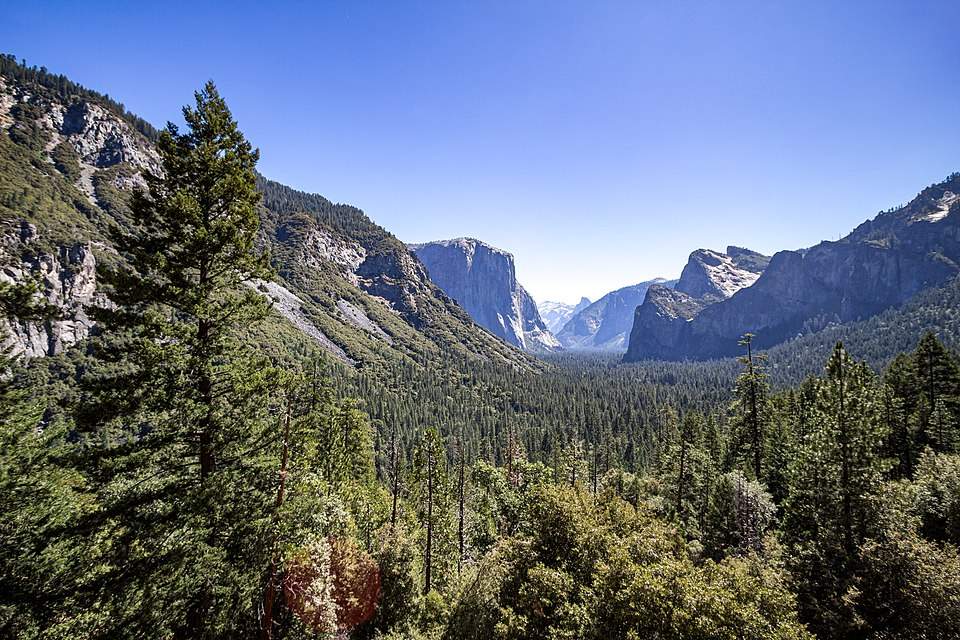
The Yosemite Valley trails—Lower Yosemite Fall, Mirror Lake Loop, and the more challenging Panorama Trail—work well as a progression of experiences within the park. Starting with the shorter waterfall walk builds confidence and familiarity with the area before attempting longer adventures.
Many hikers find that combining different ecosystem experiences during a single California visit creates a more complete appreciation of the state’s natural diversity. A long weekend might include a coastal wildlife walk, a redwood forest exploration, and a desert landscape hike, providing dramatically different but equally memorable experiences.
Final Thoughts on Easy Day Hikes in California
California’s easy day hikes prove that memorable outdoor experiences don’t require extreme physical challenges or technical expertise. From the thundering base of Lower Yosemite Fall to the playful sea lions of Point Lobos, from the ancient silence of redwood groves to the otherworldly landscape of Joshua Tree, these accessible trails provide genuine wilderness experiences that welcome hikers of all backgrounds and abilities.
The diversity represented in these eight featured trails demonstrates California’s unique position as a hiking destination. Few places on Earth offer such variety within reasonable travel distances—coastal bluffs with marine wildlife, desert boulder gardens with Joshua Trees, shaded creek canyons with historical ruins, and granite-walled valleys with iconic waterfalls. This accessibility makes California hiking particularly appealing for visitors with limited time who still want authentic natural experiences.
Planning multiple hikes during your California adventures allows you to experience these different ecosystems and understand how geography, climate, and elevation create such distinct natural communities. The easy nature of these trails means you can often enjoy several different hiking experiences during a single visit, whether you’re exploring different areas of Yosemite Valley or contrasting coastal and desert environments during a Southern California trip.
For waterfall enthusiasts, don’t miss our detailed Lower Yosemite Fall Trail guide that covers seasonal timing, photography tips, and nearby trail connections. Wildlife lovers will find comprehensive information in our Sea Lion Point Trail guide covering marine mammal behavior patterns and optimal viewing strategies. Desert hiking newcomers will appreciate the safety tips and seasonal guidance in our Hidden Valley Loop guide.
Each of these trails rewards preparation with enhanced experiences, so investing in proper gear makes a real difference in comfort and enjoyment. Quality hiking shoes, adequate hydration systems, and appropriate sun protection transform good hikes into great ones while ensuring safety on even these easier trails. The relatively modest gear investment pays dividends across multiple hiking adventures and builds the foundation for more ambitious future explorations.
California’s easy day hikes provide the perfect introduction to the state’s incredible natural heritage while accommodating the realistic time and physical constraints most of us face. Whether you’re a local looking to explore nearby natural areas or a visitor wanting to experience California’s outdoor highlights, these accessible trails deliver authentic wilderness experiences that create lasting memories and inspire future adventures.





Leave a Reply