
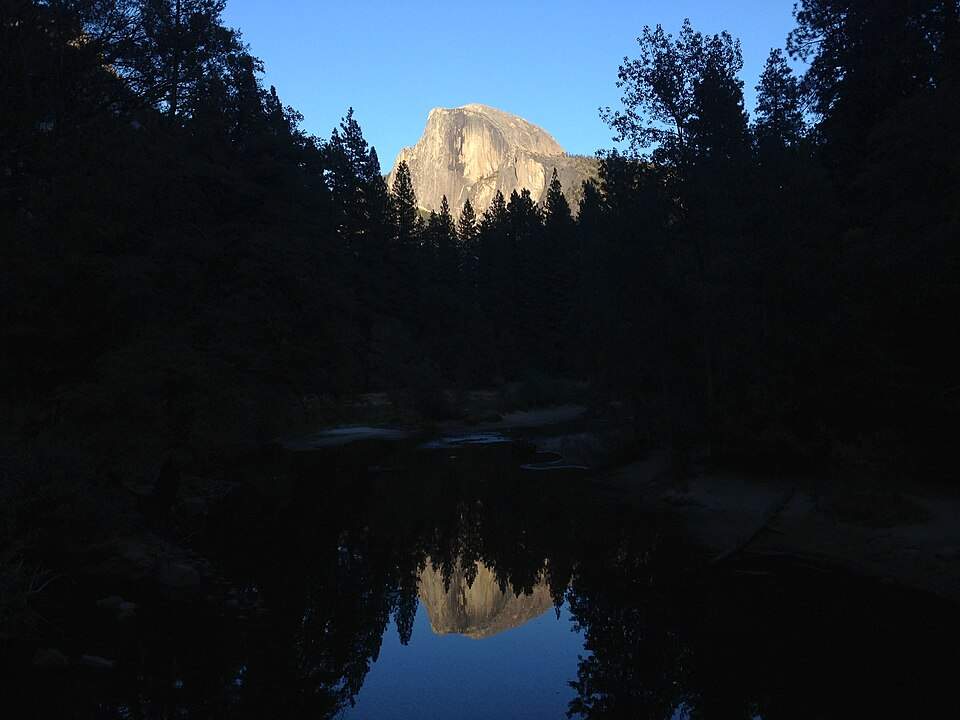
Mirror Lake stands as one of Yosemite’s most photogenic and beginner-friendly hiking destinations, renowned throughout the photography world for its stunning reflections of Half Dome on calm mornings when conditions align perfectly. This seasonal pool in Tenaya Creek creates one of the most accessible opportunities to experience Yosemite’s granite giants from an intimate, ground-level perspective that feels both peaceful and awe-inspiring. What makes this trail particularly special is its remarkable versatility—families with young children can enjoy a gentle 2-mile round-trip walk on paved surfaces, while more ambitious hikers can extend their adventure into a scenic 5-mile loop through the less-crowded eastern reaches of Yosemite Valley.
We featured this trail prominently in our Ultimate Guide to Easy Day Hikes in California, alongside Yosemite’s iconic Lower Yosemite Fall and other must-do beginner trails that showcase the diverse natural beauty California offers from coast to desert to mountain. The Mirror Lake experience perfectly embodies what makes accessible hiking so valuable—it brings you face-to-face with some of North America’s most dramatic granite architecture while accommodating visitors of virtually any age or fitness level.
This trail provides the perfect testing ground for hiking sandals or lightweight trail shoes, hydration packs for longer valley walks, or compact tripods essential for capturing those famous Half Dome reflections that grace countless photography portfolios and social media feeds.
Quick Trail Snapshot
| Feature | Details |
|---|---|
| Location | Yosemite Valley, accessible via Shuttle Stop #17 |
| Distance | 2 miles round trip (to the lake); 5 miles full loop |
| Elevation Gain | ~100 feet |
| Duration | 1–3 hours depending on loop length |
| Difficulty | Easy to Easy-Moderate |
| Best For | Families, casual hikers, photographers |
| Fee | Included in Yosemite entrance pass ($35 per vehicle, 7 days) |
| Season | Spring & early summer best (lake often dries in late summer/fall) |
Why Hike the Mirror Lake Loop?
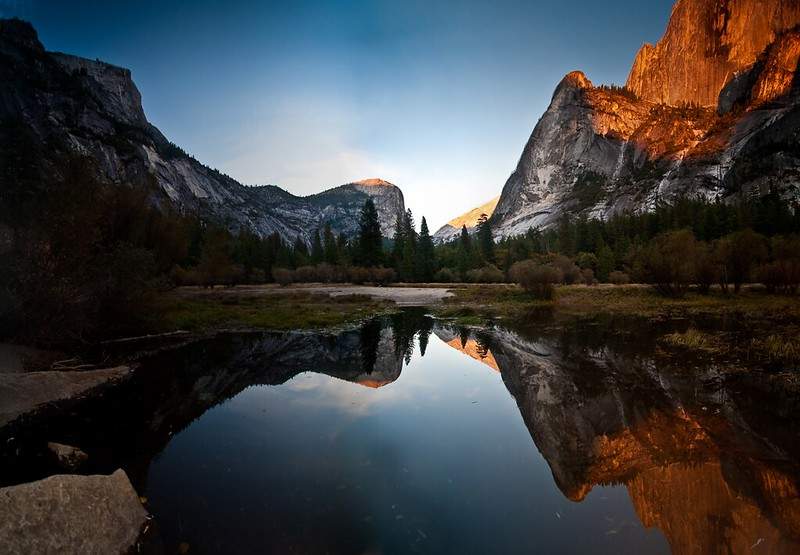
Mirror Lake offers several compelling advantages that distinguish it from other Yosemite Valley trails, beginning with those legendary Half Dome reflections that appear when morning light strikes the granite face while water conditions remain perfectly still. These reflections have attracted photographers from around the world since the 1800s, and modern visitors still experience that same sense of wonder when witnessing Half Dome’s massive vertical wall perfectly mirrored in the dark water.
The trail’s versatility serves families particularly well, offering options that range from an easy 2-mile round-trip walk suitable for strollers and young children, to a more substantial 5-mile loop that ventures into quieter sections of the valley where crowds thin dramatically. The initial mile follows a paved service road that accommodates wheelchairs, strollers, and bicycles, making this one of Yosemite’s most accessible major destinations.
Beyond the famous reflections, the trail provides an intimate encounter with Yosemite Valley’s granite amphitheater from a unique perspective. Standing at Mirror Lake, you’re positioned at the eastern end of the valley looking directly up at Half Dome’s northwest face—a vantage point that reveals the true scale of this iconic formation. Mount Watkins rises dramatically to the north, while Tenaya Canyon cuts deeply into the High Country, creating a natural frame for some of the most spectacular granite scenery in North America.
The scenic diversity along the route includes peaceful meadows, granite-lined creek sections, and constantly changing perspectives of the surrounding cliffs. Wildlife sightings often include deer grazing in the meadows, various bird species, and occasionally black bears, though encounters remain relatively uncommon due to the area’s popularity.
Polarized sunglasses significantly enhance the reflection viewing experience by reducing surface glare, while compact wide-angle lenses help capture the full scope of the granite walls that tower above the seasonal lake.
Trail Overview – What to Expect
Getting There
The most convenient access to Mirror Lake begins at Shuttle Stop #17, served by both Yosemite’s Valleywide Shuttle and East Valley Shuttle routes. These free shuttles operate daily from 7 AM to 10 PM, with buses running approximately every 18-32 minutes depending on the route and season. The shuttle stop includes a covered shelter with benches and provides wheelchair-accessible boarding.
For those preferring to drive, parking options include Curry Village (Half Dome Village) or the dirt parking area near Happy Isles, though both locations require additional walking distance. Parking at Curry Village adds approximately 1.5 miles round trip to your total hike, while the Happy Isles area parking adds about 1 mile. During peak season, these parking areas fill quickly, often by 8-9 AM on weekends.
The Trail Experience
The Mirror Lake Trail begins with a paved service road that extends for the first mile directly to the lake viewpoint. This paved section provides excellent accessibility for wheelchairs, strollers, and bicycles, though bicycles must be left in designated racks before continuing beyond the paved area. The gentle grade and smooth surface make this portion comfortable for visitors of all mobility levels.
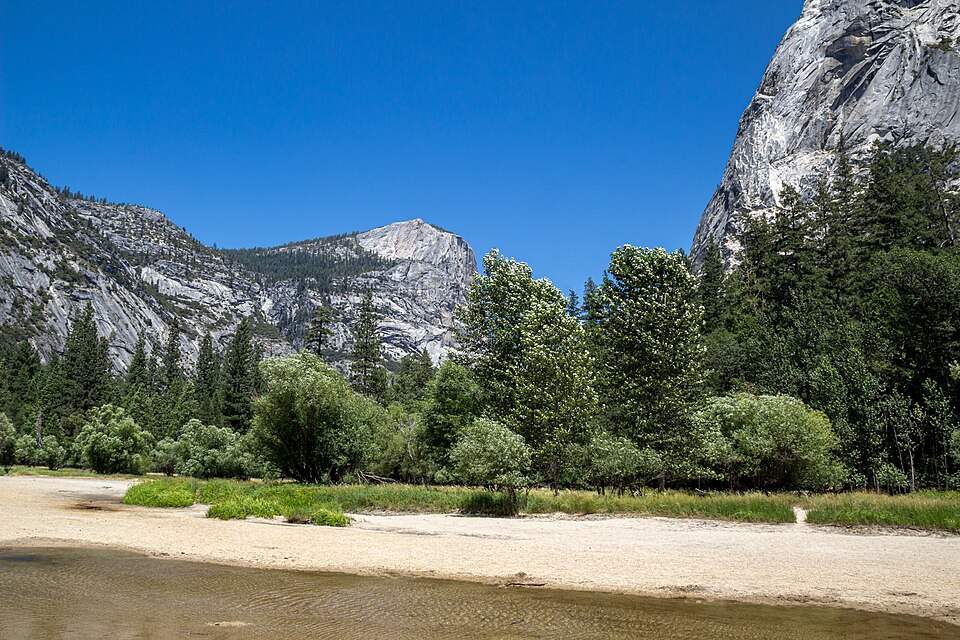
Mirror Lake itself exists as a seasonal phenomenon—it’s technically a wide pool in Tenaya Creek that forms when spring snowmelt creates sufficient water flow to back up behind a natural rock dam. During peak water periods in spring and early summer, the lake creates those famous mirror-like reflections, particularly of Mount Watkins to the north and occasionally Half Dome to the south. As summer progresses and snowmelt diminishes, the lake gradually transforms into “Mirror Meadow,” a sandy area dotted with shallow pools.
The full 5-mile loop extends beyond the lake viewpoint, following Tenaya Creek eastward through increasingly wild terrain. This longer route crosses two bridges after the Snow Creek Trail junction and returns along the south side of Tenaya Canyon, providing solitude and different perspectives on the same granite formations. The loop section involves some sandy and rocky terrain that requires more substantial footwear than the initial paved approach.
Seasonal Highlights
- Spring (April–June): Peak Reflections and Water Levels
Spring visits provide the most dramatic Mirror Lake experience, when snowmelt keeps Tenaya Creek flowing strongly and maintains maximum water levels in the lake. This period offers the best chances for those perfect reflection photographs, particularly during calm morning hours before afternoon winds disturb the water surface. Spring also brings wildflower displays in surrounding meadows and the return of migratory birds to the valley. - Summer: Diminishing Water, Increasing Crowds
Summer conditions often see Mirror Lake shrinking significantly or disappearing entirely, transforming into the sandy Mirror Meadow. Despite reduced water levels, summer visits still provide excellent granite scenery and comfortable hiking conditions. The area becomes popular for picnicking and wade-able pools when water remains, though visitors should exercise caution around any flowing water. - Fall: Golden Colors and Peaceful Atmosphere
Fall brings spectacular foliage colors to the big leaf maples, dogwoods, and willows that line Tenaya Creek, creating different but equally beautiful photographic opportunities. Water levels remain low, but the combination of golden autumn colors against granite walls provides unique seasonal beauty with significantly fewer crowds than spring or summer. - Winter: Snow-Dusted Granite and Solitude
Winter transforms Mirror Lake into a completely different environment, with snow-covered granite walls creating dramatic contrasts and peaceful solitude. The trail remains accessible, though ice may make some sections challenging, particularly along the shadier south side of the loop. Winter visits require appropriate clothing layers for Yosemite Valley’s variable conditions.
Photography Tips at Mirror Lake
Mirror Lake has earned its reputation as one of California’s premier reflection photography destinations, but capturing those perfect shots requires understanding optimal timing, positioning, and techniques that maximize the unique conditions this location provides.
- Early Morning: The Golden Hour for Reflections
The best reflection opportunities occur during the first few hours after sunrise, typically between 6:30-9:00 AM depending on season, when morning light strikes Mount Watkins and parts of Half Dome while water conditions remain perfectly still. Early arrival also means fewer people disturbing the water surface and better positioning for prime viewpoints. - Optimal Viewing Positions
The most dramatic reflections typically occur from viewpoints near the eastern end of the lake, where Mount Watkins creates the strongest mirror effect. Half Dome reflections prove more challenging to capture due to viewing angles, though they occasionally appear in smaller pools or puddles along the trail during optimal conditions. - Equipment and Technique Recommendations
Wide-angle lenses or panoramic smartphone settings help capture the full scope of granite walls reflected in the water, while polarizing filters can either enhance or reduce reflections depending on creative intent. Mini tripods prove essential for stable shots during the low-light conditions that often produce the best reflections, and waterproof camera cases protect equipment during misty mornings or if venturing near the creek edge.
Best Time to Visit

Timing your Mirror Lake visit involves balancing water levels, crowd patterns, and lighting conditions to optimize your specific interests and photography goals.
- Spring Mornings: Peak Reflection Season
Late April through early June typically provides the most reliable combination of adequate water levels and optimal lighting conditions for reflection photography. Arriving before 8:00 AM during this period offers the best chances for calm water surfaces and unobstructed access to prime viewing locations. - Avoiding Peak Crowds
Midday visits during summer months often encounter the heaviest foot traffic and least favorable photography conditions due to harsh lighting and wind-disturbed water surfaces. Weekday visits consistently provide more peaceful experiences than weekends, regardless of season. - Off-Season Considerations
Late summer and fall visits may find little or no water in Mirror Lake, but these seasons offer their own rewards through golden foliage, crisp air, and the unique beauty of Mirror Meadow’s sandy landscape. Winter visits provide solitude and snow-covered granite scenery, though trail conditions require appropriate preparation.
Tips for Hiking the Mirror Lake Loop
Successfully enjoying Mirror Lake requires some practical planning and local knowledge that can significantly enhance your experience while avoiding common frustrations that affect many first-time visitors.
- Choosing Your Distance
The 2-mile round-trip option to the lake viewpoint works well for families with young children, elderly visitors, or anyone wanting a gentle introduction to Yosemite Valley hiking. The full 5-mile loop appeals to hikers seeking more substantial exercise and solitude, though it requires more time and slightly more challenging terrain beyond the paved section. - Trail Etiquette and Environmental Protection
Stay on designated paths to protect the fragile meadow ecosystems that surround Mirror Lake, particularly important during seasons when the area transforms into sensitive wetland habitat. The sandy soils and seasonal vegetation recover slowly from foot traffic damage. - Water and Snack Planning
Limited amenities exist near Mirror Lake itself, making it essential to carry adequate water and snacks for your planned distance. The longer loop particularly benefits from proper hydration planning, as the eastern sections of the trail offer no shade during hot weather.
Lightweight daypacks work perfectly for carrying layers, water, and photography equipment, while collapsible trekking poles can provide helpful stability on the sandier sections of the full loop trail.
Gear Checklist
Mirror Lake’s diverse terrain and seasonal conditions call for thoughtful gear selection that accommodates everything from paved pathways to sandy creek crossings.
- Footwear Options
- Hiking sandals for summer visits with minimal water crossing
- Trail shoes or lightweight hiking boots for the full loop or rocky sections
- Water shoes if planning to wade in remaining pools during low water periods
- Comfort and Protection Items
- Sun hat and high-SPF sunscreen for valley heat and intense granite reflection
- Layered clothing for Yosemite Valley’s significant temperature variations
- Lightweight daypack for carrying water, snacks, and extra layers
- Photography and Documentation
- Camera or smartphone with extra battery power for extended shooting sessions
- Compact tripod essential for reflection photography and group shots
- Lens cleaning cloth for removing dust and moisture
- Waterproof bag for electronics during misty conditions or creek exploration
- Hydration and Nutrition
- Reusable water bottle or hydration system (1-2 liters depending on distance)
- Trail snacks or picnic supplies for longer visits
- Insulated bottle to keep drinks cool during hot valley days
Compare with Other Yosemite Valley Hikes
Mirror Lake Loop complements other Yosemite Valley hiking options while offering distinctly different experiences that can be combined for comprehensive valley exploration.
- Lower Yosemite Fall Trail: Waterfall Drama vs. Granite Reflections
For Yosemite’s most iconic waterfall experience, our Lower Yosemite Fall Trail guide covers the shorter, more dramatic option that delivers thundering cascades and mist-filled viewing areas. While Lower Yosemite Fall provides active water drama, Mirror Lake offers peaceful contemplation and photographic opportunities with different seasonal patterns. - Panorama Trail: Moderate Challenge with Epic Valley Views
Hikers ready to graduate from easy valley walks to more substantial adventures will find detailed information in our Panorama Trail guide, which covers the spectacular descent from Glacier Point past multiple waterfalls. This moderate challenge provides dramatically different perspectives on the same granite amphitheater you’ll experience from Mirror Lake’s valley floor viewpoint.
Beyond Yosemite: Diverse California Ecosystems
California’s hiking diversity extends far beyond Yosemite’s granite walls. For a completely different forest experience, the Fall Creek to Lime Kilns Trail in Santa Cruz offers shaded hiking among redwoods with fascinating historical lime kiln ruins. For coastal contrast, the Sea Lion Point Trail at Point Lobos provides marine wildlife viewing opportunities that showcase California’s spectacular coastline.
Frequently Asked Questions
- How long is the Mirror Lake hike?
The trail offers flexible distance options: 2 miles round trip to the lake viewpoint on paved surfaces, or 5 miles for the complete loop around the lake through Tenaya Canyon. Most visitors choose based on available time, fitness level, and interest in solitude versus convenience. - Can you swim at Mirror Lake?
Yes, swimming is permitted when adequate water exists, though the water remains quite cold throughout the year due to snowmelt origins. Many families enjoy wading in shallow areas during summer months when flow rates are manageable. However, always assess downstream conditions and avoid any areas with swift current, as Tenaya Creek can become dangerous during high flow periods. - When does Mirror Lake usually dry up?
Mirror Lake typically begins shrinking in mid to late summer, often becoming Mirror Meadow (a sandy, mostly dry area) by August or September in average water years. Drought years may see earlier drying, while heavy snow years can extend the lake season into late summer. The transformation occurs gradually rather than suddenly. - Is the trail stroller-friendly?
Yes, the first mile to Mirror Lake viewpoint follows a paved service road that easily accommodates standard strollers and wheelchairs. The surface remains smooth and the grade gentle throughout this section. Beyond the lake, the full loop involves unpaved terrain unsuitable for wheeled devices. - Are dogs allowed on Mirror Lake Trail?
Leashed dogs are permitted on the paved section of the trail (first mile to Mirror Lake), but they cannot continue on unpaved portions of the loop trail. Dogs must remain on leashes no longer than 6 feet at all times and are the owner’s responsibility for cleanup. This makes Mirror Lake one of the more dog-friendly major attractions in Yosemite.
Final Thoughts on Mirror Lake Loop
Mirror Lake Loop represents one of Yosemite’s most rewarding easy hikes, delivering classic granite scenery and those famous Half Dome reflections through an accessible format that welcomes hikers of virtually any ability level. The trail’s seasonal transformations—from spring’s mirror-perfect reflections to summer’s sandy meadow to fall’s golden colors—ensure that return visits provide fresh experiences throughout the year.
What makes this trail particularly valuable is its role as both a destination in itself and a gateway to understanding Yosemite Valley’s unique geography and seasonal rhythms. Standing at Mirror Lake provides an intimate perspective on the granite amphitheater that defines this legendary landscape, while the optional loop extension offers solitude and wilderness experience just minutes from the valley’s developed areas.
This trail exemplifies the accessibility and diversity we featured in our comprehensive Easy Day Hikes in California guide, which covers everything from coastal wildlife walks to desert boulder gardens across the Golden State. For visitors planning multiple Yosemite experiences, pairing Mirror Lake Loop with the Lower Yosemite Fall Trail creates a perfect day that combines peaceful reflection with dramatic waterfall power.
For those seeking completely different California ecosystems, consider the Panorama Trail for a more challenging Yosemite adventure with aerial valley views, or venture to the coast for the Sea Lion Point Trail at Point Lobos where marine wildlife and Pacific Ocean drama provide striking contrast to Yosemite’s granite landscape.
Mirror Lake proves that some of the most memorable outdoor experiences come from simply showing up at the right place with patience and appreciation for natural beauty. Whether you’re capturing that perfect Half Dome reflection, introducing children to the wonders of Yosemite, or seeking peaceful contemplation amid some of North America’s most spectacular granite scenery, this accessible trail delivers experiences that resonate long after you’ve returned home.





Leave a Reply