
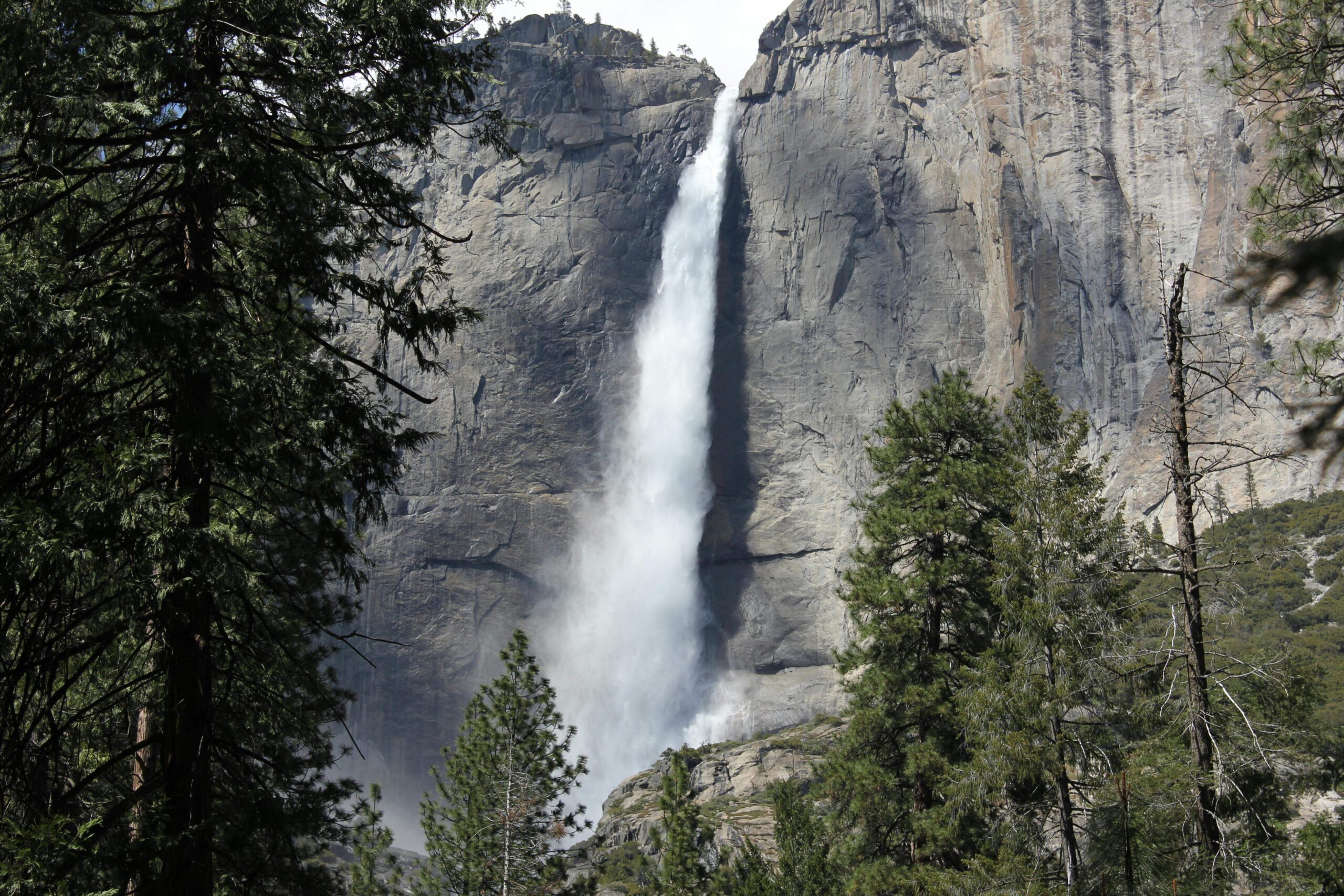
Yosemite National Park’s most visited and most accessible waterfall hike draws millions of visitors each year, and for good reason. The Lower Yosemite Fall Trail offers the rare combination of minimal effort with maximum reward—just 1 mile round trip on mostly flat, stroller-friendly terrain that delivers majestic views of the tallest waterfall in North America. When you consider that the combined Upper and Lower Yosemite Falls drop a total of 2,425 feet from top to bottom, with the lower portion alone plunging 320 feet into a thunderous pool below, you begin to understand why this short walk ranks among the world’s most spectacular easy hikes.
This trail represents everything great about accessible outdoor experiences—it welcomes families with young children, accommodates visitors using wheelchairs or strollers, and provides an unforgettable introduction to Yosemite’s granite wonderland without requiring technical skills or extreme physical fitness. We featured this hike prominently in our Ultimate Guide to Easy Day Hikes in California, where we cover the best beginner trails across the state, from coastal wildlife walks to desert boulder gardens. But this particular trail deserves special attention because it combines iconic scenery with remarkable accessibility in a way that few other major natural attractions can match.
The short distance makes this hike perfect for testing out new walking shoes, lightweight hydration packs, or compact tripods for waterfall photography—gear that will serve you well on future adventures.
Quick Trail Snapshot
| Feature | Details |
|---|---|
| Location | Yosemite Valley, near Yosemite Village |
| Distance | 1 mile loop |
| Elevation Gain | ~50 feet |
| Duration | 30–45 minutes |
| Difficulty | Easy (stroller- & wheelchair-friendly in sections) |
| Best For | Families, first-time Yosemite visitors, photographers |
| Fee | Included in Yosemite entrance pass ($35 per vehicle, 7 days) |
| Season | Year-round, peak flow in spring |
Why Hike the Lower Yosemite Fall Trail?
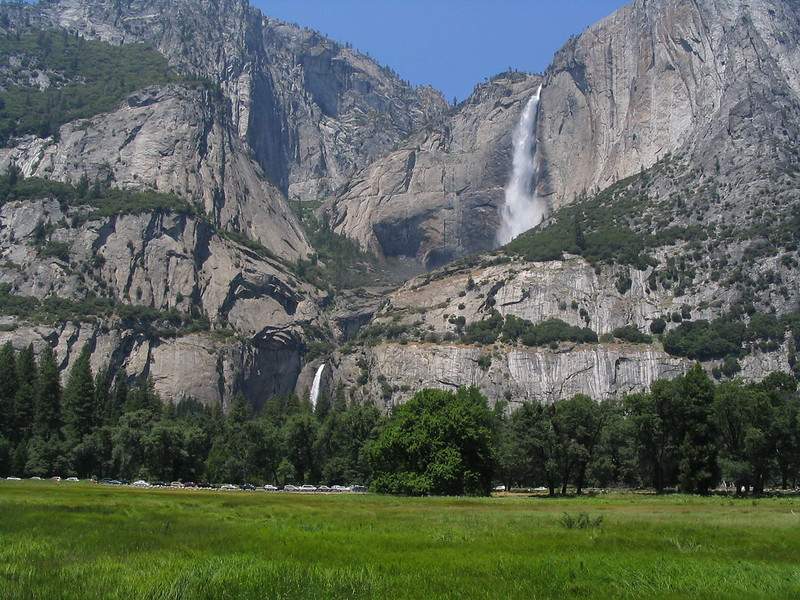
The Lower Yosemite Fall Trail offers several compelling advantages that make it stand out among Yosemite’s hiking options. First and foremost, the accessibility factor cannot be overstated—this is one of the few places on Earth where you can experience a world-class natural wonder via flat, paved sections that accommodate strollers and wheelchairs. The eastern portion of the loop trail meets full wheelchair accessibility standards when not covered by ice or snow.
Beyond accessibility, the trail provides the closest possible access to Lower Yosemite Fall itself, allowing you to stand on a viewing bridge where the thundering water creates its own weather system of mist and spray during peak flow periods. This intimate encounter with one of the world’s tallest waterfalls creates memories that last a lifetime, especially when experienced during the spring months when snowmelt creates maximum drama.
The trail also works perfectly as a warm-up hike before tackling longer Yosemite adventures. Many visitors use this short loop to acclimate to the altitude, test their gear, and get oriented with Yosemite Valley’s layout before attempting more demanding trails. The relatively quick completion time—30 to 45 minutes for most hikers—leaves plenty of energy and daylight for exploring other valley attractions.
For photography enthusiasts, compact binoculars or a camera with zoom capabilities significantly enhance the experience by bringing the upper falls into clear view from the lower trail. The massive scale of Yosemite’s granite walls means that even the “lower” portion of this waterfall system towers far above most hiking trails.
Trail Overview – What to Expect
Starting Point & Access
The Lower Yosemite Fall Trail begins near shuttle stop #6 on Yosemite’s free valley transportation system, which operates daily from 7 AM to 10 PM with buses running approximately every 22-32 minutes. This shuttle stop includes a covered shelter with benches and provides the most convenient access to the trailhead.
If you prefer to drive, parking options include the Yosemite Village area, Curry Village (Half Dome Village), or the Yosemite Falls parking area near Yosemite Valley Lodge. However, parking fills quickly during summer months and peak visitation periods, with many lots reaching capacity by 8-9 AM on weekends. The walk from most parking areas to the trailhead adds approximately 0.5 miles each way to your total distance.
The Trail Experience
The Lower Yosemite Fall Trail forms a complete loop with two distinct approaches to the waterfall viewing area. The western approach offers full views of Yosemite Falls right from the start, making it the preferred direction for first-time visitors seeking immediate impact. This section includes the steepest portion of the trail—though still quite gentle—and leads directly to the dramatic viewing bridge at the base of the lower fall.
The eastern approach follows wheelchair-accessible paved pathways through mixed coniferous forest before reaching the same viewing area from a different angle. This section provides a more gradual approach with interpretive exhibits that explain the natural and cultural history of Yosemite Falls and the surrounding area.
Both approaches converge at the spectacular viewing platform and bridge, where you’ll experience the full power of Lower Yosemite Fall up close. During peak flow periods in spring and early summer, expect to get misted or even soaked by the spray—a refreshing experience that many visitors find exhilarating. Waterproof jackets and phone cases become valuable accessories during these high-flow periods.
Seasonal Highlights
- Spring (April–June): Thunderous Peak Flow
Spring visits during peak snowmelt provide the most dramatic waterfall experience, with Yosemite Falls reaching maximum volume typically in May or June depending on the winter’s snowpack. The sound alone can be deafening, and the mist carries for hundreds of yards from the base. This is when photographers gather to capture rainbows in the waterfall mist, particularly during morning hours when sunlight angles create optimal conditions for this phenomenon. - Summer: Lighter Flow, Bigger Crowds
Summer brings reduced water flow but also the warmest, most stable weather conditions. While the waterfall may diminish to a trickle by August in dry years, the granite walls and surrounding forest maintain their beauty, and the easier conditions make this an ideal time for families with young children. - Fall: Minimal Flow but Peaceful Atmosphere
Fall often sees Yosemite Falls at its lowest flow or even completely dry, but this season offers its own rewards with crisp air, golden light, and significantly fewer crowds than spring or summer visits. - Winter: Icy, Quiet, Snow-Dusted Magic
Winter transforms the trail into a different world, with snow-dusted granite walls and the possibility of seeing the famous ice cone that forms at the base of Upper Yosemite Fall. While some trail sections may be icy and require extra caution, winter visits often provide the most peaceful and contemplative experiences.
Photography Tips
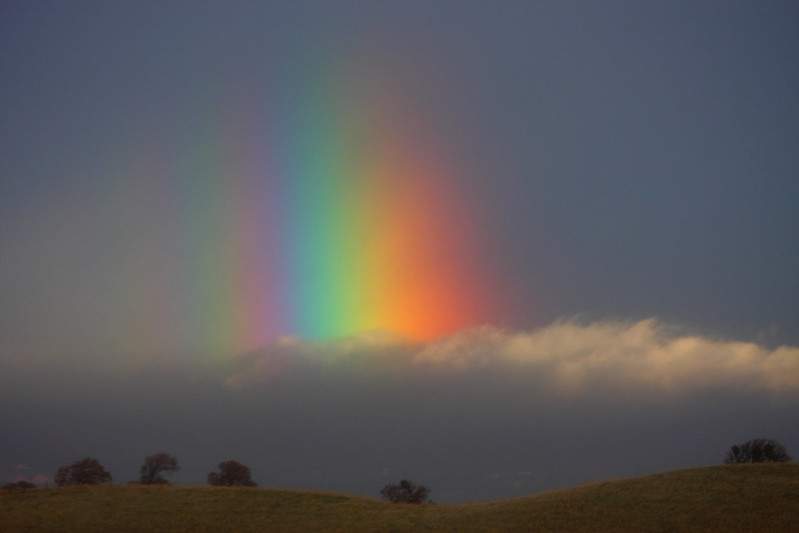
Lower Yosemite Fall Trail offers exceptional photography opportunities throughout the year, with different seasonal conditions creating distinct moods and lighting scenarios. Understanding the optimal times and techniques can elevate your waterfall photography significantly.
- Morning Light and Rainbow Opportunities
Early morning visits, particularly during spring peak flow, offer the best combination of dramatic lighting and the famous Yosemite Falls rainbows. The sun’s angle between approximately 7-9 AM creates ideal conditions for rainbows to appear in the waterfall mist, especially when viewed from the bridge at the base of the lower fall. This phenomenon draws photographers from around the world and has become a signature Yosemite experience. - Best Viewpoints and Angles
The viewing bridge provides the most dramatic and popular photography angle, but don’t overlook other perspectives along the loop trail. The western approach offers wide-angle opportunities that capture the entire height of both upper and lower falls in a single frame, while side paths provide interesting foreground elements with granite boulders and native vegetation. - Protecting Your Gear
The intense mist and spray during peak flow periods can damage electronic equipment, making waterproof protection essential. Keep a small absorbent towel handy for wiping moisture from camera lenses, and consider a waterproof camera cover—a simple shower cap works as an effective budget option. Mini tripods prove invaluable for stabilizing shots in the misty conditions, while wide-angle lenses help capture the massive scale of the granite walls.
Best Time to Visit
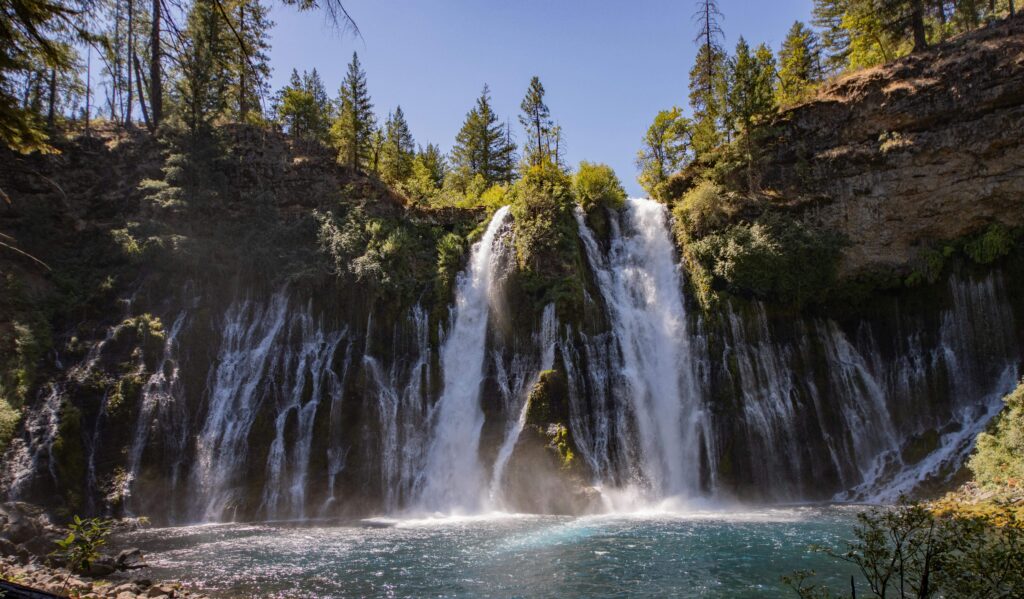
Timing your visit to Lower Yosemite Fall involves balancing several factors: waterfall flow, crowd levels, weather conditions, and personal preferences for the overall experience you’re seeking.
- Spring: Peak Waterfall Power and Rainbow Magic
Spring, particularly late April through early June, provides the most spectacular waterfall displays when snowmelt reaches its peak. This period offers the highest probability of witnessing the famous morning rainbows, though it also coincides with the highest visitor numbers. The combination of dramatic water flow, comfortable temperatures, and extended daylight makes spring the premium time for this trail. - Early Morning: Fewer Crowds and Better Light
Regardless of season, arriving early provides significant advantages. Early morning visits typically offer better parking availability, fewer crowds on the trail, and optimal lighting conditions for photography. Many experienced visitors recommend reaching the trailhead by 7-8 AM during peak seasons to fully enjoy the experience before the midday rush arrives. - Off-Season Serenity
Late fall and winter visits trade waterfall drama for peaceful solitude and unique seasonal beauty. While the falls may be reduced to a trickle or frozen entirely, the snow-covered granite walls and quiet forest create a contemplative atmosphere that many visitors find equally rewarding. These seasons also offer the most reliable parking availability and freedom to explore at your own pace.
Winter conditions require layered clothing to accommodate temperature shifts that are common in Yosemite Valley, where morning frost can give way to warm afternoon sunshine within a few hours.
Tips for Hiking the Lower Yosemite Fall Trail
Successfully navigating the logistics of visiting one of Yosemite’s most popular attractions requires some planning and local knowledge that can significantly improve your experience.
- Arrival and Parking Strategies
The most stress-free approach involves using Yosemite’s free shuttle system, which eliminates parking concerns and drops you directly at the trailhead. However, if you prefer to drive, arriving before 8 AM typically ensures parking availability even during busy periods. The Yosemite Falls parking area near Yosemite Valley Lodge provides the closest vehicle access, though spaces fill quickly. - Trail Etiquette and Safety
Stay on marked paths not just for safety reasons, but also to protect the fragile ecosystems that surround the trail. The rock surfaces around waterfalls remain slippery even when appearing dry, and the current in Yosemite Creek carries enough force to be dangerous. The paved sections of trail easily accommodate the wide range of visitors this attraction draws, from families with strollers to serious photographers with heavy equipment. - Hydration and Comfort
Even on this short trail, bringing water enhances comfort and provides flexibility to extend your visit or explore nearby attractions. Water fountains are available near the restrooms along the western trail, but carrying your own supply ensures you’re prepared for longer stays or spontaneous exploration of other valley floor trails.
Comfortable walking shoes or supportive sandals work well for the paved surfaces, though shoes with good traction become important if you venture onto any unpaved side paths or visit during winter conditions when ice may be present.
Gear Checklist
The Lower Yosemite Fall Trail’s accessibility means you don’t need extensive hiking gear, but having the right items can significantly enhance your experience and comfort.
- Footwear and Clothing
- Comfortable walking shoes or supportive sandals for paved surfaces
- Lightweight, waterproof jacket for spring mist conditions
- Layered clothing to accommodate Yosemite Valley’s temperature variations
- Sun hat and sunglasses for protection against intense mountain sunshine
- Photography and Documentation
- Camera or smartphone with extra battery power
- Compact tripod or phone mount for stable shots
- Waterproof bag or case for electronics during misty conditions
- Lens-cleaning cloth for removing water droplets
- Comfort and Safety Items
- Lightweight daypack for carrying layers and accessories
- Reusable water bottle (refill stations available in Yosemite Village)
- Sunscreen with high SPF rating—mountain sun reflects intensely off granite
- Basic first-aid supplies for minor scrapes or blisters
The short distance and easy terrain mean you can travel light while still being prepared for changing conditions.
Compare with Other Yosemite Valley Hikes
Lower Yosemite Fall Trail serves as an excellent introduction to Yosemite Valley’s hiking opportunities, but several other easy trails in the area offer different perspectives and experiences that complement this waterfall walk.
- Mirror Lake Loop: Scenic Half Dome Reflections
For another easy, mostly flat trail with completely different scenery, the Mirror Lake Loop provides stunning reflections of Half Dome when water levels cooperate. This 2-5 mile option (depending on how much of the loop you complete) offers more distance for hikers wanting extended time on the trail while maintaining the same easy difficulty level. The seasonal lake creates different experiences throughout the year, from perfect mirror reflections in spring to sandy meadow walks in late summer. - Panorama Trail: Moderate Challenge with Epic Views
For those wanting to graduate from easy valley walks to more challenging adventures, the Panorama Trail offers a moderate challenge with unparalleled waterfall and valley views. This trail provides the opportunity to see Yosemite’s waterfalls from above rather than below, creating dramatically different perspectives on the same granite amphitheater.
Beyond Yosemite: Diverse California Experiences
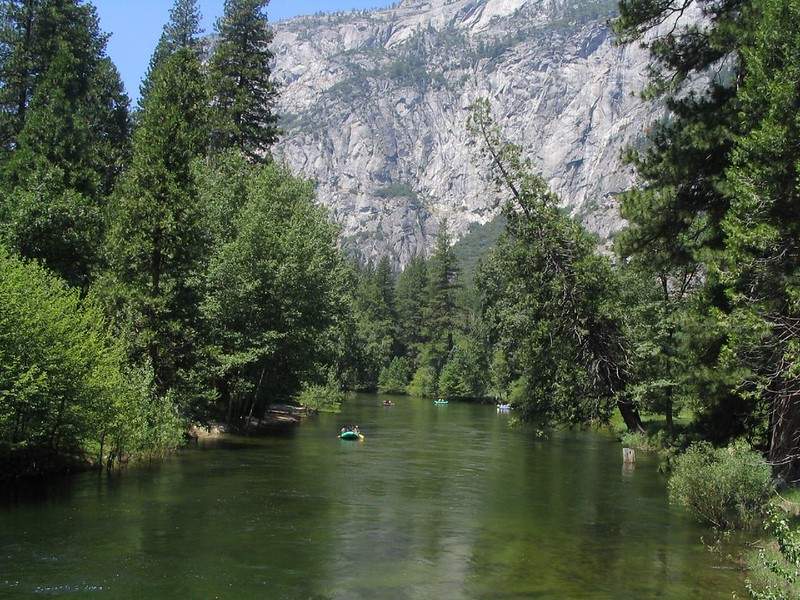
If you’re exploring California’s hiking opportunities more broadly, consider contrasting Yosemite’s granite-and-waterfall environment with completely different ecosystems. For redwood forests with historical elements, the Fall Creek to Lime Kilns Trail in Santa Cruz offers shaded hiking among ancient trees and 19th-century industrial ruins. For coastal wildlife experiences, the Sea Lion Point Trail at Point Lobos provides marine mammal viewing opportunities that showcase California’s diverse natural heritage.
Frequently Asked Questions
- Is the trail stroller and wheelchair friendly?
Yes, the eastern portion of the Lower Yosemite Fall Trail meets full wheelchair accessibility standards and accommodates strollers easily. The paved surface and gentle grade make this one of the most accessible major waterfall experiences in any national park. However, some sections may become challenging during winter when ice is present. - How long does the hike typically take?
Most visitors complete the 1-mile loop in 30-45 minutes, though many people spend additional time at the viewing bridge taking photos and enjoying the waterfall. Allow extra time during peak flow periods when the mist and spray create particularly engaging conditions. - When does the waterfall flow at its best?
Peak waterfall flow typically occurs in May and June when snowmelt reaches maximum volume, though this timing varies based on winter snowpack and spring weather patterns. Spring visitors can expect thunderous water flow and spectacular mist effects, while summer and fall visitors will find gentler conditions but may encounter reduced flow or even dry conditions in drought years. - Can you swim in the pools at the base?
No, swimming is prohibited and dangerous due to strong currents, slippery rocks, and cold water temperatures. The pools at the base of Lower Yosemite Fall are surrounded by hazardous jumbles of wet granite that become extremely treacherous. Visitors should appreciate the waterfall from designated viewing areas for both safety and preservation reasons. - Are dogs allowed on the trail?
Yes, leashed dogs are permitted on the paved sections of the Lower Yosemite Fall Trail, making this one of the few dog-friendly waterfall experiences in Yosemite National Park. Dogs must remain on leash at all times and are restricted to paved surfaces only—they cannot access unpaved side trails or wilderness areas.
Final Thoughts on Lower Yosemite Fall Trail
The Lower Yosemite Fall Trail represents everything that makes accessible outdoor experiences valuable—it removes barriers while preserving the authentic wonder of wilderness encounters. This short, easy walk delivers one of North America’s most spectacular waterfall experiences to visitors regardless of age, mobility, or hiking experience.
The combination of minimal physical demands with maximum visual impact creates an ideal introduction to Yosemite’s granite wonderland. Standing at the base of a 320-foot waterfall that’s part of a 2,425-foot cascade system provides perspective on the massive scale of Sierra Nevada geology while remaining completely accessible to casual visitors. This accessibility, combined with the trail’s year-round availability and proximity to Yosemite Village amenities, makes it a cornerstone experience for any Yosemite visit.
See our comprehensive Easy Day Hikes in California guide for more beginner-friendly trails across the state, from coastal wildlife walks to desert boulder gardens and shaded redwood canyons. If you’re planning additional time in Yosemite Valley, the Mirror Lake Loop offers another easy walk with stunning Half Dome reflections and different perspectives on the valley’s granite architecture.
For those wanting to explore California’s diverse hiking opportunities beyond Yosemite, consider the Fall Creek to Lime Kilns Trail for a completely different experience in Santa Cruz’s redwood forests, where historical lime kiln ruins add cultural interest to natural beauty. If coastal experiences appeal to you, the Sea Lion Point Trail provides world-class marine wildlife viewing in one of California’s most pristine coastal reserves.
The Lower Yosemite Fall Trail proves that some of the world’s most memorable outdoor experiences don’t require extreme physical challenges or technical expertise—sometimes the most profound natural encounters come from simply showing up at the right place with an open mind and comfortable walking shoes.





Leave a Reply