
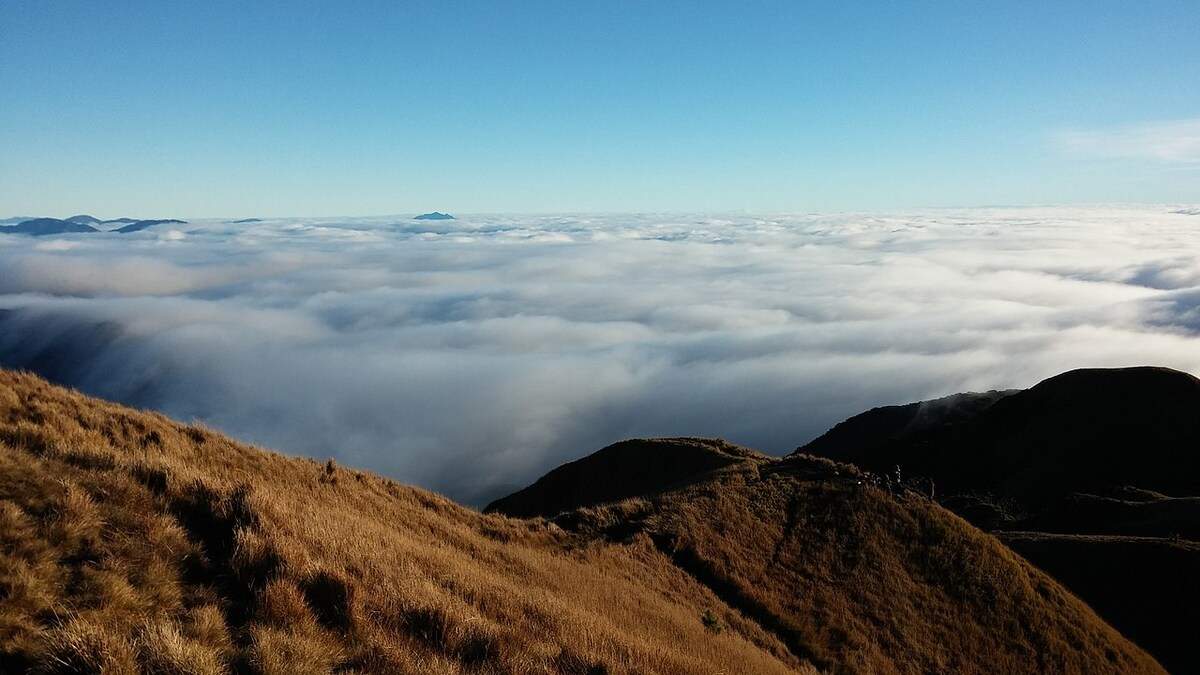
Standing at 2,926 meters above sea level, Mount Pulag claims the title of Luzon’s highest peak and ranks as the third highest mountain in the entire Philippines. But what makes this mountain truly legendary isn’t just its impressive elevation—it’s the ethereal “sea of clouds” phenomenon that transforms the summit into what locals call the “Playground of the Gods,” where you literally stand above a white ocean of mist as the sun rises over the Cordillera mountains.
The Ambangeg Trail, often called the “Tourist Trail” or even the “Artista Trail,” provides the most beginner-friendly route to experience this natural wonder. Don’t let those nicknames fool you into thinking it’s not a legitimate mountain experience—at nearly 3,000 meters elevation, this is serious high-altitude hiking that demands respect and proper preparation. What the Ambangeg Trail offers is accessibility without compromising the authentic challenge and rewards of high-mountain climbing.
Unlike the more technical Akiki (“Killer Trail”) or Tawangan routes, the Ambangeg Trail features well-marked paths, gradual ascents, and established camping areas that make it perfect for beginners ready to step up from lower-elevation day hikes. You’ll journey through distinct climate zones—from mossy forests draped in mist to the iconic dwarf bamboo grasslands that crown the summit—experiencing an ecosystem diversity that’s rare anywhere in Southeast Asia.
Mount Pulag is one of the highlights in our full guide to Top Day-Hiking Trails in the Philippines for Beginners, representing the natural progression from accessible day hikes to genuine high-altitude mountaineering. It’s where many Filipino hikers catch their first taste of serious mountain addiction.
Why Choose Mount Pulag’s Ambangeg Trail?
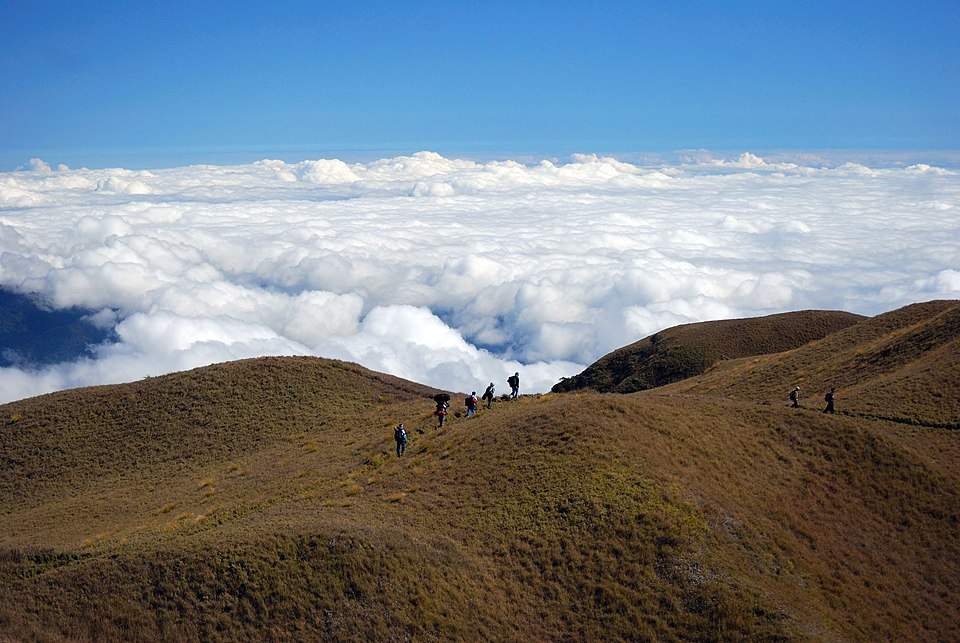
The “sea of clouds” phenomenon is honestly the main draw that brings thousands of hikers to Mount Pulag each year. This isn’t just morning mist—it’s a legitimate meteorological event where temperature inversions create a solid blanket of clouds that stretches to the horizon, with only mountain peaks breaking through like islands. Standing on Pulag’s summit at sunrise, watching the clouds slowly part to reveal the Cordillera landscape below, ranks among the most spectacular natural experiences in the Philippines.
Beginner-friendly doesn’t mean easy, but the Ambangeg Trail provides the most manageable route to experience high-altitude hiking. Compared to the technical challenges of the Akiki or Tawangan trails, Ambangeg offers clearer paths, established rest points, and a more gradual ascent that allows proper acclimatization. The trail covers approximately 8 kilometers one way and typically takes 4-6 hours depending on pace and weather conditions.
Accessibility from Baguio and Manila makes Mount Pulag surprisingly reachable for a mountain of its stature. The journey involves a bus ride to Baguio followed by local transport to the Kabayan area, where the trail begins. Many organized tours handle all logistics, including permits, transport, and accommodation, making it possible to experience the Philippines’ third-highest peak without extensive planning.
The UNESCO-listed Mount Pulag National Park protects unique flora and fauna found nowhere else in the Philippines. The famous dwarf bamboo that creates the grassland summit environment is endemic to these high elevations, while the mountain hosts over 500 plant species, many of them found only in the Philippines. It’s a genuine wilderness experience that combines natural beauty with ecological significance.
Guided Pulag tours with transport packages from Manila or Baguio eliminate the complexity of permits, logistics, and mountain safety, allowing you to focus entirely on the hiking experience and natural wonders.
If you’re after a shorter ridgeline climb to build skills before attempting Pulag, check out Mount Batulao in Batangas, which offers excellent training terrain and views without the altitude challenges.
Mount Pulag at a Glance: Essential Facts
| Detail | Information |
|---|---|
| Location | Kabayan, Benguet (borders Ifugao and Nueva Vizcaya) |
| Elevation | 2,926 meters (9,587 feet) – highest in Luzon |
| Trail | Ambangeg (Tourist Trail) |
| Difficulty | 3/9 (beginner-friendly but high altitude) |
| Duration | 4-6 hours to summit |
| Distance | ~8 kilometers one way |
| Park Fees | ₱250 weekdays, ₱350 weekends (Filipinos) |
| Environmental Fee | ₱300 per person |
| Permits | Required – book via DENR (500 daily limit) |
| Best Season | November to March (dry season) |
The permit system is strictly enforced, with a daily limit of 500 visitors to protect the fragile high-altitude ecosystem. Reservations must be made in advance through the DENR Mount Pulag Office, especially during peak season when slots fill up months ahead. The process includes mandatory orientation sessions covering Leave No Trace principles and mountain safety.
Weather conditions can be extreme, with temperatures potentially dropping to near freezing, especially during December through February. Average temperatures range from 10-15°C, but summit conditions during pre-dawn hours can reach as low as -5°C. This isn’t typical tropical hiking—proper cold weather gear becomes essential for safety and comfort.
Altitude considerations make this a different experience from lower-elevation Philippine hikes. At nearly 3,000 meters, some hikers may experience mild altitude symptoms, making gradual ascent and proper acclimatization important. The thin air and cold temperatures demand different preparation than sea-level hiking.
Local tour operators handle permits, transport, and camping gear arrangements, often providing better value than DIY approaches when all costs and logistics are considered.
Getting to Mount Pulag: Transportation and Access
From Manila
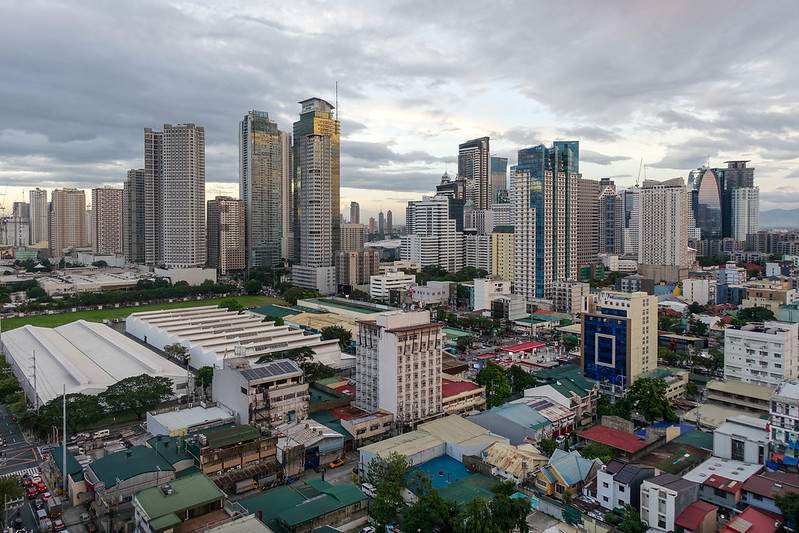
By public transport, the journey begins with a 5-6 hour bus ride to Baguio City using Victory Liner or similar operators. Buses depart regularly from Manila terminals, with fares around ₱500-800 depending on the service level. From Baguio, you’ll need to arrange transport to Kabayan and the Babadak Ranger Station, typically via jeepney or hired van.
Packaged tours from Manila often represent the best value when you factor in transport, permits, meals, guides, and accommodation. Tour operators like Greg Galicia offer complete Ambangeg packages starting around ₱4,200, including all necessary logistics and mountain services. These packages eliminate the complexity of coordinating multiple transport connections and permit bookings.
From Baguio City
Local transport options include jeepneys from the Slaughterhouse Terminal bound for Kabayan, though schedules can be limited and weather-dependent. The journey takes approximately 2-3 hours through winding mountain roads that showcase the spectacular Cordillera landscape. Private van rentals provide more flexibility and reliability, especially important given the early departure times required for summit attempts.
Tour group arrangements from Baguio typically include pickup from your hotel and all necessary transport to the trailhead. This eliminates the uncertainty of public transport schedules and ensures you reach the mountain prepared for your hiking schedule.
The Babadak (Babalak) Ranger Station serves as the official start point for the Ambangeg Trail, located near SMR Homestay and other accommodation options. This is where all hikers must complete final registration and orientation before beginning their ascent.
If you’re Cebu-bound instead, try the quick summit of Osmena Peak for a completely different but equally rewarding mountain experience that requires minimal logistics.
Trail Description: The Ambangeg Experience
Start Point – Babadak Ranger Station
Every Mount Pulag adventure begins at the Babadak Ranger Station, where all hikers must complete registration, pay fees, and attend a mandatory 30-minute orientation session. This briefing covers Leave No Trace principles, weather conditions, emergency procedures, and the ecological significance of the areas you’ll be hiking through. The orientation isn’t just bureaucracy—it provides essential safety information for high-altitude hiking.
Final preparations happen at the ranger station, including gear checks, weather updates, and group organization if you’re part of a larger hiking party. This is your last chance to adjust clothing layers, organize your pack, and ensure you have everything needed for the challenging ascent ahead.
Mossy Forest Section
The initial section of the Ambangeg Trail leads through enchanting moss-covered trees that create an otherworldly atmosphere, especially during misty conditions. This mossy forest zone represents one of Mount Pulag’s unique ecosystems, where different altitude and climate conditions support vegetation found nowhere else in the Philippines.
The cool climate becomes immediately apparent as you leave the ranger station, with temperatures noticeably lower than the valley below. The gentle incline of this section allows for gradual acclimatization to both the altitude and the physical demands ahead. Well-maintained trails through this zone make navigation straightforward, though conditions can become muddy after rain.
Grassland and Dwarf Bamboo Zone
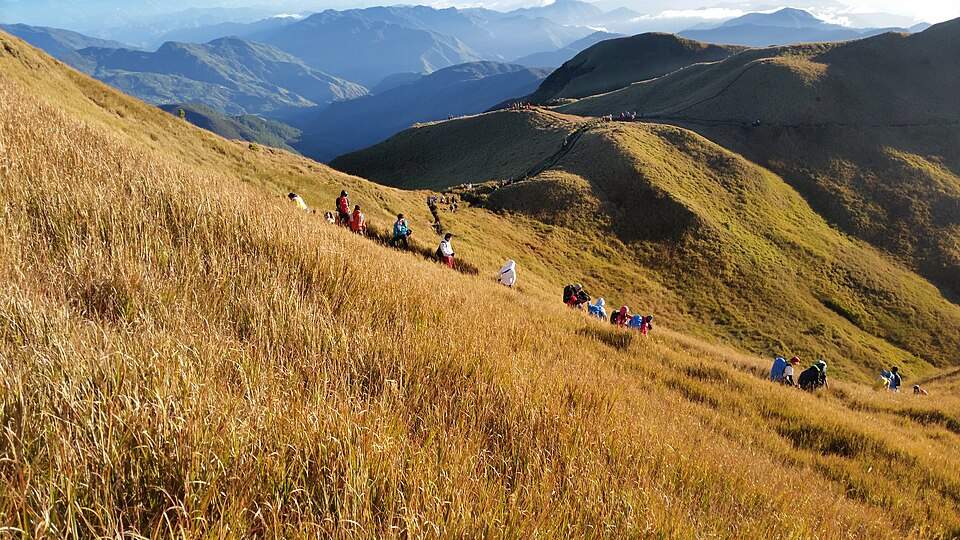
As elevation increases, the trail emerges from forested areas into the open landscapes and rolling hills that make Mount Pulag famous. The signature dwarf bamboo that covers these high-elevation areas is endemic to Mount Pulag, creating a unique golden grassland environment unlike anywhere else in Southeast Asia.
This section offers perfect stargazing opportunities for hikers camping overnight, with minimal light pollution revealing the Milky Way in incredible detail. The open terrain and high altitude create ideal conditions for astronomy enthusiasts, making overnight trips particularly rewarding beyond just the sunrise experience.
The Summit
The 360-degree views from Mount Pulag’s summit encompass the entire Cordillera mountain range, stretching to horizons that seem impossibly distant. On clear days, you can identify dozens of peaks, valleys, and distant provinces spread out below—a perspective that emphasizes just how high you’ve climbed.
The famous sunrise and sea of clouds experience typically occurs in the pre-dawn hours, requiring hikers to begin their final ascent around 3-4 AM. The combination of sunrise colors painting the cloud formations below creates photographic opportunities that explain why Mount Pulag draws photographers from around the world.
Safety considerations at the summit include awareness of potentially strong winds, rapidly changing weather conditions, and the effects of high altitude on some individuals. The exposed location means weather protection becomes essential, particularly during early morning hours when temperatures are at their lowest.
Essential cold weather gear including trekking poles, layered clothing, headlamps, and gloves becomes crucial for summit safety and comfort—proper equipment can make the difference between an unforgettable experience and a dangerous situation.
Activities in Mount Pulag National Park
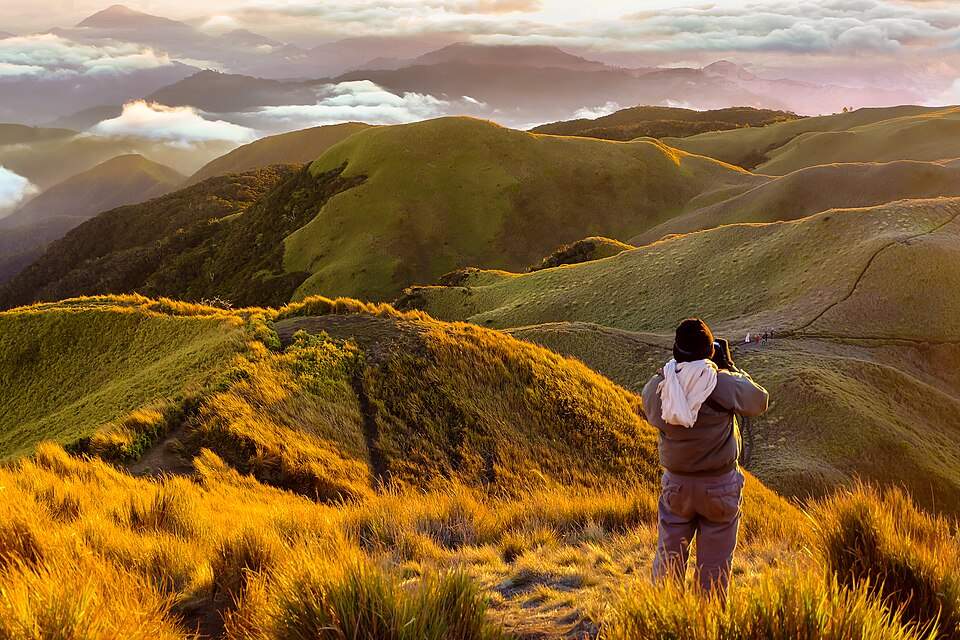
Stargazing at designated camping areas provides some of the best astronomical viewing in the Philippines, with the high altitude and minimal light pollution revealing celestial details impossible to see at sea level. The Milky Way appears with stunning clarity on clear nights, making overnight camping trips particularly rewarding for astronomy enthusiasts.
Photography opportunities extend far beyond the famous sunrise shots, with the diverse ecosystems, unique flora, and dramatic landscapes providing subjects for every skill level. The transition from mossy forests to grassland summit areas offers multiple photographic themes within a single hike, from intimate nature details to sweeping landscape panoramas.
Cultural immersion with local Ibaloi and Kalanguya communities adds depth to the Mount Pulag experience beyond just hiking and scenery. These indigenous groups have spiritual connections to the mountain that span generations, considering it sacred and calling it the “Playground of the Gods”. Interactions with local guides and community members provide insights into traditional relationships with high mountain environments.
Ecological education happens naturally as you experience Mount Pulag’s unique ecosystems, from the diverse bird species (including several endemic and endangered species) to the plant communities adapted to high-altitude conditions. The mountain serves as a living laboratory for understanding how elevation affects biodiversity in tropical environments.
Sunrise viewing from various viewpoints along the trail offers different perspectives on the sea of clouds phenomenon, allowing photographers and nature enthusiasts to experience the changing conditions from multiple vantage points.
If you want another magical sea of clouds hike at a more accessible elevation, check Mount Maynoba in Rizal, which offers similar atmospheric phenomena without the altitude challenges.
Essential Packing for High-Altitude Hiking
Cold weather gear becomes absolutely critical for Mount Pulag, where temperatures can drop to near freezing even during daylight hours. Thermal layers form the foundation of your clothing system—base layers that wick moisture away from skin, insulating middle layers like fleece or down, and waterproof outer shells to protect against wind and rain. A quality jacket with insulation, gloves to protect your hands, and a beanie to prevent heat loss through your head are non-negotiable essentials.
Sleeping equipment for overnight trips must account for potentially sub-freezing conditions. A sleeping bag rated for at least -5°C provides essential protection, while a sleeping pad insulates you from the cold ground. Even during day hikes, emergency shelter capability is recommended given the unpredictable high-altitude weather.
Your backpack should be in the 30-40 liter range to accommodate the additional gear required for high-altitude and potentially multi-day hiking. Look for features like internal organization, external attachment points for trekking poles, and weather protection for your gear.
Trekking poles provide crucial stability on steep terrain and help reduce impact on knees during long descents. At high altitude where balance can be affected and terrain is often rocky or muddy, poles become safety equipment rather than just convenience items.
Lighting equipment must be reliable for pre-dawn summit attempts, with a quality headlamp plus backup batteries or backup light source. The early morning departure for sunrise viewing means hiking in complete darkness for several hours.
Hydration and nutrition requirements increase at altitude, where your body works harder and dehydration happens more quickly. Plan for at least 3 liters of water capacity per person, plus electrolyte supplements to replace minerals lost through increased respiration and sweating.
See our complete Mount Pulag gear checklist with beginner-friendly recommendations to ensure you have everything necessary for a safe and comfortable high-altitude adventure.
Best Times to Visit Mount Pulag
Dry season from November to May provides the most reliable weather conditions and the best chances for clear summit views and sea of clouds experiences. During this period, the combination of stable high pressure systems and minimal rainfall creates ideal conditions for the temperature inversions that produce the famous cloud formations.
December through February represents the coldest period, with temperatures potentially dropping to -5°C at the summit. While these months offer the most dramatic temperature contrasts that enhance sea of clouds formation, they also demand the most serious cold weather preparation. Many consider February optimal, offering cold conditions for cloud formation with slightly more stable weather than the depth of winter.
March provides a compromise between clear weather and sea of clouds potential, though the warming temperatures may result in thinner cloud formations. For hikers prioritizing summit views over cloud phenomena, March often delivers excellent visibility with more comfortable hiking conditions.
Rainy season from June to October should generally be avoided due to increased risk of storms, muddy trail conditions, and poor visibility. The combination of tropical weather systems and high-altitude conditions can create dangerous situations including hypothermia, even during what would be warm months at sea level.
2024 proved exceptional for clear conditions, with many hikers reporting unusually good visibility and reliable weather patterns throughout the peak season. However, mountain weather remains inherently unpredictable, making flexible planning and proper gear preparation essential regardless of seasonal expectations.
Weekend and holiday periods see significantly higher crowds, with the 500-person daily limit often reached far in advance. Weekday visits provide more solitude and better photography opportunities, though they require advance planning to secure permits and arrange transport.
For a more tropical alternative that doesn’t require cold weather gear, try Mount Daraitan with Tinipak River, which offers mountain views plus refreshing swimming opportunities.
Accommodation Options for Your Mount Pulag Adventure
Homestays in Kabayan provide the most convenient access to Mount Pulag, with properties like SMR Homestay located just minutes from the Babadak Ranger Station trailhead. These family-run accommodations offer authentic local experiences, shared facilities, and the advantage of minimal travel time on summit attempt days. SMR Homestay, in particular, has earned excellent reviews for its proximity to the trail and genuine Filipino hospitality.
Camping along the Ambangeg Trail at designated sites like Camp 1 and Camp 2 creates the most immersive mountain experience, allowing you to witness sunset, stargazing, and sunrise from high-altitude locations. Established camping areas provide basic facilities including pit toilets and water sources, though you’ll need to bring all camping gear suitable for potentially freezing conditions.
Hotels in Baguio work for hikers planning very early morning departures, though this requires leaving Baguio around 2-3 AM to reach the summit for sunrise. While Baguio offers more accommodation choices and urban amenities, the long pre-dawn journey can be challenging and reduces recovery time after the hike.
The homestay experience near Mount Pulag offers cultural immersion opportunities, with local hosts sharing stories about the mountain’s spiritual significance to indigenous communities and practical knowledge about weather patterns and trail conditions. Many homestays provide meals featuring local ingredients and traditional preparation methods.
Booking considerations include the limited accommodation options near the mountain, making advance reservations essential during peak season. Properties like SMR Homestay offer multiple room configurations from dormitory-style to private rooms, accommodating various group sizes and budget levels.
For accommodation variety and booking convenience through major platforms like Agoda and Booking.com, explore options in Baguio and the broader Benguet area, keeping in mind the early departure requirements for summit attempts.
Sample Itineraries: Day Hike vs. Overnight Options
Day Hike Option (Not Recommended for Beginners)
11:00 PM – Depart Manila by bus bound for Baguio, arriving around 4-5 AM. The overnight bus journey, while exhausting, maximizes time on the mountain and reduces accommodation costs. However, arriving tired for high-altitude hiking presents additional challenges.
5:00 AM – Arrive at Kabayan Ranger Station after transport from Baguio. Complete final registration, orientation, and gear preparation. The minimal rest period between travel and hiking makes this option physically demanding.
6:00 AM – Begin trek up Ambangeg Trail. Starting this late means hiking during warmer daytime conditions and potentially missing the optimal sea of clouds window, which typically occurs during pre-dawn hours.
10:00 AM – Reach summit during full daylight conditions. While views remain spectacular, the sea of clouds phenomenon is less likely during mid-morning hours when thermal conditions have stabilized.
2:00 PM – Return to ranger station, begin journey back to Manila. The combination of high-altitude hiking and immediate travel creates fatigue that many hikers underestimate.
Overnight Option (Strongly Recommended)
Day 1: Afternoon arrival at Kabayan area, check into homestay near ranger station. Complete registration, attend orientation, and prepare gear without time pressure. Evening activities include exploring local area, early dinner, and rest to prepare for pre-dawn summit attempt.
Day 2: 3:00 AM wake-up with hot coffee or tea at homestay. 4:00 AM departure for summit, hiking by headlamp through cool pre-dawn conditions. 5:30 AM summit arrival in time for sunrise and optimal sea of clouds viewing conditions.
Morning descent back to homestay for breakfast and recovery. Afternoon departure allows for proper rest and meal before beginning return journey to Manila or Baguio.
Packaged Pulag tours with transport and camping gear included eliminate logistics complexity and often provide better value than DIY approaches when all costs are considered.
Safety and Essential Tips for First-Timers
Secure permits well in advance through the DENR Mount Pulag Office, as the 500-person daily limit often fills up months ahead during peak season. Contact numbers include 09127628844, 09103010423, 09106412678, and 09261626786, with office hours Monday-Friday, 8 AM-5 PM. Without confirmed permits, you cannot hike—this rule is strictly enforced.
Mandatory orientation sessions at the ranger station cover essential safety information specific to high-altitude hiking, including weather awareness, emergency procedures, and Leave No Trace principles. Pay attention during these briefings—the information directly relates to your safety and enjoyment on the mountain.
Dress appropriately for conditions that can include near-freezing temperatures, strong winds, and rapid weather changes. Hypothermia risk exists year-round at Mount Pulag’s elevation, making proper layering systems essential even during day hikes. Avoid cotton materials in favor of synthetic or merino wool options that retain warmth when wet.
Stay on marked trails to protect both the fragile high-altitude ecosystem and your own safety. Mount Pulag’s unique plant communities are easily damaged by foot traffic, and getting lost at high altitude in poor weather can become life-threatening quickly.
Altitude awareness becomes important for some hikers, particularly those sensitive to elevation changes. Symptoms of altitude sickness include headache, nausea, fatigue, and difficulty sleeping. If symptoms worsen or include confusion, coordination problems, or severe breathing difficulties, immediate descent is necessary.
Weather preparedness for rapidly changing conditions includes monitoring forecasts but also preparing for situations worse than predicted. Mountain weather changes quickly, and being caught unprepared at high altitude can turn a pleasant hike into an emergency situation.
For beginners who prefer shorter, less technical climbs, try Mount Talamitam in Batangas, which offers mountain hiking experience without altitude challenges or cold weather concerns.
Why Mount Pulag Deserves Your Respect and Preparation
Mount Pulag represents a significant step up from typical Philippine day hikes, demanding serious preparation and respect for high-altitude mountain conditions. This isn’t just another hill to conquer—it’s a legitimate mountaineering experience that has challenged and inspired Filipino hikers for generations. The mountain’s combination of accessibility via the Ambangeg Trail and genuine high-altitude conditions creates a unique opportunity to experience serious mountain hiking without technical climbing skills.
The sea of clouds phenomenon that makes Mount Pulag famous isn’t just a pretty view—it’s a reminder of the significant elevation you’ve achieved and the unique atmospheric conditions found only at high altitude. Standing above those clouds at sunrise, feeling the cold mountain air and seeing the Cordillera peaks stretching to distant horizons, provides perspective on your place in the natural world that’s impossible to replicate at sea level.
Ecological significance adds depth to the Mount Pulag experience beyond just personal achievement. The mountain’s unique ecosystems, from mossy forests to dwarf bamboo grasslands, represent millions of years of evolutionary adaptation to high-altitude conditions. Hiking here isn’t just recreation—it’s visiting one of the Philippines’ most important natural laboratories and UNESCO-protected environments.
Mount Pulag is one of the highlights in our complete guide to Top Day-Hiking Trails in the Philippines for Beginners, representing the natural progression from accessible day hikes to serious high-altitude mountaineering. It’s where many hikers discover whether mountain adventures will become a lifelong passion.
Ready to explore more Philippine peaks? Consider Mount Batulao for excellent ridgeline training near Manila, Osmena Peak for quick coastal views in Cebu, Mount Daraitan & Tinipak River for forest and river combinations, or Mount Maynoba for sea of clouds at lower elevation.
Book a guided Pulag tour and gear up with the right cold-weather essentials for a safe and unforgettable experience on the “Playground of the Gods.” The sea of clouds is waiting—but only for those properly prepared to meet the mountain on its own terms.


Leave a Reply