

Picture this: you’re standing on a grassy ridge with endless green mountains rolling out before you, a cool breeze cutting through the tropical warmth, and the satisfaction of having just conquered your very first summit in the Philippines. Maybe it sounds like a dream, but honestly? It’s more accessible than you might think.
The Philippines isn’t just about pristine beaches and crystal-clear waters—though those are pretty incredible too. This archipelago of over 7,600 islands is a paradise for day-hikers, especially beginners who want to dip their toes into mountain adventures without committing to multi-day camping expeditions. From the ridgelines of Batangas to the sea of clouds in Benguet, there’s something almost magical about how these trails manage to be both beginner-friendly and absolutely breathtaking.
What makes Philippine day hikes so special? Well, for starters, most trails are surprisingly accessible—just a few hours’ drive from major cities like Manila or Cebu. You can wake up in your own bed, tackle a mountain, and still be back for dinner. The trails themselves often weave through local villages where you’ll encounter the warmest smiles and perhaps the best trail snacks you’ve ever tasted. And the views? Let’s just say your Instagram followers are going to wonder if you hired a professional photographer.
In this guide, we’ll explore the best beginner-friendly day hikes across Luzon, Visayas, and Mindanao, complete with detailed trail breakdowns, gear recommendations, and everything you need to plan your first Philippine mountain adventure. We’ll cover favorites like Mount Batulao with its rolling ridges perfect for beginners, Osmena Peak in Cebu for those stunning sea views, and Mount Pulag’s Ambangeg Trail where you can chase that famous sea of clouds phenomenon. We’ll also dive into the refreshing combination of mountain and river at Mount Daraitan & Tinipak River, the relaxed charm of Mount Talamitam, and the waterfall-studded trails of Mount Maynoba.
Each hike below links to a dedicated trail guide so you can plan your trip with confidence—because there’s nothing quite like being properly prepared for your first taste of Philippine mountain magic.
Why Choose Day Hikes in the Philippines?
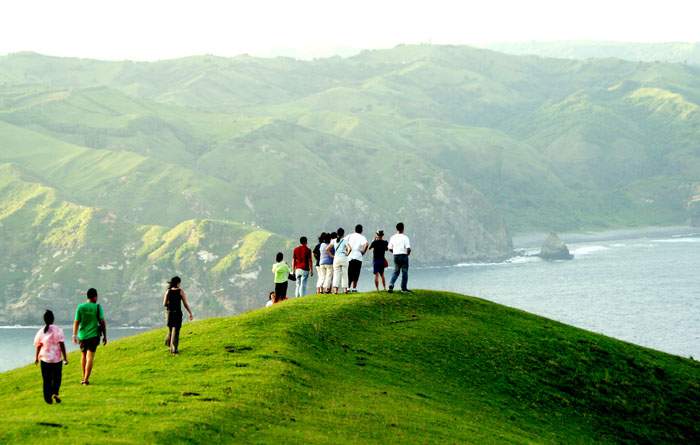
There’s something beautifully practical about day hiking that just makes sense, especially when you’re starting out. No need to worry about camping gear, sleeping in the wilderness, or carrying a week’s worth of supplies on your back. You can test the waters—or in this case, test the trails—without the full commitment.
Most of the trails we’ll cover are remarkably accessible, sitting just 2-5 hours from major cities. That means you can leave Manila early in the morning, conquer a mountain, and still make it back for a proper dinner. It’s the kind of flexibility that works whether you’re a weekend warrior with limited time or someone who’s not quite ready to fully disconnect from civilization.
But here’s what really sets Philippine day hikes apart: the cultural element. These trails don’t exist in isolation—they often wind through local villages where you’ll encounter farmers tending their crops, children waving from their front yards, and vendors selling fresh fruit that tastes better than anything you’ll find in the city. It’s this blend of nature and culture that makes every hike feel like a small adventure, not just an exercise routine.
And let’s be honest—day hiking is perfect for getting your gear game sorted without breaking the bank. You don’t need a massive expedition backpack or a $500 sleeping bag. A lightweight day pack, proper footwear, and a good water bottle will get you started. Perfect for those still figuring out if mountains are their thing, or for experienced hikers who want to travel light and move fast.
Essential Day-Hiking Gear for Philippine Trails
Getting your gear right can make the difference between an absolutely memorable day and one you’d rather forget. The good news? You probably already own half of what you need, and the Philippines’ tropical climate means you won’t need heavy-duty mountaineering equipment.
Footwear is where you shouldn’t compromise, though you don’t need to go overboard either. In the Philippines, many experienced hikers actually swear by good trekking sandals or trail running shoes rather than heavy boots. The logic is sound—you’re likely to encounter stream crossings, and your feet will get wet from sweat anyway in the tropical heat. Something like Merrell sandals or lightweight trail runners with good grip will serve you well. Just avoid anything with a completely flat sole like Converse—you’ll want some traction on those muddy sections.
Your backpack should be in the 20-30 liter range for day hikes. This gives you enough space for water, snacks, extra layers, and safety essentials without feeling like you’re carrying your entire life on your shoulders. Look for something with padded shoulder straps and ideally a hip belt to distribute the weight. If you’re just starting out, even a basic school backpack can work, but a proper day pack will be much more comfortable for longer hikes.
Hydration is absolutely crucial in the tropical climate. A 2-3 liter capacity is usually sufficient, whether that’s multiple water bottles or a hydration bladder. Some hikers prefer bladders for the convenience of drinking without stopping, while others like bottles because they can see exactly how much water they have left. Both work—just make sure you have enough, because dehydration sneaks up fast in the heat and humidity.
Trekking poles might seem optional, but they’re genuinely helpful for beginners, especially on steep descents. They take pressure off your knees and give you extra stability on slippery or rocky sections. Plus, they can double as spider web clearers on less-maintained trails—trust me, you’ll appreciate that feature.
Beyond the basics, pack sun protection (hat, sunscreen), a lightweight rain jacket (weather in the Philippines can shift quickly), some trail snacks, and a basic first-aid kit. A headlamp or flashlight is smart too, just in case you’re out longer than expected.
Don’t overthink it, though. I’ve seen people tackle their first Philippine mountain with running shoes, a school backpack, and a positive attitude, and they had an absolutely fantastic time. The key is being prepared, not having the most expensive gear.
Best Day-Hiking Trails in the Philippines
Mount Batulao – Batangas
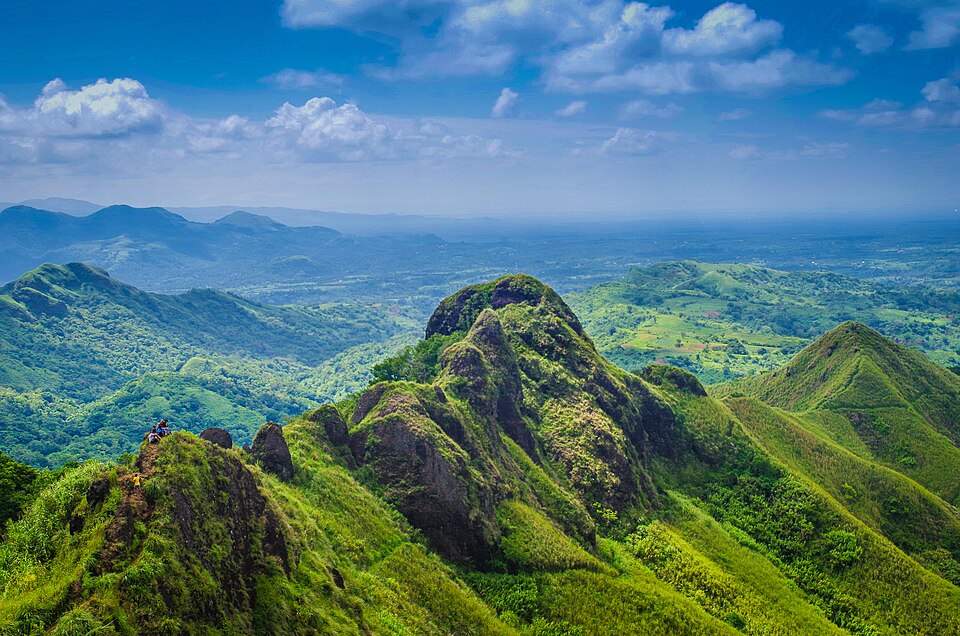
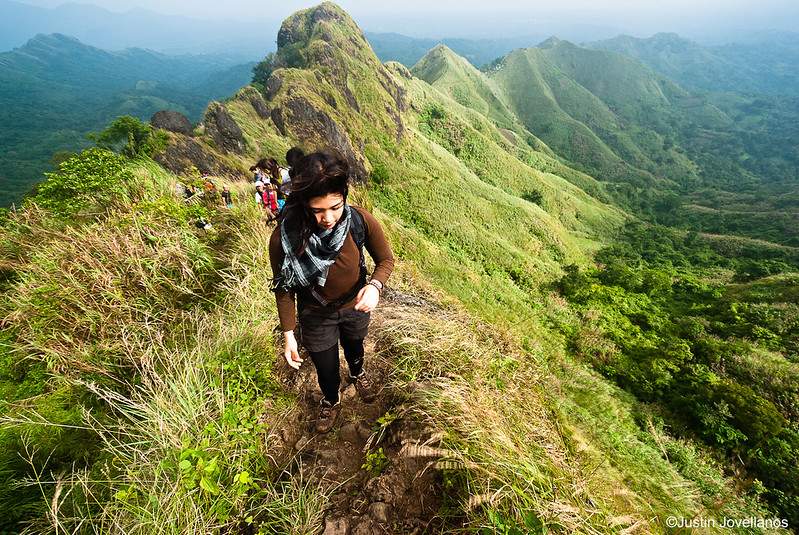
Mount Batulao sits about 2-4 hours from Manila, depending on traffic, and it’s become something of a rite of passage for Filipino hikers. What makes it so special? Those rolling grassy ridges that seem to go on forever, offering views in every direction without being too technically challenging for beginners.
The trail itself is well-established with two main routes—the New Trail and the Old Trail. Most hikers take the New Trail up for the gentler ascent and better scenery, then loop back via the Old Trail. The entire hike takes about 4-6 hours, covering roughly 12 kilometers round trip, with an elevation of 811 meters. It’s rated 4/9 in difficulty, which puts it squarely in beginner-friendly territory with just enough challenge to feel like an accomplishment.
What really wins people over are those panoramic views from the summit—you can see Taal Lake, Batulao’s neighboring peaks, and on clear days, the coastline of Batangas. The exposed ridges mean plenty of photo opportunities, though they also mean you’ll want sun protection since there’s limited shade along the way.
For the complete trail logistics, registration requirements, and detailed route description, check out our comprehensive Mount Batulao day hike guide.
Osmena Peak – Cebu
If you’re looking for maximum reward with minimum effort, Osmena POsmenaeak in Cebu might just be your perfect match. At 1,013 meters above sea level, it’s the highest point in Cebu, but the “hike” is really more of a pleasant 20-30 minute walk from the trailhead.
What you get for that minimal effort is pretty spectacular: panoramic views of jagged hills that look remarkably similar to Bohol’s famous Chocolate Hills, plus sweeping vistas of Cebu’s coastline. On clear days, you can even spot neighboring islands like Negros and Bohol.
The trail is incredibly well-maintained and suitable for almost anyone, making it perfect for families or anyone who wants to ease into mountain hiking. It’s also a popular sunrise spot, so if you’re willing to start before dawn, you’ll be rewarded with some truly magical lighting as the sun comes up over the Philippine Sea.
Planning a Visayas adventure? Start with our detailed Osmena Peak day hike guide to make the most of your Cebu mountain experience.
Mount Pulag (Ambangeg Trail) – Benguet
Mount Pulag holds the distinction of being the highest peak in Luzon at 2,926 meters, but don’t let that intimidate you. The Ambangeg Trail, often called the “Tourist Trail,” is designed specifically for beginners and offers one of the most accessible routes to experience the Philippines’ famous “sea of clouds” phenomenon.
This is a longer day hike—typically 4-6 hours to the summit—but the trail is well-marked and gradual enough that most beginners can handle it with proper preparation. The path takes you through different climate zones, from pine forests at the base to mossy forests and finally to the grasslands near the summit, each with its own unique charm.
The sea of clouds usually appears in the early morning, especially during the cooler months, creating an otherworldly landscape where you’re literally standing above the clouds with peaks poking through like islands. It’s the kind of view that makes you understand why people become addicted to hiking.
The logistics are a bit more involved than other hikes on this list—you’ll need permits and it’s best to arrange transport through tour groups from Manila or Baguio. But the experience is absolutely worth the extra planning. See detailed route information and booking tips in our Mount Pulag Ambangeg Trail day hike guide.
Mount Daraitan & Tinipak River – Rizal
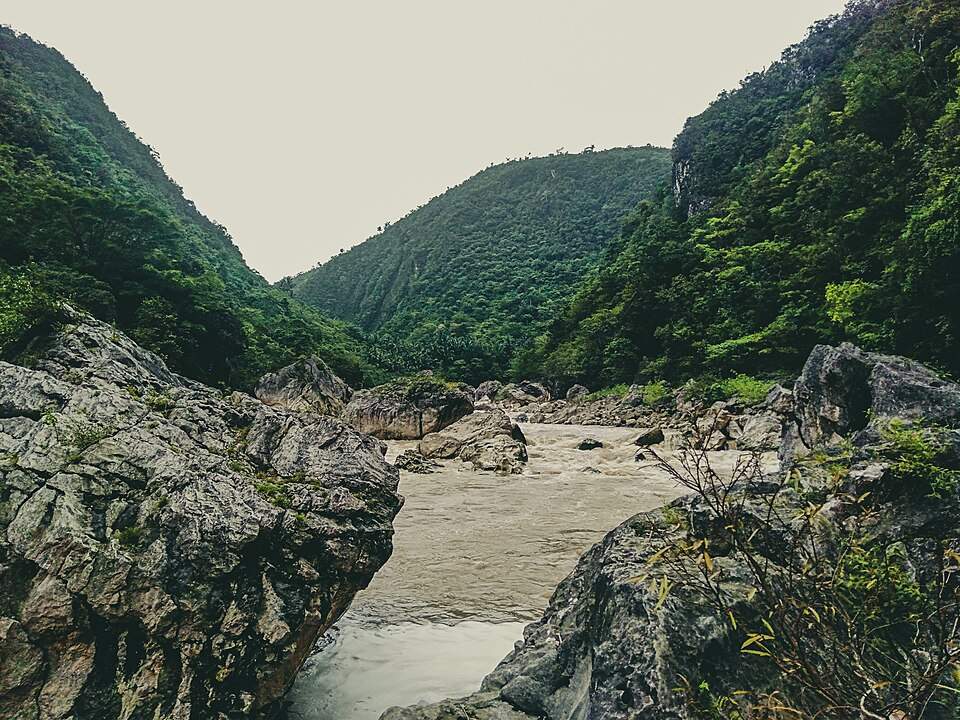
Mount Daraitan offers something a bit different: a scenic forest hike followed by a refreshing dip in crystal-clear river waters. Located in Tanay, Rizal, just 2-3 hours from Manila, it’s become incredibly popular with hikers who want both mountain views and a cooling swim at the end.
The hike itself takes you through lush forests with occasional challenging sections, but nothing that a reasonably fit beginner can’t handle. The summit views are lovely—panoramic vistas of the Sierra Madre mountain range—but honestly, many people come as much for Tinipak River as for the mountain itself.
Tinipak River features stunning white limestone boulders creating natural pools perfect for swimming. After a few hours of hiking in tropical heat, that cool, clear water feels absolutely divine. There’s also Tinipak Cave nearby if you want to extend your adventure.
The combination of mountain hiking and river relaxation makes this trail particularly appealing to groups with mixed fitness levels—everyone gets something they enjoy. Get complete trail logistics and tips for making the most of both mountain and river in our Daraitan and Tinipak River hiking guide.
Mount Talamitam – Batangas
Mount Talamitam represents the gentler side of Batangas hiking. At just 630 meters elevation, it’s considerably easier than its more famous neighbor Mount Batulao, making it perfect for absolute beginners or anyone who wants a relaxed mountain experience.
The trail is mostly open grassland with wide, clear paths and gentle inclines. It typically takes 2-3 hours to reach the summit, where you’ll find sweeping views of Mount Batulao, Taal Lake, and the surrounding Batangas landscape. The grassy summit is perfect for picnics or just lounging around enjoying the mountain air.
What makes Talamitam particularly appealing is its forgiving nature—it’s hard to get lost, the trail isn’t technically challenging, and even if you’re moving slowly, you’ll still reach the summit with time to spare. It’s the kind of hike that builds confidence for bigger adventures ahead.
Many hikers actually combine Talamitam with Batulao for a twin-peak day, though that’s definitely stepping up the challenge level. For those sticking with just Talamitam, check our Mount Talamitam day hike breakdown for the complete experience.
Mount Maynoba – Rizal
Mount Maynoba, also located in Tanay, Rizal, offers a unique combination that’s hard to find elsewhere: the chance to experience a sea of clouds phenomenon along with eight waterfalls scattered throughout the trail. At 728 meters elevation, it’s accessible to beginners while still offering enough variety to keep things interesting.
The best time to catch the sea of clouds is early morning, especially during the cooler months when conditions are just right. Unlike Mount Pulag’s high-altitude clouds, Maynoba’s sea of clouds sits at a much more accessible elevation, making it a great introduction to this incredible natural phenomenon.
The waterfall circuit is what really sets this hike apart. As you make your way around the trail, you’ll encounter multiple waterfalls, some with pools suitable for swimming. It’s like getting several hikes in one—mountain climbing, cloud chasing, and waterfall hopping all rolled together.
The trail can be done as a day hike, typically taking 3-5 hours depending on how much time you spend at the waterfalls. It’s rated as easy to moderate difficulty, meaning beginners can handle it with proper preparation and pacing. Plan your complete Maynoba adventure using our Mount Maynoba day hike guide.
Planning Your Day Hike
Getting to these mountains is usually the first logistical hurdle, but it’s more straightforward than you might expect. For most Manila-accessible hikes, you have the choice between public transport and private options. Public transport—usually buses from terminals like Buendia or Cubao—is budget-friendly and part of the authentic experience, though it does require more patience and local knowledge.
Private van rentals or joining organized day tours often make more sense for first-time hikers. You’ll pay more, but you get door-to-door service, no confusion about routes, and often a guide who knows the trail well. Many tour operators offer packages that include transport, guide fees, permits, and even meals—which can actually work out to good value when you factor in all the logistics they handle.
Food and snacks deserve some thought in this climate. Trail mix, energy bars, and dried fruit are hiking staples for good reasons—they travel well and provide quick energy. But don’t overlook local options: ripe bananas are perfect trail fuel, and you’ll often find vendors near trailheads selling fresh coconut water, which is incredibly refreshing and naturally hydrating. Pack more than you think you’ll need—it’s better to carry extra snacks than to run out of energy halfway up a mountain.
Safety essentials are particularly important when hiking in a foreign country. A basic first-aid kit should include bandages, antiseptic, pain relievers, and any personal medications. Blister treatment is especially important—new hiking shoes or long days on your feet can cause problems even on easy trails. Travel insurance that covers hiking activities isn’t just recommended, it’s really essential. Medical care in remote areas can be limited, and evacuation costs can be astronomical without proper coverage.
Consider downloading offline maps to your phone—GPS apps like Maps.me or AllTrails can be lifesavers if you end up on the wrong path. Even well-marked trails can be confusing, especially where multiple paths intersect.
Where to Stay Before and After Your Hike
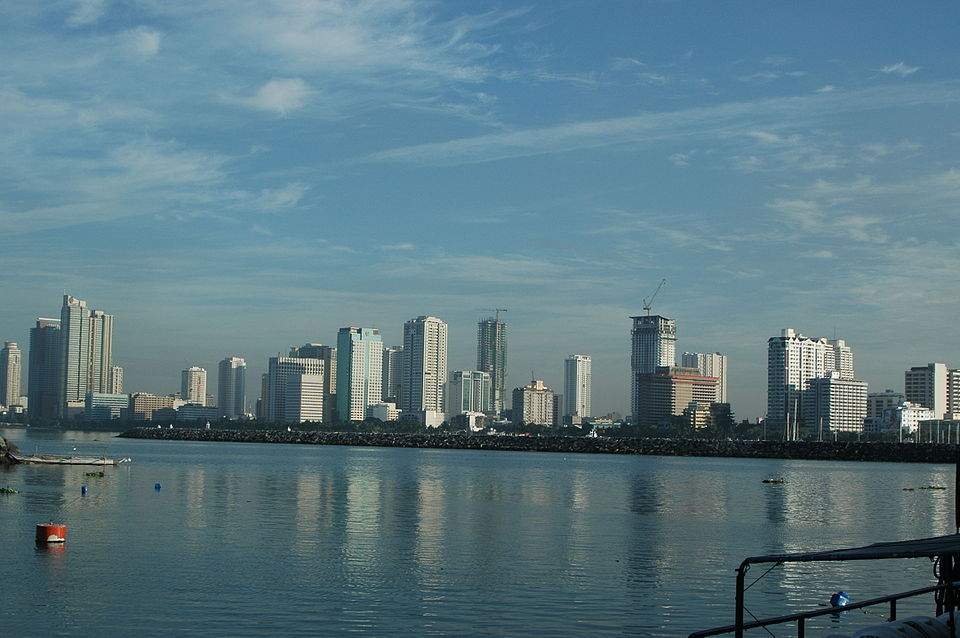
The beauty of day hiking in the Philippines is the accommodation flexibility. Most trails are close enough to major cities that you can stay in proper hotels with hot showers and comfortable beds, rather than roughing it in mountain hostels.
For Manila-area hikes (Batulao, Talamitam, Daraitan, Maynoba), staying in Manila itself often makes the most sense. You get the full range of accommodation options, from budget hostels in Malate to mid-range business hotels in Makati. The early morning departure times for mountain hikes actually work well with city hotels—you can grab breakfast, check out, and be on the road by 5 AM.
Batangas-area hikes open up some interesting options. You could stay in Tagaytay the night before your hike—it’s cooler, closer to the mountains, and has that lovely small-town atmosphere. Plus, Tagaytay has some great restaurants for post-hike celebration meals. Alternatively, some resorts near the actual trailheads offer the convenience of rolling out of bed and onto the trail.
For Mount Pulag, staying in Baguio makes the most logistical sense. It’s the jumping-off point for most Pulag tours, and frankly, Baguio is worth experiencing for its own sake—cool mountain air, great food scene, and plenty to see if you want to extend your trip.
Osmena Peak hikers have the excuse to explore Cebu, which is honestly a fantastic destination beyond just hiking. Cebu City has excellent hotels and restaurants, while the coastal towns offer resort-style accommodations if you want to combine hiking with beach time. The quick nature of the Osmena hike means you’ll have plenty of time for other Cebu adventures.
Combine Osmena Peak with a weekend in Cebu and you’ve got a perfect short getaway—mountain sunrise one day, island hopping the next.
Tips for Beginners
Start with the right expectations. Philippine day hikes can be more challenging than they initially appear, especially in the tropical heat and humidity. What feels like an easy walk in cooler climates can become quite demanding when it’s 85°F with 80% humidity. Don’t be embarrassed to take breaks—everyone does, and the views are better when you’re not gasping for air.
Begin with the shorter, easier hikes to build your confidence and fitness. Mount Batulao and Mount Talamitam are excellent first mountains, while Osmena Peak is perfect if you want to test the waters with minimal physical commitment.
Join guided day hikes for your first few adventures, especially if you’re traveling solo or unfamiliar with the area. Local guides know the trails intimately, can help with permits and logistics, and often share interesting stories about the area’s history and ecology. Plus, there’s safety in numbers, and you might make some hiking buddies for future adventures.
Invest in proper footwear before anything else. Everything else can be improvised—you can hike with a school backpack, drink from plastic bottles, and wear whatever clothes you have. But bad shoes will ruin your day and potentially cause injury. Get something with decent traction and ankle support, and break them in before your first hike.
Listen to your body and don’t push through pain. The mountains will still be there tomorrow, but injuries can sideline you for weeks. Filipino hiking culture is generally very supportive—no one will judge you for turning around early or hiking at your own pace.
Not sure where to start your Philippine hiking journey? Our Mount Batulao guide makes an excellent first step—it’s challenging enough to feel like an accomplishment but forgiving enough for beginners.
Understanding Trail Difficulty and Safety
Philippine mountains use a difficulty rating system from 1/9 to 9/9, which is incredibly helpful for choosing appropriate hikes. The trails we’ve covered fall mostly in the 2/9 to 4/9 range—perfect for beginners but with enough variety to keep things interesting.
2/9 trails like Osmena Peak are essentially elevated walks with minimal technical challenges. They’re perfect for testing whether you enjoy mountain environments without committing to serious physical exertion.
3/9 trails such as Mount Pulag’s Ambangeg route and Mount Talamitam step up the challenge slightly with longer distances or gentle inclines, but remain very manageable for anyone in reasonable shape.
4/9 trails like Mount Batulao represent the upper end of beginner-friendly hiking. They typically involve 2-5 hours of hiking with some steeper sections, but nothing that requires technical skills or extreme fitness.
Weather awareness is crucial in the Philippines. The dry season (roughly November to May) offers the most predictable conditions for hiking, while the wet season brings afternoon thunderstorms that can make trails slippery and dangerous. Even during dry season, pack rain protection—tropical weather can shift quickly.
Trail etiquette in the Philippines emphasizes respect for local communities and environments. Many trails pass through private property or sacred areas—follow your guide’s instructions and don’t wander off established paths. The “Leave No Trace” principle applies everywhere, but it’s especially important in areas where local communities depend on the natural environment for their livelihoods.
What to Expect on Your First Philippine Hike
The experience begins before you even hit the trail. Early morning departures—often by 5 AM—are standard for beating both traffic and heat. There’s something special about watching the city wake up from a bus or van window as you head toward the mountains.
Registration and permits are required for virtually all organized hikes. This usually happens at a barangay (village) hall near the trailhead, where you’ll pay modest fees—typically 20-50 pesos for registration plus guide fees if required. These fees support local communities, so consider them a positive contribution rather than a nuisance.
Local guides are often mandatory, and for good reason. They know current trail conditions, can help in emergencies, and their fees provide important income for mountain communities. Many guides are excellent storytellers who’ll share local legends, point out interesting plants and animals, and help you understand the cultural significance of the areas you’re hiking through.
The trails themselves often surprise first-time visitors. Philippine hiking tends to be more social than in some countries—you’ll encounter other hikers, local farmers, and children playing. Don’t be surprised if someone offers you fresh fruit or strikes up a conversation. It’s part of the charm, though it can feel unusual if you’re used to wilderness solitude.
Summit experiences vary dramatically between mountains, but they share certain commonalities: incredible views, great photo opportunities, and a real sense of accomplishment. Whether you’re looking out over Batulao’s rolling ridges, Pulag’s sea of clouds, or Maynoba’s waterfalls, that moment when you reach the top makes every step of the climb worthwhile.
Building Your Hiking Skills and Confidence
Every expert hiker started exactly where you are now—looking at mountains and wondering if they could possibly make it to the top. The beauty of the Philippines is that it offers such a perfect progression of challenges, allowing you to build skills and confidence gradually.
Start with something achievable like Osmena Peak or Mount Talamitam. These hikes teach you basic mountain skills—pacing yourself, staying hydrated, reading terrain—without overwhelming physical demands. You’ll learn how your body responds to hiking and what gear works best for your needs.
From there, progress to moderate challenges like Mount Batulao or Mount Daraitan. These hikes introduce steeper terrain and longer distances while maintaining clear, well-marked trails. You’ll start developing hiking rhythm and learning to manage your energy over several hours of activity.
Physical preparation doesn’t require a gym membership, though it certainly helps. Regular walking, especially on hills or stairs, builds the specific leg strength and cardiovascular fitness that hiking demands. Even mall walking or taking stairs instead of elevators makes a difference.
Mental preparation is equally important. Hiking tests patience, determination, and problem-solving skills. Start with shorter hikes to build mental confidence—knowing you can complete one mountain makes the next one seem less daunting.
Seasonal planning can maximize your success. The cool, dry months from December to February offer the most comfortable hiking conditions, while March to May brings hotter weather that tests endurance. The rainy season (June to November) can be beautiful but requires extra caution due to slippery trails.
Expanding Your Philippine Hiking Horizons
Once you’ve mastered these beginner trails, the Philippines opens up a world of hiking possibilities. The skills you develop on Mount Pulag’s Ambangeg Trail prepare you for more challenging Cordillera mountains. Experience gained on Mount Batulao sets you up for longer ridge walks and multi-peak traverses.
The country’s geographic diversity means you can pursue different types of hiking experiences. Coastal hikes offer ocean views and sea breezes. Rainforest trails provide lush, green tunnels and wildlife encounters. High-altitude hikes like advanced routes on Mount Pulag deliver alpine experiences unique in Southeast Asia.
Regional exploration becomes addictive once you start. Each island group offers distinctive hiking experiences—from Luzon’s volcanic landscapes to Mindanao’s pristine wilderness areas. Building your skills on beginner trails opens doors to these more remote and challenging destinations.
The hiking community in the Philippines is incredibly welcoming to newcomers. Online groups, local clubs, and organized hikes provide opportunities to meet experienced hikers who can share knowledge, recommend new trails, and provide companionship for more challenging adventures.
Remember, every expert started as a beginner. The mountains that seem impossible today become tomorrow’s training hikes. Start where you are, use what you have, do what you can—the peaks will wait for you to be ready.
Conclusion
The Philippines offers something truly special for beginning hikers: mountains that challenge without overwhelming, communities that welcome without intruding, and landscapes that inspire without requiring weeks of preparation. From the gentle ridges of Batulao to the iconic sea of clouds at Pulag, from the quick satisfaction of Osmena Peak to the refreshing combination of mountains and waterfalls at Maynoba, there’s a perfect trail waiting for every beginning hiker.
The beauty of these day hikes isn’t just in their accessibility—though being able to conquer a mountain and still sleep in your own bed is pretty wonderful. It’s in how they introduce you to a different way of experiencing the world, where the journey really is as important as the destination, where physical challenge leads to mental clarity, and where the simple act of putting one foot in front of the other can become a form of moving meditation.
Whether you’re drawn to the rolling grasslands of Mount Talamitam or the river adventures of Daraitan and Tinipak, these trails offer more than just exercise—they provide an introduction to the Philippines beyond its beaches, a chance to interact with local communities, and perhaps most importantly, a gateway to discovering what you’re capable of achieving.
Your first mountain is waiting. Pick a trail that speaks to you, gather the basic gear, and take that first step. The views from the summit—and the confidence you’ll gain getting there—will be worth every upward step.
Get the right gear, plan your route, and begin your Philippine mountain adventure today. The peaks are calling, and they’re more accessible than you ever imagined.





Leave a Reply