
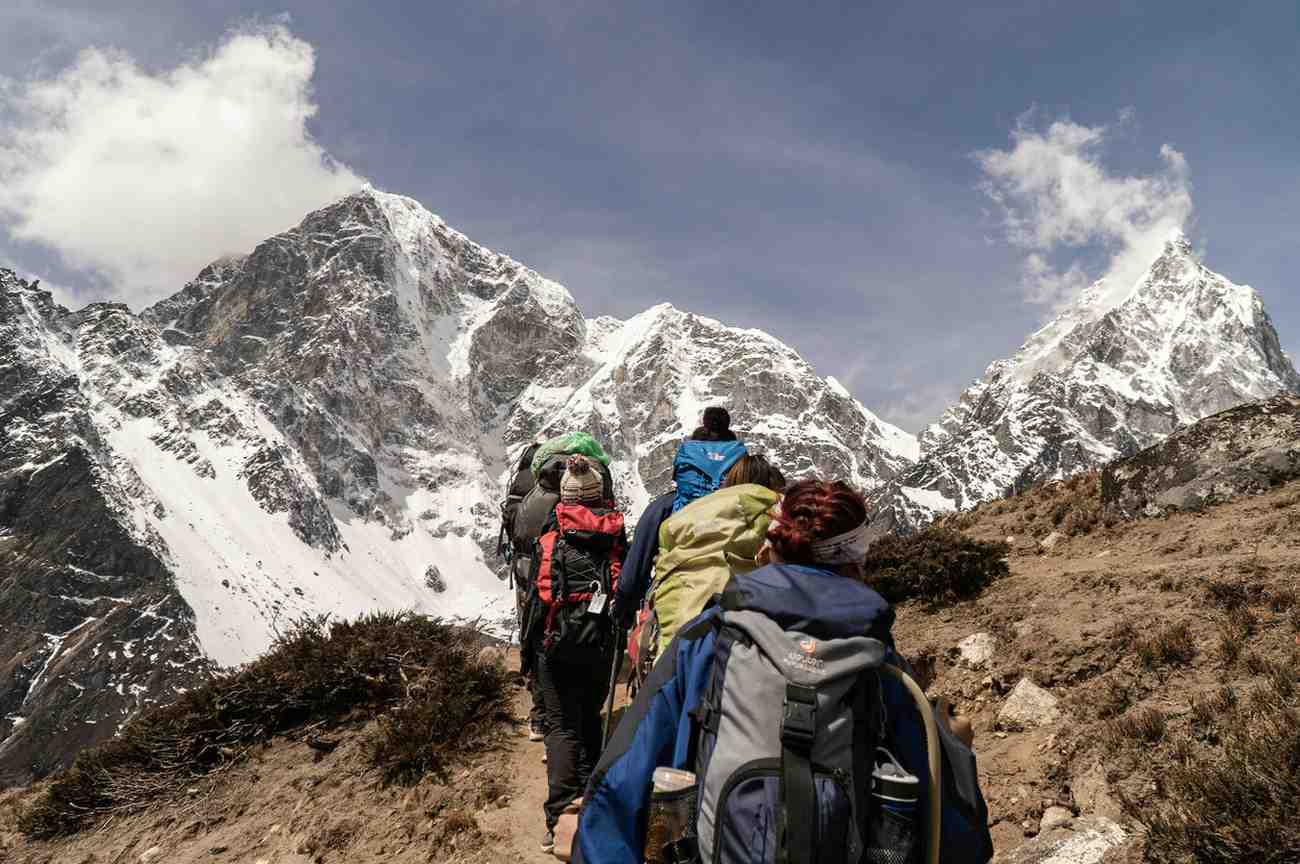
BetterThisFacts tips from BetterThisWorld are practical productivity and wellness strategies that can dramatically enhance your outdoor adventures and travel experiences. These tips focus on goal-setting, habit formation, time management, and mindfulness—all crucial skills for planning successful trips, maintaining energy during expeditions, and building sustainable travel habits. When applied to outdoor activities, these principles help adventurers prepare better, stay focused on trails, develop mental resilience needed for challenging journeys, and create lasting connections with fellow explorers. Whether you’re a weekend hiker or a full-time nomad, these strategies provide a framework for turning adventure dreams into reality.
So here’s the thing about planning outdoor adventures. Most of us—myself included, honestly—spend more time scrolling through Instagram photos of mountain peaks than actually mapping out how we’re going to get there. We dream about thru-hiking the Appalachian Trail or kayaking through Norwegian fjords, but then life happens. Work piles up. We get tired. The gear sits in the closet gathering dust.
That’s where betterthisfacts tips by betterthisworld come into play. And before you think this sounds too corporate or productivity-obsessed for the adventure community, hear me out. These aren’t tips about squeezing more meetings into your calendar. They’re about creating systems that actually get you out the door and onto the trail. Perhaps more importantly, they’re about sustaining that adventurous lifestyle without burning out.
I stumbled across this framework last year when I was trying to figure out why I kept abandoning my backpacking goals halfway through training. The answer wasn’t motivation—I had plenty of that. It was structure. Or rather, the lack of it. The betterthisfacts tips from betterthisworld gave me a roadmap, and honestly, they changed how I approach not just adventure planning but my entire relationship with the outdoors.
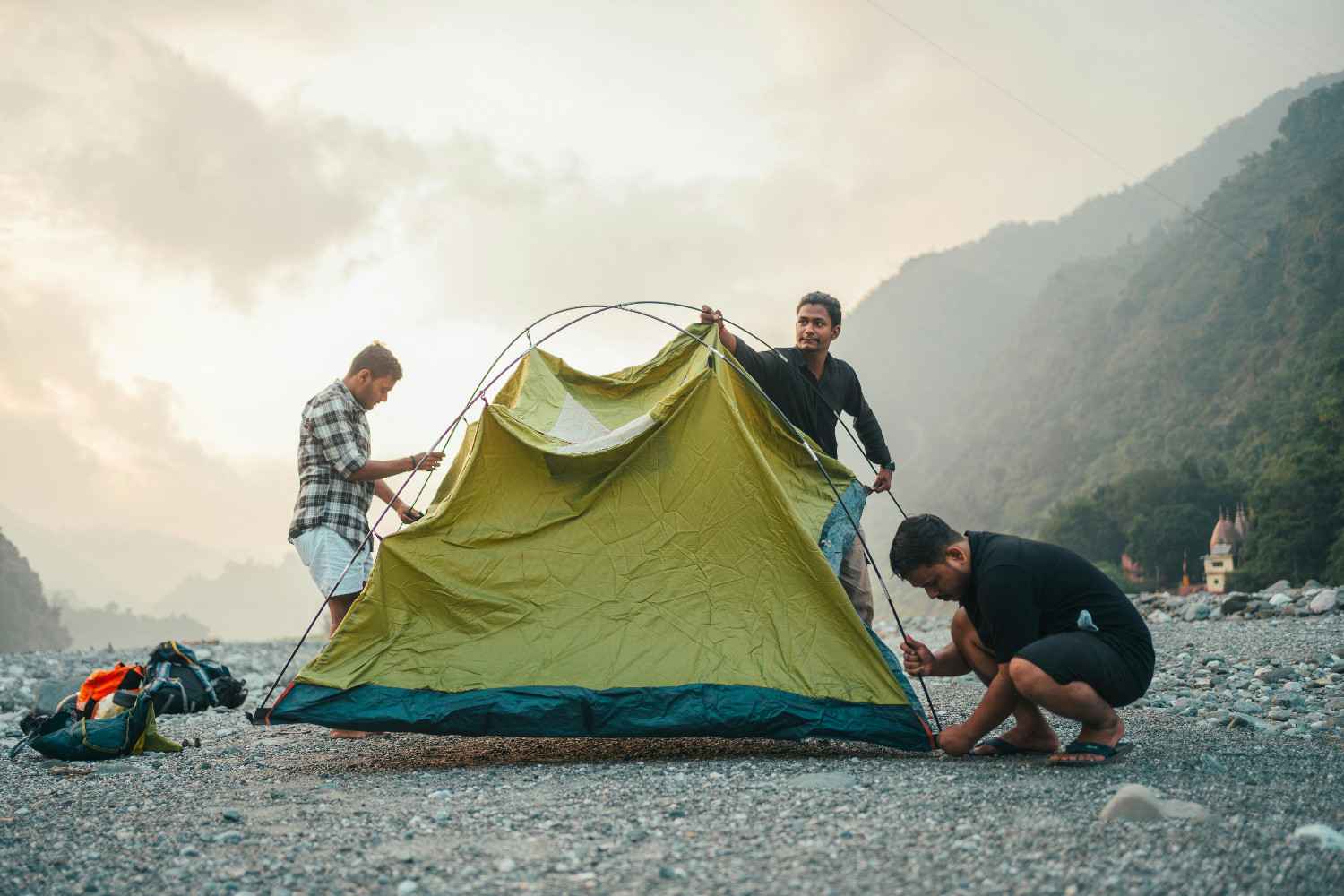
Understanding BetterThisFacts Tips for the Adventure Community
Let me start with what these tips actually are, because the name itself doesn’t exactly scream “outdoor adventure,” does it? BetterThisFacts is essentially a collection of practical strategies focused on productivity, wellness, and personal growth. Think of it as life optimization, but without the weird Silicon Valley obsession with hacking every minute of your day.
The core idea is pretty straightforward: small, consistent changes compound over time. Instead of overhauling your entire life (which never works anyway), you focus on incremental improvements. For outdoor enthusiasts, this translates beautifully. You’re not trying to go from couch potato to Everest climber in three months. You’re building systems that gradually increase your fitness, refine your planning skills, and develop the mental toughness needed for real adventures.
What makes these strategies particularly useful for travelers and adventurers is their emphasis on sustainability. The outdoor community sees burnout all the time—people who go hard for six months, injure themselves, drain their savings, and then disappear from the trail completely. The betterthisfacts approach prevents that cycle by encouraging balanced, long-term thinking.
Here’s what the framework covers:
- Goal-setting strategies that break down massive expeditions into achievable milestones
- Habit formation techniques that build adventure-ready routines into your daily life
- Time management systems that balance work responsibilities with your passion for exploration
- Wellness practices that keep you physically and mentally prepared for challenging trips
- Mindset development that builds resilience when adventures don’t go as planned
- Community building that connects you with fellow explorers and creates accountability
I think what resonates most with adventurers is the focus on action over perfection. You don’t need the most expensive gear or the perfect training plan. You need systems that work consistently, even when motivation fades. And let’s be honest—motivation always fades eventually. That’s human nature.
Goal-Setting Strategies That Actually Get You to the Trailhead
Alright, so goal-setting. Everyone talks about it, right? Set a goal, chase it, achieve it. Simple. Except it’s not simple at all, especially when your goal is something massive like summiting a 14er, completing a multi-day backpacking trip, or cycling across a continent.
The SMART goal framework is probably the most well-known piece of betterthisfacts tips by betterthisworld, and there’s a reason it gets so much attention. SMART stands for Specific, Measurable, Attainable, Relevant, and Time-bound. In the context of adventure travel, this means transforming vague dreams into concrete plans.
Let’s say you want to “get better at hiking.” That’s not a SMART goal—it’s barely a goal at all. What does “better” mean? How will you know when you’ve achieved it? A SMART version might look like: “Complete a 10-mile hike with 2,000 feet of elevation gain by June 15th, training three times per week.”
See the difference? The second version gives you clear targets. You know exactly what you’re working toward, you can measure your progress, and you have a deadline that creates urgency. Perhaps more importantly, you can reverse-engineer a training plan from that goal.
Here’s how I break down big adventure goals:
- Start with the end vision: Where do you want to be in 12 months? Be specific about the adventure.
- Work backward: What do you need to accomplish at 9 months? 6 months? 3 months?
- Break into weekly targets: What can you do this week to move closer to that goal?
- Create daily actions: What’s the smallest possible step you can take today?
The thing about adventure goals is they often involve multiple components. You’re not just building cardiovascular fitness—you’re also learning navigation skills, testing gear, arranging logistics, and maybe dealing with permits or visas. The SMART framework helps you organize all these moving pieces without getting overwhelmed.
One strategy that’s been incredibly useful for me is the concept of “process goals” versus “outcome goals.” An outcome goal is summiting that mountain. A process goal is hiking every Wednesday morning before work. You control the process goals completely, whereas outcome goals depend on weather, conditions, your health, and a dozen other variables.
Tracking progress matters too. I keep a simple spreadsheet—nothing fancy—where I log training hikes, gear tests, and skills I’m developing. Seeing that progress accumulate over weeks and months provides motivation when I’m tempted to skip a training session. It’s tangible proof that the work is adding up.
If you want to dive deeper into creating a structured approach for your next big adventure, check out this guide on SMART goal-setting strategies for adventure travel planning. It breaks down the framework specifically for outdoor enthusiasts with examples from real expeditions.
Building Adventure-Ready Habits That Stick
Goals are great. But honestly? Goals without habits are just wishes. I learned this the hard way after setting ambitious hiking goals for three consecutive years and failing each time. The problem wasn’t my goals—they were fine, maybe even realistic. The problem was I relied entirely on motivation to get me out the door.
Here’s what nobody tells you about motivation: it’s fundamentally unreliable. Some days you wake up pumped to train. Other days you’d rather eat an entire pizza and watch Netflix. That’s normal. The betterthisfacts tips from betterthisworld emphasize systems over motivation, and this might be the most valuable shift you can make as an adventurer.
The 80/20 principle is huge here. Also called the Pareto Principle, it suggests that 80% of your results come from 20% of your efforts. For adventure preparation, this means identifying the highest-impact activities and making them non-negotiable habits.
For most outdoor goals, that 20% looks something like this:
- Consistent cardiovascular exercise (3-4 times weekly)
- Progressive strength training for legs and core
- Regular gear maintenance and testing
- Ongoing route research and planning
Notice what’s not on that list? Obsessing over which brand of socks to buy. Reading 47 blog posts about the “perfect” backpack. Joining every online forum and debate about gear. That stuff can be fun, I guess, but it’s not moving you meaningfully toward your adventure goals.
Habit stacking is another concept that works brilliantly for outdoor enthusiasts. The idea is simple: attach a new habit to an existing one. Your brain already has established neural pathways for your current routines, so piggybacking new behaviors onto those routines makes them easier to remember and maintain.
Here are some examples I’ve used:
- After I pour my morning coffee, I do a 5-minute mobility routine for hiking
- After I eat lunch, I review my next trip’s itinerary for 10 minutes
- After I finish work on Fridays, I clean and organize my gear for the weekend
- After I shower post-workout, I update my training log
The “after I…” format is crucial. It creates a clear trigger for the new behavior. You’re not relying on remembering or feeling motivated—you’re just following the sequence.
Perhaps the most important habit insight is this: design your environment to support the behavior you want. James Clear talks about this extensively, and it’s a core betterthisfacts principle. If you want to hike before work, lay out your hiking clothes the night before. Put your packed daypack by the door. Make it easier to go hiking than to skip it.
Conversely, add friction to behaviors you’re trying to avoid. If you waste too much time on social media when you should be training, delete the apps from your phone. Make yourself log in through a browser, which adds just enough inconvenience to break the automatic behavior.
I keep my hiking boots in the living room. Sounds weird, I know. But seeing them every day reminds me of my goals. They’re a physical prompt. On days when I’m feeling lazy, those boots sitting there kind of guilt me into action. Is that manipulation? Maybe. Does it work? Absolutely.
Creating sustainable routines that support your outdoor lifestyle isn’t complicated, but it does require intentionality. For a deeper exploration of how to build habits that actually stick, this article on building sustainable adventure habits for outdoor enthusiasts provides specific techniques and real-world examples from the trail community.
Time Management for Adventurers with Real Lives
Let’s talk about the elephant in the room. Most of us aren’t full-time adventurers. We have jobs, families, responsibilities, and honestly, not enough hours in the day. The fantasy version of adventure life looks like endless free time and unlimited resources. The reality involves squeezing training sessions between meetings and saving vacation days like they’re gold.
This is where time management strategies from betterthisfacts tips by betterthisworld become essential. You can’t create more time, but you can use the time you have more effectively. That might sound like typical productivity advice, but when you apply it to adventure planning, it changes everything.
The Eisenhower Matrix is one tool I come back to constantly. It’s a simple four-quadrant system that categorizes tasks based on urgency and importance:
- Urgent and Important: Do these immediately (injury treatment, permit deadlines)
- Important but Not Urgent: Schedule these (training, gear research, skill development)
- Urgent but Not Important: Delegate or minimize (most emails, many meetings)
- Neither Urgent nor Important: Eliminate (time-wasting activities)
Most adventure preparation falls into the “Important but Not Urgent” category. That’s the quadrant where real progress happens, but it’s also the easiest to neglect because there’s no immediate deadline screaming at you. Training for a trip six months away? Important, not urgent. Researching water sources along your route? Important, not urgent.
The problem is that life fills up with urgent things—work emergencies, family obligations, the day-to-day chaos. Without a system, your adventure preparation gets perpetually delayed. Then suddenly it’s two weeks before your trip and you realize you’re not ready.
Time-blocking has been a game-changer for me. Instead of hoping I’ll find time to train or plan, I schedule specific blocks in my calendar and treat them like unmovable appointments. Tuesday and Thursday mornings from 6:00-7:30 are for training. Sunday afternoons are for gear maintenance and trip planning. These blocks are sacred. I don’t let work meetings intrude, and I don’t skip them unless there’s a genuine emergency.
Here’s the interesting thing though. Time-blocking doesn’t just create space for adventure preparation—it also makes your regular work more efficient. When you know you only have until 5:30 to finish something because you’re going hiking after, you tend to work more focused. Parkinson’s Law states that work expands to fill the time available. Time-blocking uses that principle in your favor.
I’ve also learned to batch similar tasks together. Instead of doing a little gear research every few days, I dedicate one evening every two weeks to gear decisions. Instead of checking trail conditions randomly, I have a weekly review session where I update all my trip information at once. Batching reduces the mental overhead of constantly switching between contexts.
Another principle worth mentioning: protect your peak energy hours for your most important work. I’m a morning person, so that’s when I train. My afternoons are better for administrative tasks like booking campsites or updating spreadsheets. If you’re a night owl, flip that around. The point is to align your tasks with your natural energy rhythms rather than fighting against them.
For those juggling demanding careers with serious adventure goals, this article on time management hacks for busy travelers and adventurers offers specific techniques for finding those hidden pockets of time and using them strategically.
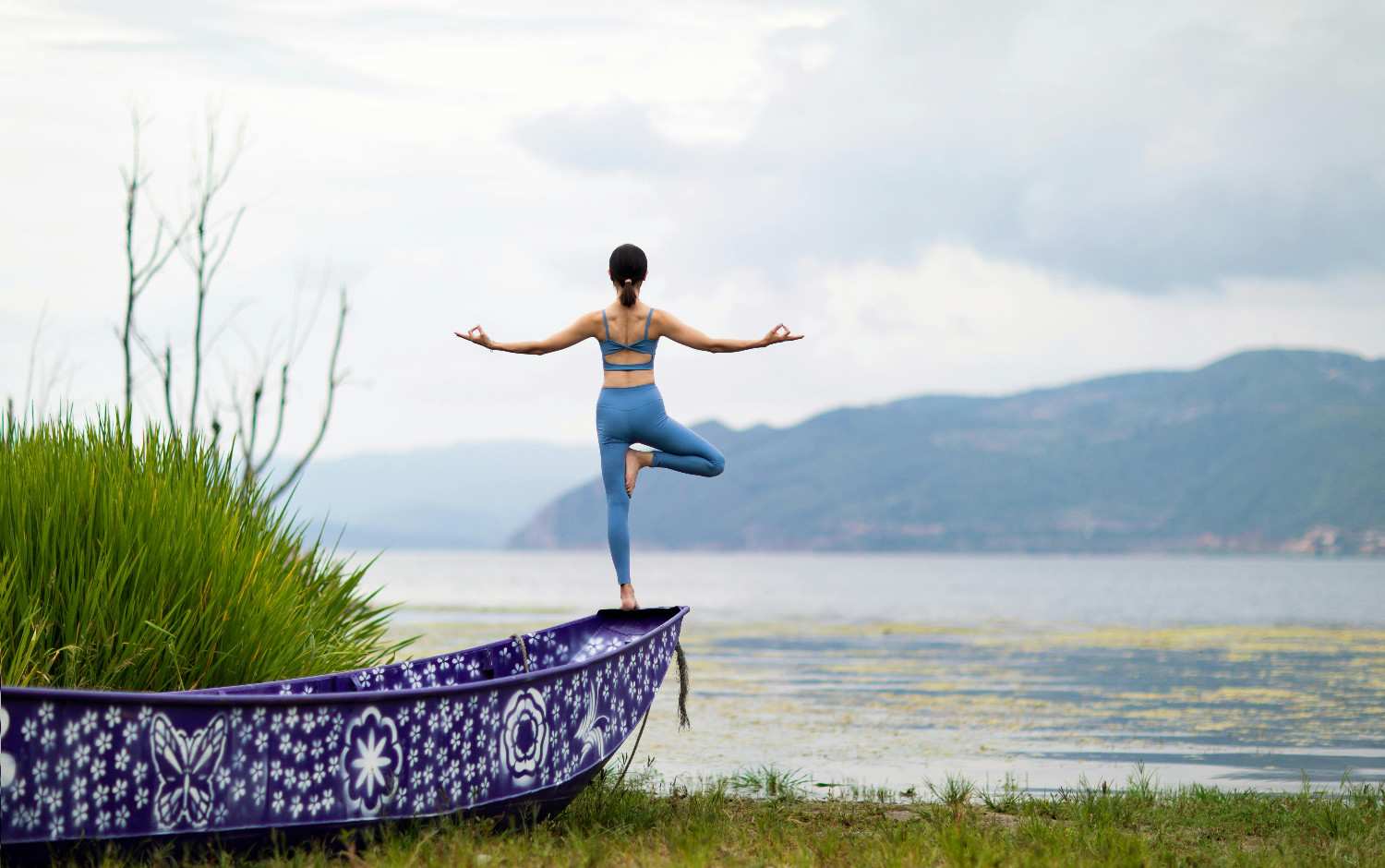
Physical and Mental Wellness That Powers Your Adventures
Okay, this section is probably the most obvious, right? Of course physical fitness matters for outdoor adventures. But I think the betterthisfacts approach to wellness goes deeper than just “work out more.” It’s about creating sustainable practices that support long-term adventuring rather than quick fixes that lead to burnout or injury.
Let’s start with hydration, which seems almost too basic to mention. But here’s the reality: most people walk around chronically dehydrated, and it absolutely tanks your energy and cognitive function. On the trail, dehydration can be dangerous. In daily life, it just makes everything harder—your workouts, your focus, your recovery.
The standard advice is eight glasses of water per day, but that’s pretty arbitrary. A better approach is monitoring your urine color (should be pale yellow) and drinking consistently throughout the day rather than chugging water occasionally. I keep a 32-ounce water bottle at my desk and aim to refill it three times during the workday. Simple system, easy to track.
For outdoor activities, hydration strategy needs to be more sophisticated. Pre-hydrating before a hike, carrying enough water for the conditions, understanding electrolyte needs on longer efforts—these aren’t details you want to figure out on the fly. Practice your hydration strategy on training hikes so it’s automatic on the actual adventure.
Movement matters too, obviously. But one of the most valuable wellness practices from betterthisfacts tips by betterthisworld is the concept of incorporating short workouts throughout your day rather than relying on one big training session. This is especially useful for people with desk jobs (which describes most of us).
My typical weekday includes:
- 5-minute morning mobility routine (focused on hip and ankle flexibility for hiking)
- 2-3 minute movement breaks every hour during work (squats, lunges, calf raises)
- Longer training session (30-60 minutes) before or after work
- Evening stretching while watching TV (there, I admitted it—I watch TV)
Those micro-workouts add up. Plus they break up long periods of sitting, which is genuinely bad for you beyond just fitness concerns. Your body isn’t designed to be stationary for eight hours straight.
Sleep might be the most underrated wellness practice in the adventure community. There’s this weird machismo around sleep deprivation—like you’re somehow tougher if you’re running on four hours of sleep. That’s nonsense. Sleep is when your body repairs tissue, consolidates learning, and regulates hormones. Shortchange your sleep and everything suffers: your training, your decision-making, your immune system.
I’m not perfect with sleep—who is?—but I’ve built a few non-negotiable practices:
- Same bedtime and wake time every day (yes, even weekends, mostly)
- Dark, cool bedroom (blackout curtains are worth every penny)
- No screens 30 minutes before bed (this is the hardest one for me)
- Reading or journaling as a wind-down routine
When I’m actually on trail for multi-day trips, sleep becomes even more critical. That’s when I’m pushing my body hard, and recovery determines whether I enjoy the experience or suffer through it.
Mental wellness deserves equal attention, though it’s less tangible than physical fitness. Mindfulness practices—meditation, breathing exercises, simply being present in nature—build the mental resilience you need when adventures get difficult. And they will get difficult. Weather changes, plans fall apart, your body hurts, you’re tired and cold and questioning your life choices.
I practice box breathing (4 seconds in, 4 seconds hold, 4 seconds out, 4 seconds hold) both during training and on trail. It’s a simple technique that activates your parasympathetic nervous system, basically telling your body to calm down. Works for pre-adventure anxiety, works during difficult situations, works anytime.
Nature itself is a wellness practice, which is kind of the whole point of outdoor adventures. But there’s a difference between being in nature and being present in nature. The former is just location. The latter is attention—actually noticing the wind, the smells, the sounds, the light. That presence is meditative, restorative, and honestly, it’s why most of us chase these experiences in the first place.
For comprehensive strategies on staying physically and mentally prepared for your adventures, explore this resource on wellness practices that elevate your outdoor adventures. It covers everything from training periodization to mental preparation techniques used by endurance athletes and mountaineers.

Developing an Adventure Mindset: Mental Toughness for When Things Go Sideways
Here’s something I wish someone had told me earlier: adventure is supposed to be hard. That’s not a bug, it’s a feature. The challenge is the point. But our culture kind of conditions us to expect everything to be comfortable and convenient, so when an adventure actually demands something from us—when we’re cold, tired, scared, uncomfortable—we interpret that as something going wrong.
Nothing’s going wrong. That’s just adventure.
The mindset piece of betterthisfacts tips from betterthisworld focuses heavily on developing a growth mindset, a term coined by psychologist Carol Dweck. The basic idea: people with a fixed mindset believe their abilities are static. People with a growth mindset believe abilities can be developed through effort and learning.
In the context of outdoor adventures, this distinction is massive. Fixed mindset says: “I’m not a strong hiker” or “I’m bad at navigation” or “I’m not brave enough for that.” Growth mindset says: “I’m not a strong hiker yet” or “I’m still learning navigation” or “I’m working on building courage for bigger challenges.”
That one word—yet—changes everything. It reframes struggles as part of the process rather than evidence of inadequacy.
I’ve failed at plenty of adventure goals. Turned back before summits, bailed on trips due to conditions, overestimated my abilities and suffered for it. For a long time, I interpreted those experiences as proof I wasn’t cut out for serious outdoor adventures. Fixed mindset. What I eventually learned is that those failures were data points, teaching me about my limits, my preparation gaps, my decision-making under pressure.
Journaling has been surprisingly valuable for developing this perspective. After every significant hike or trip, I spend 20-30 minutes writing about the experience. Not just “it was great” or “it was hard”—actually processing what went well, what didn’t, what I learned, how I felt. Over time, those journal entries create a record of growth that’s impossible to deny.
Looking back at entries from two years ago, I barely recognize that person. The hikes that seemed impossibly difficult then are my casual weekend outings now. The fears I had about solo hiking or navigating unfamiliar terrain? Still present sometimes, but manageable. That’s growth mindset made tangible.
Mental toughness isn’t about being fearless or impervious to discomfort. It’s about staying functional when things are difficult. It’s making good decisions when you’re tired and cold. It’s keeping perspective when a plan falls apart. Those are skills you can develop, not traits you either have or don’t.
One technique that’s helped me: reframing discomfort. When my legs are burning on a steep climb, instead of “this hurts, I want to stop,” I practice thinking “this is the feeling of getting stronger.” When weather turns bad, instead of “this trip is ruined,” I try “this is a chance to practice skills in challenging conditions.” It sounds cheesy, I know. But the way you frame experiences in your mind genuinely affects how you handle them.
Another aspect of adventure mindset: managing expectations. Social media has created this curated version of outdoor adventures where everything is golden hour lighting and perfect conditions. Nobody posts the photos of sitting in a tent during a two-day rainstorm or the moments when you’re questioning every decision that led to being exhausted at 13,000 feet.
But those moments are part of it. Maybe the most important parts, actually. The gorgeous views and perfect days are bonuses. The real adventure is the challenge, the discomfort, the moment you push through something difficult and discover you’re capable of more than you thought.
If you’re looking to build the mental resilience that separates those who talk about adventures from those who complete them, this guide on developing an adventure mindset and mental resilience for explorers dives deep into psychological strategies used by mountaineers, endurance athletes, and expedition leaders.
Creating Your Adventure Environment: Space, Systems, and Community
Environment matters more than we typically acknowledge. And I don’t just mean natural environment—though obviously that’s important for outdoor adventures. I mean the physical and social environments you create in your daily life. These environments either support your adventure goals or undermine them.
Let’s start with physical space. Where is your gear? Is it organized and accessible, or is it scattered across closets and the garage in a chaotic mess? When it’s time to pack for a trip, do you know exactly where everything is, or do you spend hours hunting for that headlamp or water filter?
I created a dedicated adventure station in my home—basically a corner of my bedroom with a gear shelf, a packing checklist on the wall, and space to lay out equipment. Everything has a place. After every trip, I clean gear and put it back in its designated spot. This might sound overly organized, but it removes so much friction from the process.
When deciding whether to go on a spontaneous hike, the answer is much more likely to be yes if I know my gear is ready. If I have to dig through closets and figure out what needs cleaning, that friction creates hesitation. Remove the friction, increase the likelihood of action.
The same principle applies to your broader environment. If you’re trying to save money for a big adventure, make it automatic. Set up a separate savings account and auto-transfer a specific amount every paycheck. Don’t rely on remembering or having discipline—create a system that works regardless of motivation.
Social environment might be even more important than physical environment. The people around you shape your behavior and beliefs more than you probably realize. If everyone in your social circle thinks outdoor adventures are crazy or pointless, maintaining enthusiasm for your goals becomes exhausting. You’re constantly defending your interests instead of being supported.
This is where finding your tribe becomes crucial. Joining hiking clubs, connecting with adventure groups online, finding local outdoor communities—these connections provide motivation, accountability, knowledge sharing, and friendship. The betterthisfacts framework emphasizes community as a cornerstone of sustainable change, and it’s absolutely true for adventurers.
I joined a local hiking meetup group two years ago, somewhat reluctantly (I’m not naturally a joiner of groups). It’s been transformative. I’ve found hiking partners for bigger adventures, learned about trails I’d never have discovered, picked up skills from more experienced hikers, and built genuine friendships around shared passion.
Accountability partnerships work incredibly well too. Find someone with similar adventure goals and check in regularly. Share your training plans, discuss obstacles, celebrate progress. Knowing someone else is tracking your commitment makes you more likely to follow through. That’s just human psychology.
Online communities can serve this function too, though I find in-person connections more powerful. The Facebook groups and Reddit communities focused on specific trails or outdoor activities are valuable resources, but they don’t replace face-to-face interaction with people who actually know you.
Your environment should make the right choices easy and the wrong choices hard. Want to spend less time on your phone and more time planning adventures? Charge your phone in another room at night and keep your adventure journal on your nightstand. Small environmental tweaks that nudge behavior in the direction you want it to go.
Perhaps the most important environmental factor is giving yourself permission to prioritize outdoor adventures. We live in a culture that glorifies productivity and hustle, and outdoor time is often treated as frivolous or self-indulgent. It’s not. It’s essential for mental health, physical health, perspective, and honestly, for being a functional human being.
Create an environment—physical, social, and mental—that reflects the fact that adventure isn’t a luxury or a distraction. It’s a legitimate priority that deserves time, resources, and energy.
For detailed strategies on building supportive communities and environments that accelerate your adventure goals, check out this article on building your adventure community, environment, and connections. It includes specific advice on finding local groups, creating accountability systems, and designing your space to support outdoor goals.
Putting It All Together: Your Action Plan
So we’ve covered a lot of ground here. Goal-setting, habits, time management, wellness, mindset, environment. The betterthisfacts tips by betterthisworld framework provides strategies across all these areas, and when applied to outdoor adventures, they create a comprehensive approach to turning dreams into actual experiences.
But here’s the thing about comprehensive approaches: they can be overwhelming. You can’t implement everything at once. Trying to change too many things simultaneously is a recipe for changing nothing. Trust me, I’ve tried.
The better approach: start with one area. Pick the strategy that resonates most or addresses your biggest current obstacle. Implement it consistently for at least a month before adding something new. Small changes, given time, compound into significant results.
If your main obstacle is unclear goals, start there. Spend time this week defining one specific adventure goal using the SMART framework. Work backward to create monthly and weekly targets. That’s your focus.
If your goals are clear but you struggle with consistency, focus on habit formation. Pick one keystone habit—probably training-related—and use habit stacking or environmental design to make it automatic. Everything else can wait.
If time is your constraint, work on the Eisenhower Matrix and time-blocking. Identify what’s actually important versus merely urgent. Protect blocks of time for adventure preparation and treat them as non-negotiable.
One more thing I want to emphasize: progress isn’t linear. You’ll have great weeks where everything clicks and you feel unstoppable. You’ll have terrible weeks where you skip training, abandon plans, and wonder why you’re even trying. That’s normal. The goal isn’t perfection—it’s general forward movement over time.
I still miss training sessions. I still make poor gear decisions and waste money. I still overestimate my abilities sometimes and have to turn back. But the overall trend is positive. I’m doing adventures now that I couldn’t have imagined three years ago. The system works, even when implemented imperfectly.
Your adventure story is yours to write. The betterthisfacts strategies provide tools, not a rigid script. Adapt them to your life, your goals, your personality. Keep what works, discard what doesn’t. The point isn’t to follow a program perfectly—it’s to develop sustainable practices that support a lifetime of outdoor experiences.
Final Thoughts
I started this article talking about how most of us spend more time dreaming about adventures than planning them, more time scrolling than doing. The gap between wanting to be an adventurer and actually being one often comes down to systems and habits, not motivation or money or time.
The betterthisfacts tips from betterthisworld give you a framework for closing that gap. They’re not magic, and they require work. But they’re proven strategies that, when applied consistently, create real change. Not overnight transformation—nobody’s selling that fantasy here—but genuine, sustainable progress toward the adventures you’ve been postponing.
Maybe you’ll use these strategies to finally do that multi-day backpacking trip you’ve been researching for three years. Maybe you’ll apply them to training for your first mountain summit. Maybe they’ll help you create a lifestyle where outdoor adventures are regular occurrences rather than rare exceptions.
Whatever your goals, the tools are here. The question is whether you’ll use them. I hope you will. The outdoor community needs more people who actually show up, who put in the work, who build the skills and mental toughness and physical capability to handle real adventures.
Get after it. The trails are waiting.




Leave a Reply