
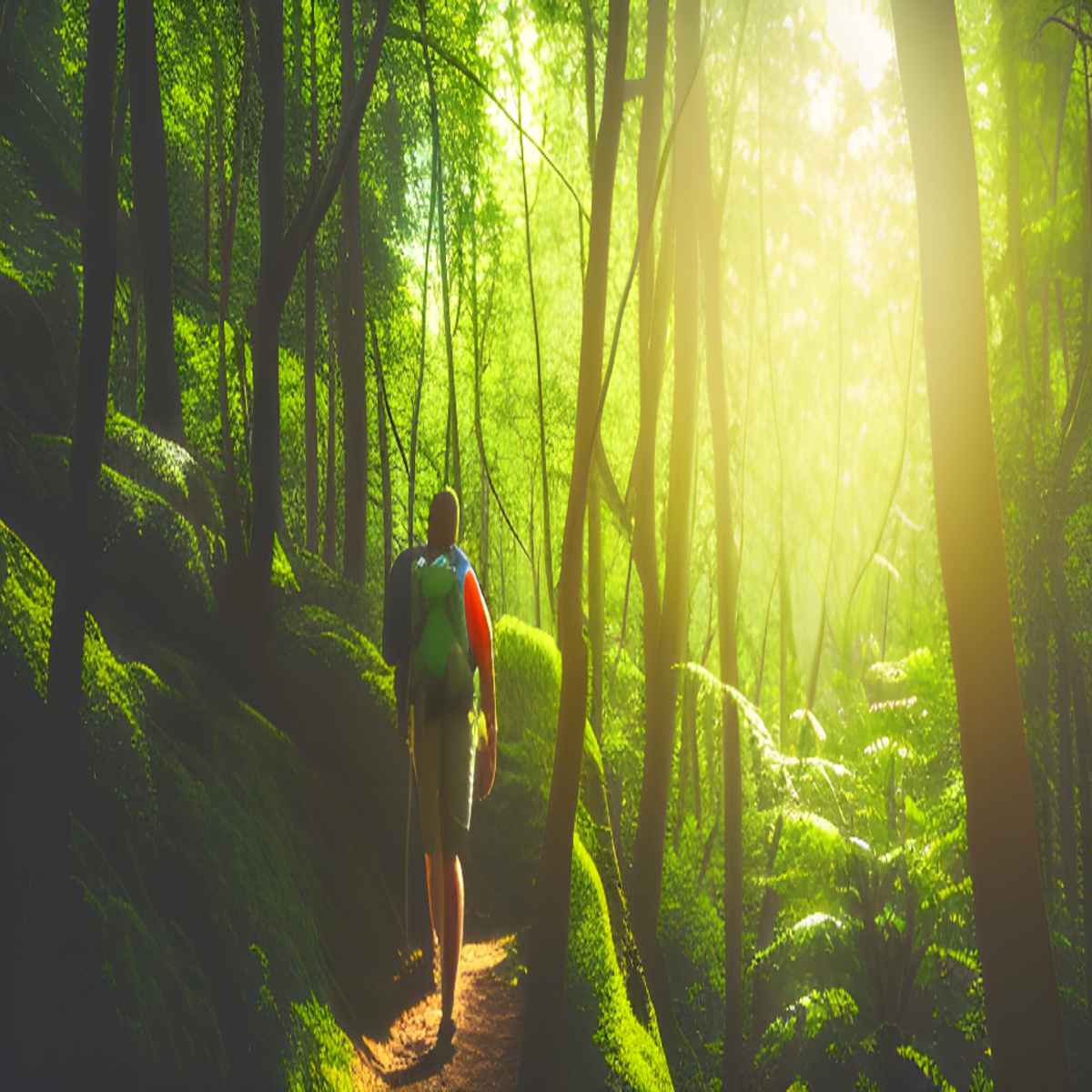
There’s something ironic about outdoor enthusiasts neglecting their wellness. We chase adventures in nature for the health benefits—the fresh air, physical challenge, mental clarity—but then skip sleep, fuel ourselves with junk food, and show up on trail exhausted and underprepared. I’ve been there more times than I’d like to admit.
Real talk: your adventures are only as good as the body and mind you bring to them. Peak experiences require peak preparation, and that preparation extends beyond just training miles or gear checklists. It encompasses hydration, nutrition, sleep, mental fitness, and recovery practices that keep you performing at your best. Drawing from the BetterThisFacts tips by BetterThisWorld framework, this guide breaks down the wellness practices that genuinely elevate outdoor adventures.
Why Wellness Matters for Adventurers
Perhaps this seems obvious, but it’s worth stating explicitly: outdoor adventures place real demands on your body and mind. Hiking steep terrain, carrying heavy packs, navigating in unfamiliar environments, dealing with weather changes, making decisions under fatigue—these aren’t casual activities. They require physical capacity, mental sharpness, and emotional resilience.
When your wellness foundation is weak, everything suffers. You get tired faster, injuries happen more easily, decision-making gets sloppy, and honestly, the whole experience becomes less enjoyable. Conversely, when you prioritize wellness, you show up stronger, recover faster, and handle challenges with greater composure. The adventure you planned actually matches the adventure you experience.
Hydration: The Foundation of Performance
Water is boring to talk about, I know. But chronic dehydration is epidemic among outdoor enthusiasts, and it absolutely tanks your performance. Even mild dehydration—just 2% loss of body weight through fluid loss—impairs cognitive function, reduces endurance, and increases perceived effort. On trail, that translates to being slower, making poorer decisions, and feeling miserable.
Here’s what proper hydration looks like:
- Daily baseline: Drink consistently throughout the day, not just when thirsty. Aim for pale yellow urine as your benchmark.
- Pre-adventure loading: In the 24 hours before a big hike or trip, increase water intake deliberately. Don’t chug a liter right before starting—that just means bathroom breaks. Spread it out.
- On-trail strategy: Drink small amounts frequently rather than gulping large quantities occasionally. Set a timer if needed—every 15-20 minutes, take a few sips.
- Electrolyte awareness: On longer efforts (3+ hours) or hot conditions, plain water isn’t enough. You’re losing sodium, potassium, magnesium through sweat. Use electrolyte tabs, sports drinks, or salty snacks to replace what you’re losing.
I keep a 32-ounce water bottle at my desk and aim to refill it three times during the workday. That’s nearly a gallon before I even consider training or adventure hydration. It’s become automatic—finish the bottle, walk to the kitchen to refill, come back. Simple system, massive impact on how I feel both daily and on trail.

Nutrition: Fueling for Sustained Energy
Food is fuel, but not all fuel burns equally. Outdoor adventures demand sustained energy over hours, which means your nutrition strategy matters—what you eat before, during, and after adventures directly impacts performance and recovery.
Pre-Adventure Nutrition
In the days before a significant adventure, focus on carbohydrate loading if the effort will be long and strenuous (6+ hours). Your muscles store carbohydrates as glycogen, which becomes your primary fuel source during sustained exercise. Topping off those stores means more energy available when you need it.
The morning of your adventure, eat a substantial breakfast 2-3 hours before starting. Something with carbohydrates, moderate protein, and low fiber works well—oatmeal with banana and peanut butter, toast with eggs, bagel with cream cheese. You want energy without the gastrointestinal distress that comes from high-fiber or high-fat meals right before physical effort.
On-Trail Nutrition
During adventures lasting more than 90 minutes, you need to consume calories to maintain energy levels. Aim for 200-300 calories per hour of activity, primarily from easily digestible carbohydrates. Trail mix, energy bars, dried fruit, gels—experiment during training to find what your stomach tolerates.
Don’t wait until you’re starving to eat. By that point, you’re already behind on energy and it’s harder to catch up. Eat small amounts regularly, like hydration—every 30-45 minutes, have a snack.
Recovery Nutrition
Within 30-60 minutes after finishing, consume a combination of protein and carbohydrates. This timing window maximizes muscle recovery and glycogen replenishment. Chocolate milk is actually a solid option—it has the right protein-to-carb ratio and tastes way better than most recovery drinks. Real food works too: turkey sandwich, yogurt with granola, hummus with pita.
Sleep: The Non-Negotiable Recovery Tool
Sleep is when your body repairs tissue, consolidates learning, and regulates hormones. Shortchange your sleep and everything else suffers—training adaptation, immune function, cognitive performance, mood regulation. For adventurers, inadequate sleep is particularly problematic because it impairs the exact skills you need: decision-making under uncertainty, balance and coordination, sustained attention.
Quality sleep for outdoor enthusiasts means:
- Consistent schedule: Same bedtime and wake time every day, even weekends. Your circadian rhythm thrives on consistency.
- Duration matters: Most adults need 7-9 hours. If you’re training hard, you probably need closer to 9. Track how you feel with different amounts and adjust accordingly.
- Environment optimization: Dark room (blackout curtains are worth it), cool temperature (65-68°F is ideal), minimal noise. Your bedroom should be a sleep sanctuary, not a multipurpose space.
- Wind-down routine: 30-60 minutes before bed, shift into low-key activities. Reading, stretching, journaling—whatever signals to your brain that sleep is approaching.
- Screen discipline: Blue light from phones and computers suppresses melatonin production. Either avoid screens entirely before bed or use blue light filters and keep brightness low.
On multi-day adventures where sleep quality suffers (camping in unfamiliar environments, sleeping pads that aren’t quite comfortable, weather disturbances), you need to be even more protective of sleep at home. Banking sleep beforehand and catching up afterward helps maintain overall performance.

Movement and Training: Building Adventure-Ready Fitness
Adventures demand specific physical capabilities. Hiking steep terrain requires leg strength and cardiovascular endurance. Backpacking adds core stability for carrying loads. Scrambling needs balance and flexibility. Your training should target these specific demands rather than generic fitness.
Cardiovascular Base
Most outdoor adventures are aerobic in nature—sustained effort over hours. Build your aerobic base through consistent moderate-intensity training: hiking, running, cycling, swimming. Aim for 3-4 sessions weekly, progressively increasing duration.
Include some high-intensity interval work too, which improves your ability to handle steep climbs and sustained power output. But the foundation is volume at moderate intensity—that’s what builds endurance for long days on trail.
Strength Training
Functional strength prevents injuries and makes everything easier. Focus on:
- Legs: Squats, lunges, step-ups, deadlifts. These directly translate to hiking power, especially with load.
- Core: Planks, side planks, dead bugs, bird dogs. Core stability is crucial for carrying packs and maintaining posture over long distances.
- Posterior chain: Hamstrings, glutes, lower back. These muscles power uphill movement and protect your knees on descents.
Two strength sessions per week is plenty for most outdoor enthusiasts. More time is better spent actually adventuring or doing cardio training.
Mobility and Flexibility
Tight hips, ankles, and shoulders limit movement efficiency and increase injury risk. Daily mobility work—just 5-10 minutes—pays dividends. Hip circles, calf stretches, ankle rolls, shoulder dislocations with a band. Simple movements that maintain range of motion.
I do mobility work right after my morning coffee. It’s become a habit stack—coffee triggers the routine automatically. Some days I feel tight and spend extra time on problem areas. Other days it’s just a quick movement inventory. Either way, it’s done daily, which compounds into real improvements over weeks and months.
Mental Fitness: Building Resilience for Challenging Moments
Physical preparation gets most of the attention, but mental preparation is equally important. Adventures test your psychological resilience—dealing with discomfort, managing fear, maintaining focus when tired, making decisions under uncertainty. These are trainable skills, not fixed traits.
Visualization Practice
Athletes use visualization extensively because it works. Mentally rehearsing challenging scenarios—steep descents, navigation decisions, pushing through fatigue—activates similar neural pathways to actually doing those activities. You’re essentially practicing without the physical cost.
Spend 10-15 minutes before bed visualizing your upcoming adventure. Picture specific challenges you might face and imagine yourself handling them competently. What will you see, hear, feel? How will you respond? Make it vivid and detailed. This mental rehearsal builds confidence and prepares you for actual situations.
Breathing Techniques
Breath control is one of the most effective tools for managing stress and anxiety. Box breathing—4 seconds in, 4 seconds hold, 4 seconds out, 4 seconds hold—activates your parasympathetic nervous system, which counteracts the stress response.
Practice this at home until it’s automatic. Then use it on trail when you feel anxiety rising: before a challenging section, during difficult moments, when you’re feeling overwhelmed. Controlling your breath helps you regain control of your mental state.
Mindfulness in Nature
Being in nature and being present in nature are different things. The latter requires attention—actually noticing the wind, the smells, the sounds, the quality of light. That presence is meditative and restorative.
During adventures, build in moments of intentional awareness. Stop, sit, close your eyes, listen. Notice your breath. Feel the sun or wind on your skin. Five minutes of this kind of mindful presence can reset mental fatigue and restore focus.
For deeper exploration of mental preparation and resilience building, check out this comprehensive guide on developing an adventure mindset for explorers, which expands on psychological skills for handling uncertainty and challenge.

Recovery: The Other Half of Training
Hard training or adventures create stress and fatigue. Growth happens during recovery when your body adapts to that stress. Skip recovery and you just accumulate damage without adaptation. That leads to overtraining, injury, and burnout.
Active Recovery
Light movement on rest days—walking, easy cycling, swimming, yoga—promotes blood flow and clears metabolic waste products without adding significant stress. It’s the sweet spot between complete rest and hard training.
Stretching and Foam Rolling
Post-adventure stretching and foam rolling help manage muscle soreness and maintain flexibility. Spend 15-20 minutes working through major muscle groups, focusing extra attention on areas that feel tight or sore.
Rest Days
Complete rest days are essential. No training, no hard physical work. Your body needs time to rebuild. One or two complete rest days per week depending on training volume and intensity.
Injury Prevention: Staying Healthy for the Long Game
Injuries sideline adventures faster than anything else. Prevention is everything:
- Progressive loading: Increase training volume gradually. The 10% rule—don’t increase weekly volume more than 10% at a time—is conservative but effective.
- Listen to your body: Distinguish between normal fatigue/soreness and pain that signals injury. When in doubt, take an extra rest day.
- Address issues early: That nagging knee pain? See a physical therapist before it becomes a real injury. Small problems become big problems when ignored.
- Proper footwear: Worn-out shoes lose cushioning and support. Replace hiking boots or trail runners every 300-500 miles depending on terrain and your biomechanics.
Integrating Wellness Into Daily Life
These wellness practices work best when they’re habits, not occasional efforts. You don’t “try to hydrate better” for a week before a big adventure—you build consistent hydration as a daily practice that pays dividends constantly.
Start with one area. Maybe it’s sleep—committing to consistent bedtimes and creating a better sleep environment. Get that solid for a month, then layer in another practice. Gradual integration beats trying to overhaul everything simultaneously.
The compound effect of multiple wellness practices maintained over months and years is extraordinary. You’ll recover faster, perform better, stay healthier, and genuinely enjoy adventures more because you’re showing up as your best self.
Conclusion: Wellness as Adventure Enhancement
Wellness isn’t separate from outdoor adventures—it’s the foundation that makes those adventures possible and enjoyable. Proper hydration keeps your brain and body functioning optimally. Good nutrition fuels sustained effort. Adequate sleep enables recovery and sharp decision-making. Training builds the physical capacity for challenging terrain. Mental practices develop the resilience to handle difficult moments. Recovery prevents breakdown and enables long-term participation.
None of this is complicated or expensive. It’s mostly just being intentional about practices that support your goals rather than leaving them to chance. Small, consistent efforts compound into significant improvements in how you feel and perform.
For a complete framework on how wellness integrates with goal-setting, habit formation, and time management to create a sustainable adventure lifestyle, revisit our comprehensive guide to BetterThisFacts tips for outdoor enthusiasts.
Take care of yourself. The mountains aren’t going anywhere, but your body and mind need consistent attention to keep showing up strong for the adventures ahead.
Now get out there—properly hydrated, well-rested, and ready for whatever the trail throws at you.





Leave a Reply