
Mount Zion stands as one of Washington’s most rewarding short day hikes, delivering sweeping Olympic Mountain views and spectacular spring wildflower displays in just 4.2 miles round trip. This 2.1-mile ascent gains about 1,340 feet of elevation through dense evergreen forest before breaking into meadows famous for their Pacific rhododendron blooms—Washington’s state flower. What makes Mount Zion particularly appealing is its accessibility for beginners and families who want a genuine mountain hiking experience without the grueling distances or technical challenges found on many Washington peaks.
Located near Quilcene in Olympic National Forest, Mount Zion offers an ideal introduction to Olympic Peninsula hiking while serving as excellent training for more ambitious adventures. The trail rewards moderate effort with panoramic vistas across the Olympic Mountains and Puget Sound, making it a perfect choice for those seeking big mountain views without committing to an all-day epic. This guide is part of our Ultimate Day Hikes Near Me Washington, where we explore the best trails across Washington for every skill level and hiking goal.
Mount Zion Trail Overview (Quick Facts)
- Distance: 4.2-4.6 miles round trip (varies by route taken)
- Elevation Gain: ~1,340 feet
- Difficulty: Easy to moderate
- Trail Type: Out-and-back with optional ridge extensions
- Trailhead: Near Quilcene, WA, in Olympic National Forest
- High Point: 4,274 feet
- Best for: Families, beginners, short day hikes, spring wildflower viewing
- Dog-friendly: Yes, dogs allowed on leash
Quick Comparisons
- If you’re looking for a longer alpine ridge experience, see the Skyline Divide Trail
- If you prefer something adventurous and cliffside, try Kendall Katwalk
Mount Zion provides multiple route options, with the standard approach being the most family-friendly choice. Advanced hikers can tackle steeper alternatives like the Snow Creek Trail (more elevation gain) or Deadfall Trail (longer but less steep). The standard route described here offers the best balance of accessibility and scenic rewards.
Getting to the Trailhead
- From Seattle (2 hours): Take I-5 north to Olympia, then follow US-101 north around the Olympic Peninsula. About 6 miles north of Quilcene, turn left (west) onto Lords Lake Loop Road and follow signs toward Mount Zion trailhead.
- From Tacoma (2 hours): Similar route via US-101, but with shorter drive time to reach the Olympic Peninsula.
- From Port Angeles (1.5 hours): Take US-101 east and south to the Lords Lake Loop Road turnoff north of Quilcene.
Detailed Directions:
From US-101, take Lords Lake Loop Road for 3.4 miles to Lords Lake, then turn left onto Forest Service Road 28. Continue on FS Road 28 for approximately 5 miles to Bon Jon Pass, staying right at the pass onto unmarked Forest Road 2810. Drive 2 more miles to reach the Mount Zion/Sleepy Hollow Trailhead.
Road Conditions & Parking:
The access road transitions from paved to gravel for the final sections, but remains accessible to standard vehicles. The small trailhead parking area accommodates roughly 15-20 vehicles and fills quickly on weekends during rhododendron season (late May through June). Arriving by 8:00 AM during peak wildflower season helps ensure parking availability.
Permits Required:
A Northwest Forest Pass ($5 daily or $30 annual) is required for parking. Frequent hikers can save money with an annual NW Forest Pass, which works at dozens of Washington trailheads throughout Olympic National Forest and beyond.
Trail Experience – Step by Step
Forested Beginning (Mile 0-1.5)
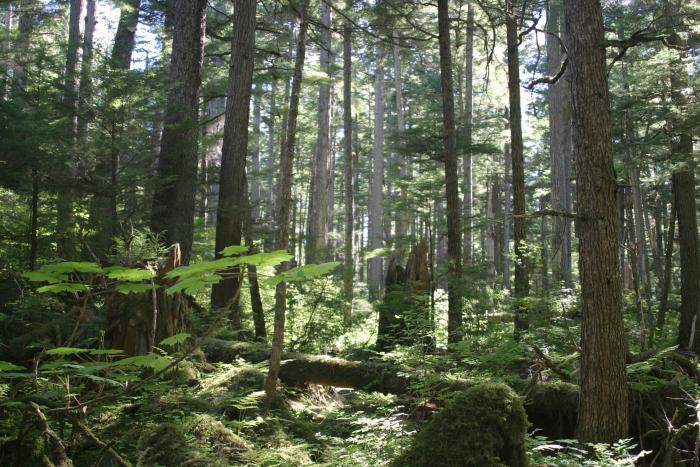
The Mount Zion trail begins immediately across the road from the parking area and starts climbing almost right away through dense Pacific Northwest forest. The initial section winds through towering Douglas fir, western hemlock, and Pacific silver fir, creating that classic Olympic Peninsula atmosphere with moss-draped branches and lush understory vegetation including salal and Oregon grape.
What makes this early section particularly special during late spring is the presence of wild Pacific rhododendrons (Rhododendron macrophyllum) lining the trail. These aren’t the cultivated garden varieties most people know—these are native wild rhododendrons that can reach 15-20 feet tall, creating natural tunnels of pink and white blooms when conditions are right.
The trail grade varies throughout this section, with some flatter stretches interspersed among steeper climbs, making the elevation gain feel less relentless than a straight uphill slog. This design makes Mount Zion accessible to newer hikers while still providing a good workout.
Switchbacks & Moderate Climb (Mile 1.5-2.0)
As the trail continues upward, it becomes more open with views beginning to peek through the forest canopy. The path remains well-maintained with clear tread, though some rocky sections require careful footing. This middle section provides excellent practice for beginning hikers who want to experience sustained elevation gain without the technical challenges found on more advanced trails.
During summer months, this section can be buggy—the dense forest provides ideal habitat for mosquitoes and biting flies. Bug spray becomes essential gear during July and August. However, the forest also provides welcome shade during hot weather, making Mount Zion a good choice when more exposed trails become uncomfortably warm.
Summit Views & Ridge Options (Mile 2.0+)
The official summit of Mount Zion sits in forest with limited views, but this is where the trail becomes interesting for those wanting to explore further. About a quarter-mile before reaching the true summit, watch for spur trails that lead to much better viewpoints along the rocky ridge.
The main spur trail leads northwest along a precipitous ridge to views across the island-dotted Salish Sea, with the snowy Cascade peaks visible on clear days—including glimpses of Mount Baker, Mount Shuksan, and Mount Rainier through the trees. Another spur heads southeast to commanding views of Mount Townsend, Gray Wolf Ridge, and deeper Olympic Mountains.
A lightweight daypack is perfect for this section—you’ll want to carry snacks and plenty of water to enjoy during your summit break while taking in the panoramic views. The rocky outcrops provide excellent spots for lunch and photos, though be careful near the drop-offs.
Best Time to Hike Mount Zion
Spring (May-June): Famous Rhododendron Season
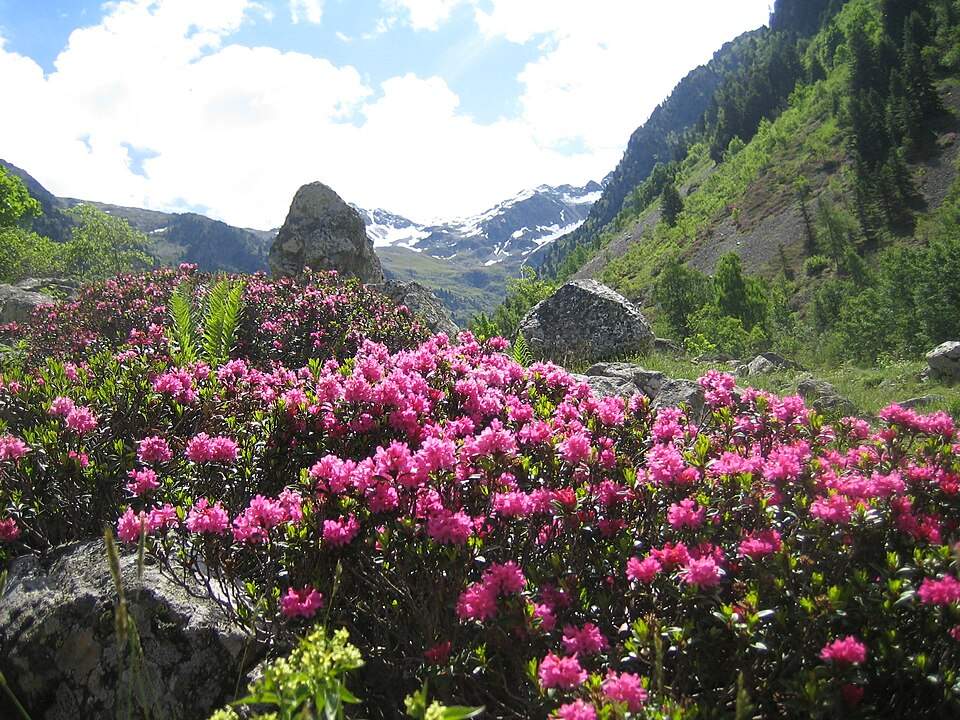
Mount Zion’s claim to fame is its spectacular Pacific rhododendron displays, typically peaking from late May through mid-June. The exact timing varies by year depending on winter snowpack and spring weather patterns—2025’s warm spring may bring earlier blooms than usual. Early June traditionally offers the most reliable peak blooming, with massive pink and white flower clusters creating tunnel-like displays along the trail.
Summer (July-August): Clear Views, Buggy Conditions
Summer provides the most reliable weather and clearest mountain views, though temperatures on the Olympic Peninsula remain cooler than inland areas. This makes Mount Zion an excellent choice when higher elevation hikes become too hot or when snow still blocks access to alpine destinations. However, summer also brings peak bug season—mosquitoes and flies can be quite aggressive in the dense forest sections.
Fall (September-October): Vibrant Colors, Fewer Crowds
Fall hiking on Mount Zion offers several advantages: brilliant autumn colors, significantly fewer crowds, stable weather, and comfortable temperatures. The rhododendron foliage turns various shades of yellow and red, while other understory plants contribute to a spectacular fall display. September often provides some of the best overall hiking conditions of the year.
Winter Considerations:
Mount Zion occasionally remains accessible during mild winter conditions, though snow and ice are possible above 3,000 feet. The lower elevation and Olympic Peninsula’s marine climate make it more likely to remain snow-free than higher elevation alternatives.
For another spring flower experience with alpine meadows, explore Skyline Divide near Mount Baker. For an autumn alpine ridge hike with larch trees, consider Kendall Katwalk along the Pacific Crest Trail.
What to Pack for Mount Zion
Footwear
Trail Shoes vs. Lightweight Hiking Boots
Mount Zion’s well-maintained trail and moderate distance make it suitable for either trail running shoes or lightweight hiking boots, depending on your preferences and experience level. The trail surface consists mainly of dirt and duff with some rocky sections, but nothing that requires aggressive tread or heavy-duty ankle support.
Trail runners work well for experienced hikers who prioritize comfort and lighter weight over maximum protection. They dry faster if you encounter morning dew on vegetation and provide better ground feel for the generally smooth trail surface.
Waterproof hiking boots offer advantages during the wet Olympic Peninsula conditions that can occur even in summer. Morning dew often soaks trail-side vegetation well into the day, and sudden showers are always possible. The extra ankle support can also be helpful for less experienced hikers, particularly during the descent when fatigue sets in.
Daypack & Hydration
- Small Pack (15-20L): Mount Zion’s short distance makes it ideal for smaller daypacks that won’t feel cumbersome during the climb or ridge walking. A 15-20 liter pack provides adequate space for water, snacks, extra layers, and safety equipment without unnecessary bulk.
- Hydration (1-2 liters): The 4.2-mile round trip distance and moderate elevation gain require less water than longer hikes—1-2 liters typically suffices for most people in moderate weather. However, carry extra during hot weather or if you plan to spend significant time exploring the ridge viewpoints.
Hydration bottles work well for this distance, though small hydration bladders provide convenience for steady drinking during the sustained climbs. No reliable water sources exist along the trail, so bring everything from the trailhead.
Clothing & Weather Protection
The Olympic Peninsula’s marine climate creates rapid weather changes, even during seemingly stable conditions. A lightweight rain jacket deserves priority in your pack—afternoon showers can develop quickly, and the forest provides limited shelter from sudden downpours.
A simple layering system handles most Mount Zion conditions: moisture-wicking base layer (avoid cotton), lightweight fleece or synthetic mid-layer for cool mornings, and packable rain shell for weather protection. The relatively low elevation and forest environment make this less demanding than alpine destinations, but preparation remains important.
Optional Gear
- Trekking Poles: While not essential for most hikers, trekking poles can be helpful for those with knee sensitivities or anyone wanting extra stability during the descent. The trail’s moderate grade and good footing make poles optional rather than necessary.
- Binoculars: Compact binoculars enhance the summit experience, allowing better identification of distant peaks and wildlife viewing. The ridge viewpoints provide excellent opportunities for spotting birds and observing details of the surrounding mountain ranges.
- Bug Protection: Bug spray becomes essential during summer months (July-August) when mosquitoes and biting flies are most active in the dense forest sections. Consider lightweight pants and long sleeves if you’re particularly sensitive to bugs.
Tips for Hiking Mount Zion
- Arrive Early for Parking: The small trailhead parking area fills quickly, especially during rhododendron season and summer weekends. Plan to arrive by 8:00 AM during peak periods to secure parking and enjoy cooler temperatures for the climb.
- Trail Conditions & Navigation: Mount Zion’s well-established trail requires minimal navigation skills, though downloading offline maps (AllTrails, Gaia GPS) provides backup for the various spur trails near the summit. The main trail is obvious, but the ridge extensions require attention to avoid getting off-route on various user paths.
- Perfect Training Hike: Mount Zion serves as an excellent stepping stone for building fitness and confidence before tackling more demanding Washington hikes. The sustained elevation gain provides good cardiovascular training, while the moderate distance allows recovery without excessive fatigue.
When you’re ready for a more challenging alpine adventure, consider Big Heart Lake, which offers remote wilderness and pristine alpine lake destinations in a full-day adventure. For another ridge hike closer to Seattle along the I-90 corridor, try Dirty Harry’s Peak, which provides more technical scrambling and steeper elevation gain.
Flora, Wildlife & Photography
- Pacific Rhododendrons: Mount Zion’s star attraction is its exceptional Pacific rhododendron displays during late spring and early summer. These native shrubs (Rhododendron macrophyllum) represent Washington’s state flower and create spectacular pink and white tunnel effects along portions of the trail. Unlike cultivated garden varieties, wild rhododendrons grow much larger—often 15-20 feet tall—and bloom slightly earlier than their hybrid cousins.
- Other Seasonal Highlights: Beyond rhododendrons, Mount Zion supports diverse Olympic Peninsula flora including Oregon grape, salal, various ferns, and seasonal wildflowers. Fall brings brilliant color changes in the understory vegetation, while year-round moss and lichen growth on trees creates that quintessential Pacific Northwest forest atmosphere.
- Wildlife: Common wildlife sightings include deer (particularly at dawn and dusk), various bird species, and smaller forest creatures like chipmunks and squirrels. The Olympic Peninsula’s diverse ecosystem supports larger wildlife including elk and black bears, though encounters on Mount Zion are relatively rare due to the trail’s moderate elevation and popularity.
- Photography Opportunities: The rhododendron blooms provide spectacular macro and landscape photography opportunities, particularly when backlit during golden hour conditions. The ridge viewpoints offer excellent opportunities for wide-angle landscape shots of the Olympic Mountains and Puget Sound. Consider lightweight camera gear or smartphone stabilizers for capturing both close-up flower details and expansive mountain vistas.
Permits, Safety & Leave No Trace
- Northwest Forest Pass Required: All vehicles parking at the Mount Zion trailhead require a valid Northwest Forest Pass ($5 daily or $30 annual) or equivalent (America the Beautiful Pass, Senior Pass, etc.). The pass system supports trail maintenance and facilities throughout Olympic National Forest.
- Basic Safety Considerations: While Mount Zion poses minimal objective hazards, basic mountain safety principles still apply. Carry navigation tools (map, compass, smartphone with offline maps), basic first aid supplies, extra food and water, and weather protection. The ridge viewpoints near the summit involve some exposure—keep children and pets close to avoid accidents.
- Trail Etiquette & Conservation: Mount Zion’s popularity, especially during rhododendron season, makes careful Leave No Trace practices essential. Stay on established trails even when they’re muddy, pack out all trash including food scraps, and resist the temptation to break branches or pick flowers for photos. The rhododendron groves are particularly fragile and slow to recover from damage.
Keep dogs leashed both for wildlife protection and to prevent them from chasing or disturbing other hikers. The trail crosses through watershed areas that provide drinking water to local communities, making water quality protection particularly important.
Alternative Hikes to Mount Zion
- For Easier Family Options: Olympic National Park offers numerous shorter forest walks and nature trails that require minimal elevation gain while still providing beautiful Pacific Northwest forest experiences.
- For More Alpine Scenery: Skyline Divide near Mount Baker delivers spectacular ridge walking with panoramic mountain views, though it requires significantly more driving time from population centers.
- For Longer Day Hikes: Panhandle Gap in Mount Rainier National Park provides the ultimate high-alpine day hiking experience, with glacier views and dramatic mountain terrain for those ready to tackle more demanding adventures.
- For Moderate Ridgeline Exposure: Kendall Katwalk along the Pacific Crest Trail offers famous granite ledge walking with excellent views, representing a good next step up in difficulty from Mount Zion.
Conclusion – Is Mount Zion Worth It?
Mount Zion delivers exceptional value for hikers seeking big mountain views without the enormous time and energy commitments required for Washington’s more demanding peaks. The combination of accessible distance, moderate elevation gain, spectacular spring wildflower displays, and panoramic summit views makes it an ideal choice for families, beginning hikers, or anyone wanting a rewarding mountain experience in a half-day timeframe.
This trail excels as both a destination in its own right and as training for more ambitious adventures. The sustained elevation gain builds fitness and confidence, while the various ridge extensions allow you to customize the difficulty to match your goals and energy level.
Mount Zion is just one of many incredible hikes we cover in our Washington Day Hikes Guide—explore the full list to find your next adventure, whether you’re seeking shorter family-friendly options or challenging full-day alpine adventures.
Make sure you’ve got comfortable boots or trail shoes, a lightweight daypack, and adequate water before you head up Mount Zion. The Olympic Mountain views and spring rhododendron displays await, offering a perfect taste of what makes Washington such an extraordinary hiking destination.



Leave a Reply