

What You’ll Experience at Alabama Civil Rights Sites
Here’s what tends to surprise people: these stops aren’t isolated “attractions.” They connect. A church is a landmark, yes, but it’s also a community space. A bridge is a structure, sure, but it’s also a symbol that still carries emotion.
- Movement history told through museums, memorials, and preserved sites.
- Walkable clusters (especially in Birmingham) that make planning easier than you’d expect.
- Opportunities for reflection that don’t feel staged—if you let the day breathe.
Before You Go: A Few Practical, Human Tips
I think it helps to plan this trip the way you’d plan something meaningful, not merely “fun.” You’ll be walking, reading, listening, and sometimes just sitting with what you’ve learned. That takes energy.
- Build in breaks. Museum days can feel heavy; a quiet coffee stop is not wasted time.
- Start earlier than you think. Heat and crowds both rise quickly, especially in spring and summer.
- Check hours the day you go. Operating schedules can change for events, maintenance, or holidays.
- Pack water and comfortable shoes. You’ll likely do more walking than your itinerary suggests.
And a small etiquette note—because it matters. Keep voices low at memorials, don’t treat everything like a photoshoot, and let the mood of the space set the pace. You can still take photos when allowed. Just do it with care.
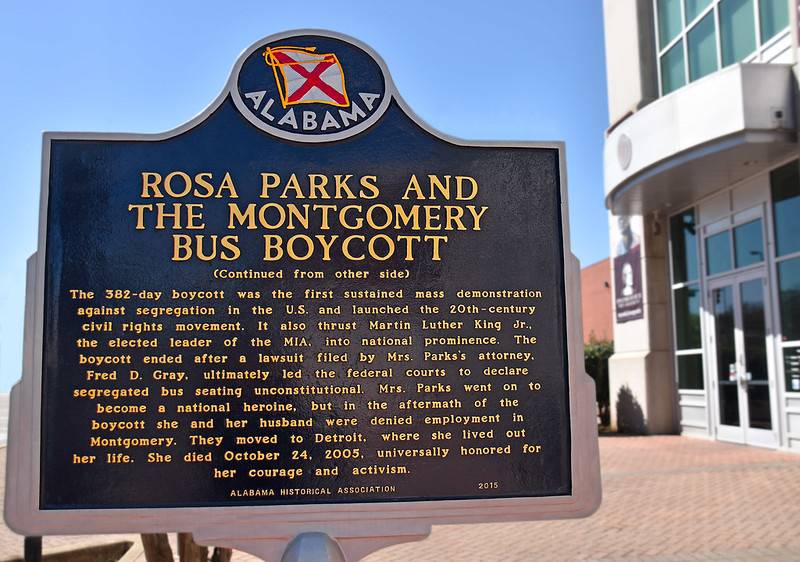
Montgomery: Start Where So Many Stories Converge
Montgomery is a natural starting point because it layers key sites close together. The challenge is not finding places to visit—it’s choosing a pace that lets you actually absorb them.
Rosa Parks Museum
This is a strong opener for many travelers because it’s concrete and personal. It puts names, decisions, and everyday pressure into focus, which can make the rest of the route feel more coherent.
National Memorial for Peace and Justice and the Legacy Museum
These two are often paired for a reason. Together, they push beyond “what happened” into “what it meant then” and “what it shaped afterward.” If you do them back-to-back, plan a decompression break in between—walk, sit, drink water, whatever helps you reset.
If you want official visitor details, start with the National Memorial for Peace and Justice page, then connect it with the Legacy Museum while you’re already in the same frame of mind.
Dexter Avenue King Memorial Baptist Church
This stop adds leadership context and brings a different texture than a museum. It can feel quieter, but not “lighter,” if that makes sense. If you can join a guided or staff-led experience, it’s usually worth it.
Freedom Rides Museum
If you have the time and emotional bandwidth, this is a strong addition. It rounds out the Montgomery story and helps connect local sites to a broader national movement.

Birmingham: The Walkable Triangle That Hits Hard
Birmingham is one of the easiest cities to plan logistically because several major sites sit close together. Emotionally, though, it can be intense—so I’d treat it like a full day even if the map makes it look like a half day.
Birmingham Civil Rights Institute
This is the anchor stop for many visitors. It provides the narrative structure that makes nearby landmarks more understandable once you’re standing in front of them. For official updates and visitor details.
16th Street Baptist Church
This is a place where you’ll likely pause longer than planned. If you can, read about the church before your visit, then arrive without trying to “power through.” You don’t need to be an expert to feel the significance here.
Kelly Ingram Park
Because it’s outdoors, this stop can feel like a breath of air. But it also makes history feel immediate—public space, public pressure, public courage. Go slow. Walk the paths. Let the experience land.
Selma: Walking the Edmund Pettus Bridge
Selma is smaller, and in a way that makes it feel even more personal. People often arrive expecting “a quick look at the bridge” and leave realizing it didn’t feel like a quick anything.
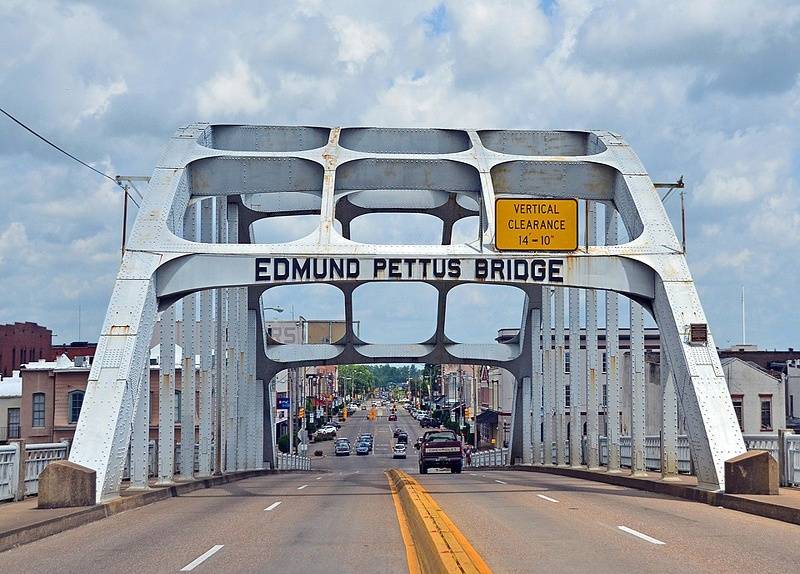
Edmund Pettus Bridge
Walk it slowly. There’s no prize for crossing fast. If you’re there in the morning, you may get a quieter experience, which helps if you’re trying to reflect instead of just documenting a trip.
For verified context on the route and why it matters, the National Park Service overview of the Selma to Montgomery National Historic Trail is a reliable resource.
Suggested Routes (Weekend and 3-Day Options)
Weekend: Montgomery + Birmingham (Most efficient first trip)
Day 1 (Montgomery): Start at the Rosa Parks Museum, then do the National Memorial for Peace and Justice and the Legacy Museum, finishing with Dexter Avenue King Memorial Baptist Church if time and schedules allow.
Day 2 (Birmingham): Birmingham Civil Rights Institute, then 16th Street Baptist Church, then Kelly Ingram Park. If you can, leave a little time at the end of the day for a quiet dinner—your brain will still be working.
3 Days: Add Selma without rushing
Day 1: Montgomery core sites, paced with a break.
Day 2: Morning in Selma (bridge walk), then drive onward.
Day 3: Birmingham triangle with enough time to read, not just glance.
Where to Stay (Simple Strategy)
You can absolutely do this trip with one “home base,” but it often feels better split into two overnights—one near Montgomery and one near Birmingham. That said, if you’re the type who prefers unpacking once, staying in Montgomery and day-tripping is workable. It’s not perfect, but it’s doable.
- For a Montgomery-focused start, stay near downtown so early mornings are easier.
- For Birmingham, choose a central area so you can park once and walk between sites.
- For Selma, most people visit as a short day stop rather than an overnight.
Timing, Weather, and Energy
Spring and fall are often the easiest seasons for walking-heavy days, though school trips can increase crowds. Summer visits can still work, but you’ll want earlier starts, more water, and a willingness to slow down. In winter, you may get a quieter experience—just with shorter daylight hours.
If you’re pairing this trip with other parts of the state, consider balancing heavy museum days with something restorative afterward. For many travelers, the Alabama coast is the reset button—if that’s your plan, you might like our Alabama Gulf Coast Guide as a gentle add-on.
How to Visit Respectfully (Without Overthinking It)
It’s easy to worry about “doing it wrong.” The truth is, the basics carry you far: listen more than you talk, don’t interrupt other people’s quiet moments, and remember you’re visiting places that still hold living community meaning.
- Keep conversations low at memorials and inside museums.
- Avoid intrusive photography; follow posted rules and staff guidance.
- Give yourself permission to step outside if you feel overwhelmed.
- If traveling with kids, preview the day and set expectations gently.
If You Have Extra Time (A Few Add-Ons)
If you’re extending beyond civil rights sites, Huntsville can be a smart contrast—history and reflection followed by science and curiosity. The shift in tone is real. It can feel like opening a window.
Try adding the Huntsville Space & Rocket Center Itinerary if you want something family-friendly that still feels meaningful in a different way.
And if you’re building a wider trip, the main “big picture” guide to what is Alabama known for helps you connect civil rights history with beaches, music, and food without turning your itinerary into a mess.
FAQs
Is this a good trip if I only have one weekend?
Yes. The Montgomery + Birmingham weekend route is the best “first pass,” and it still feels complete. Selma is important, but it’s better added when you can give it a morning without rushing.
Do I need guided tours?
You don’t need them, but they can add depth—especially at sites where local interpretation adds nuance you won’t get from exhibit text alone. If a docent-led tour is available, I usually recommend taking it.
Can I do this with kids?
Often, yes—depending on age and temperament. Keep days shorter, choose one major museum per day, and plan breaks. It’s okay if the trip becomes less “complete” and more “age-appropriate.”


Leave a Reply