
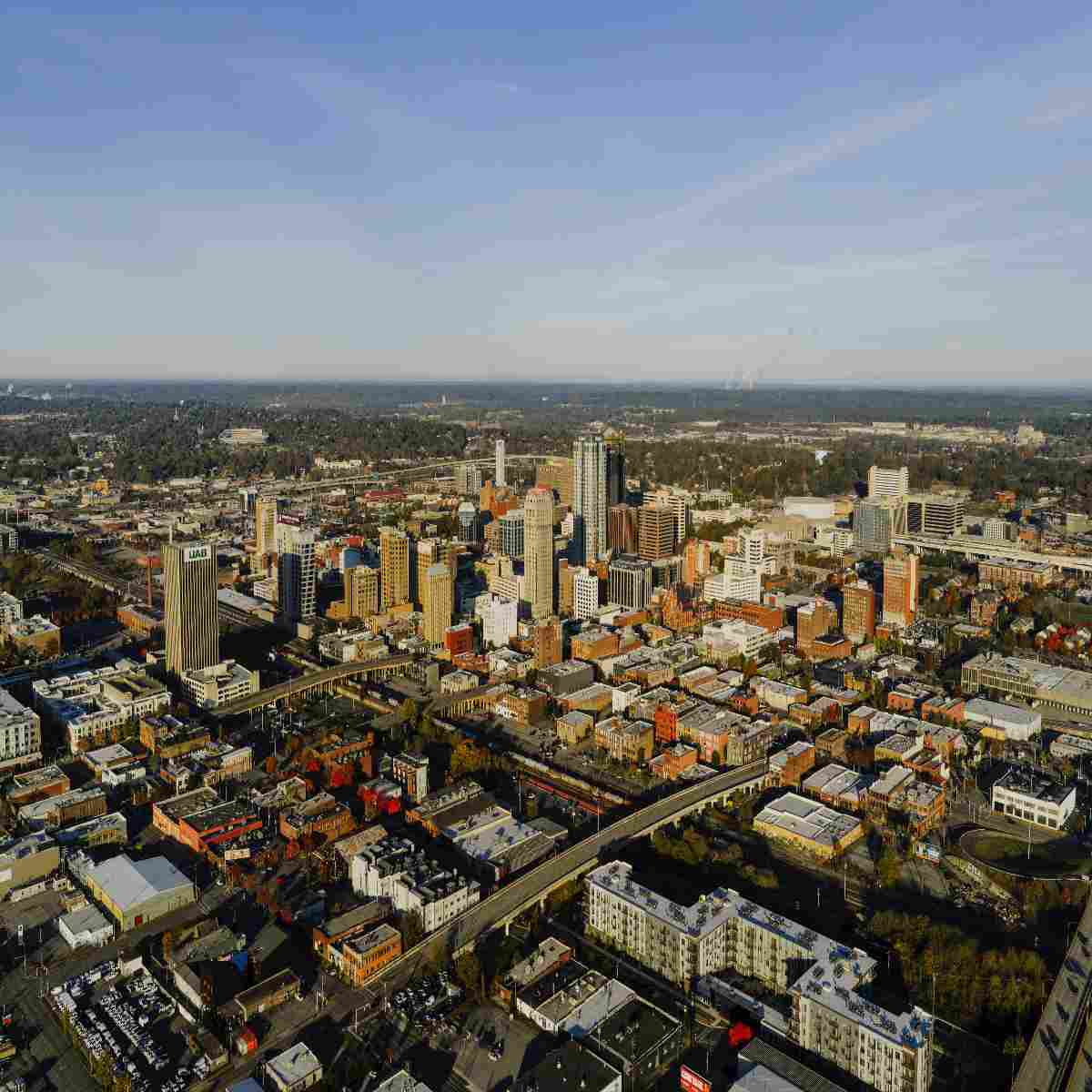
What Is Alabama Known For: The Essentials
- Civil Rights heritage across Montgomery, Birmingham, and Selma—museums, memorials, and living neighborhoods.
- Space and rocketry in Huntsville—U.S. Space & Rocket Center, Saturn V, and a modern innovation cluster.
- Music legacy—Muscle Shoals sessions at FAME and Muscle Shoals Sound Studio, with echoes of blues, soul, and country.
- Coast and outdoors—Gulf Shores, Orange Beach, Dauphin Island; Little River Canyon, Cheaha, DeSoto, Cathedral Caverns.
- Food culture—white BBQ sauce, fried green tomatoes, Gulf oysters, catfish, meat-and-three, Lane cake.
- Identity and events—Mobile’s Mardi Gras, the Iron Bowl, and a communal sense of hospitality that feels, well, immediate.
Quick facts: Capital—Montgomery. Largest city—Huntsville. Oldest city—Mobile. Nicknames—Yellowhammer State and Heart of Dixie. Terrain—Appalachian foothills down to the Gulf of Mexico. College football—very real, and very loved.
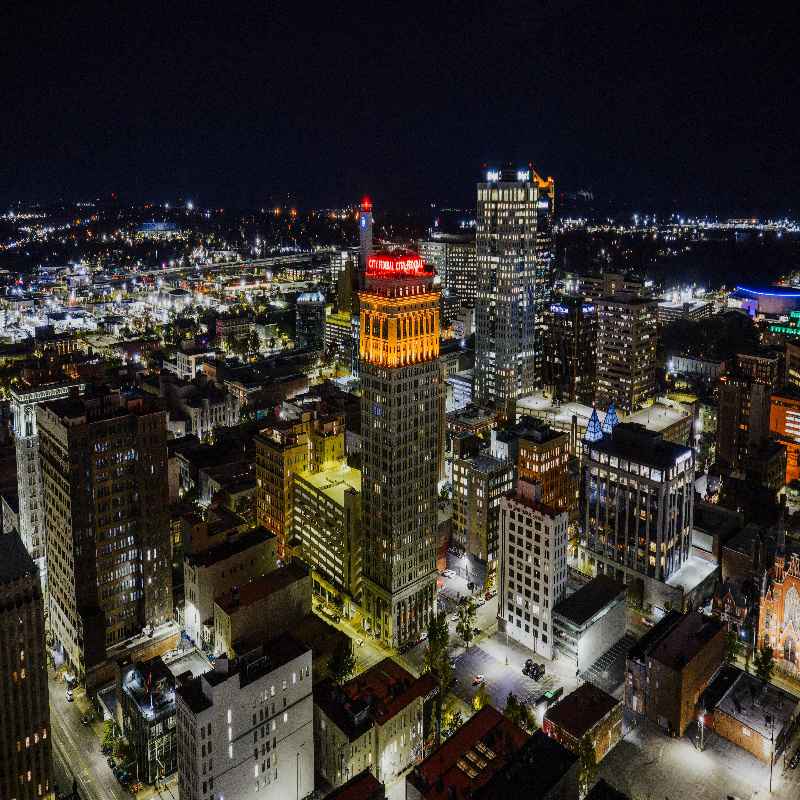
What Is Alabama Known For: Civil Rights Legacy You Can Walk Through
It’s one thing to read history; it’s another to stand on the Edmund Pettus Bridge and feel a quiet weight on your shoulders. The civil rights story here isn’t tucked behind glass—it’s in the streets, churches, and crossings. Give it time; a rushed hour doesn’t do it justice.
Birmingham
Plan a triangle of sites: the Birmingham Civil Rights Institute, 16th Street Baptist Church, and Kelly Ingram Park. They sit steps from one another, which makes reflection flow naturally. Consider a docent-led tour if available—it adds context that signs alone can’t.
Montgomery
Start at the Rosa Parks Museum, then pair the National Memorial for Peace and Justice with the Legacy Museum. The experience is powerful—build in decompression time. Dexter Avenue King Memorial Baptist Church offers a clear window into movement leadership, and if you have an extra hour, the Freedom Rides Museum rounds out the narrative.
Selma
Walk the Edmund Pettus Bridge slowly; there’s no need to rush. If you’re driving from Montgomery, an early start helps you avoid the heat and gives space for conversations that, perhaps, spill into lunch. It’s the kind of day that lingers.
Planning deep dive? See a respectful, route-by-route companion: Alabama Civil Rights Sites: Plan a Thoughtful Trip.

What Is Alabama Known For: Space, Rockets, and the Huntsville Edge
Huntsville’s skyline has a way of surprising first-timers—a Saturn V isn’t subtle. The U.S. Space & Rocket Center blends big hardware with hands-on exhibits that are genuinely engaging, especially if you arrive before school groups. If you’re traveling with kids, a two-hour window often becomes four, which is a nice kind of problem.
- Highlights: Saturn V hall, Rocket Park, simulators, rotating special exhibits.
- Tips: Book tickets ahead on weekends; arrive near opening; budget time for the planetarium if schedules align.
- Nearby: Lowe Mill ARTS & Entertainment (for a breather), Huntsville Botanical Garden (quiet paths, seasonal blooms).
Want a ready-made plan? Try this family-friendly itinerary: Huntsville Space & Rocket Center: 2-Day Science Trip.
What Is Alabama Known For: The Muscle Shoals Sound
Small towns, big records. In the Shoals, studios like FAME and Muscle Shoals Sound Studio turned out songs that redefined soul and rock. The fun part is how unpretentious the places feel—almost ordinary until someone tells a studio story that stays with you on the drive back.
- Tour both studios if time allows; each has a tone and a lore of its own.
- Pair with the W. C. Handy Home & Museum in Florence to connect threads from blues to soul.
- Add Rosenbaum House (Frank Lloyd Wright) for an unexpected architectural swerve.
What Is Alabama Known For: Beaches, Bays, and Barrier Islands
Gulf Shores and Orange Beach offer wide, white-sand beaches that feel made for families—easy parking, gentle surf most days, and plenty of seafood within a short drive. Dauphin Island is quieter, often better for birding and mellow afternoons; sunsets can be oddly cinematic.
- Best months: late spring and fall (lighter crowds, friendlier temperatures).
- Family tip: Bring shade and plan indoor breaks midday; heat and humidity build quickly in summer.
- Mobile Bay detour: Fairhope’s pier is a simple joy, especially around golden hour.
For timing, packing, and sample days, use: Alabama Gulf Coast: Best Time to Visit & Itineraries.
What Is Alabama Known For: Canyons, Caves, and High Points
If you think “flat,” you’ll be pleasantly wrong. Little River Canyon cuts through sandstone with viewpoints that don’t require a marathon. Cheaha State Park (the state’s high point) layers in overlooks and short trails, and Cathedral Caverns turns the temperature down while turning the drama up.
- Little River Canyon: Scenic drive plus short walks to overlooks.
- Cheaha: Bald Rock Boardwalk (easy), Pulpit Rock (short and rewarding).
- Cathedral Caverns: Guided tours; bring a light layer.
What Is Alabama Known For: Food You’ll Remember
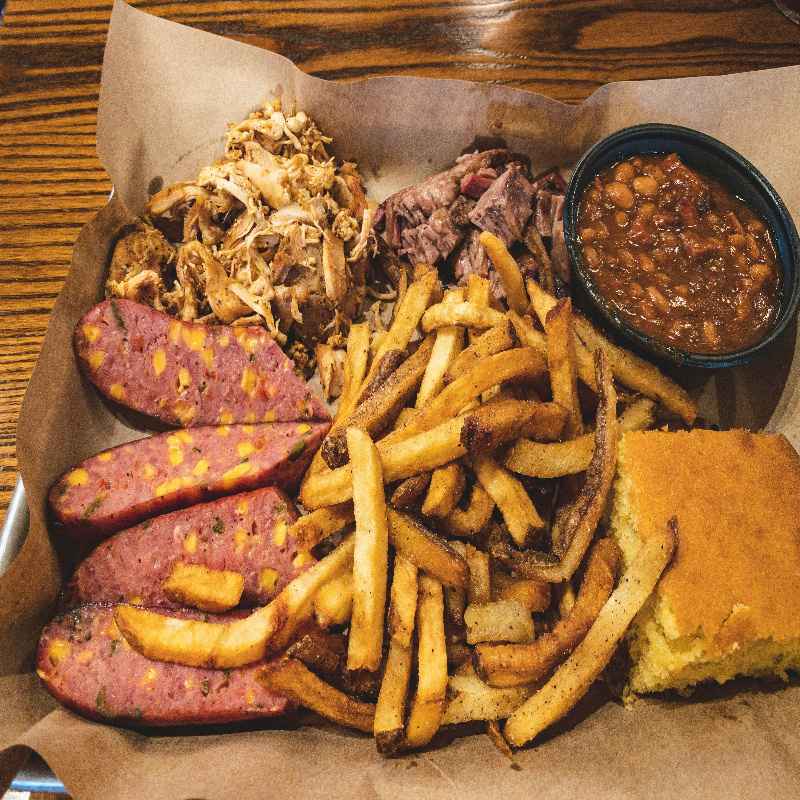
There’s a throughline of comfort here—meat-and-three plates where the sides matter as much as the mains, barbecue that leans smoky and friendly, coastal menus where oysters and shrimp are the headliners. If you’re curious, try a little of everything; it’s not a cheat day if it’s research.
- White BBQ sauce: tangy, mayo-based, built for smoked chicken and, frankly, fries.
- Fried green tomatoes: crisp outside, bright inside; often with a remoulade or comeback sauce.
- Gulf seafood: oysters, shrimp, and grouper—simple preparations let freshness talk.
- Catfish and hushpuppies: river and tradition on one plate.
- Lane cake: layered, a little nostalgic, and very Alabama.
For coastal specifics and seasonal tips, drop into the beach guide linked above. For an all-in weekend that mixes food with history, the civil rights route pairs naturally with classic meat-and-three stops.
What Is Alabama Known For: Mobile’s Mardi Gras
Older than New Orleans, Mobile’s Mardi Gras is festive but often more family-friendly in feel. Parades, throws, moon pies—it’s joyful, and booking early saves stress. If crowds aren’t your thing, catch a single day and spend the rest exploring historic streets and the waterfront.

What Is Alabama Known For: Football, Motorsports, and Festivals
Yes, football: the Iron Bowl, Saturdays that feel like holidays, and a sense of belonging that flicks on the stadium lights. Motorsports at Talladega scratch a different itch—speed, spectacle, and tailgates that turn acquaintances into friends. Summer brings music to the coast, with big stages and bigger crowds.
Two- to Five-Day Itineraries
Weekend: Civil Rights Route
Day 1 in Montgomery (Rosa Parks Museum, National Memorial for Peace and Justice, Legacy Museum), Day 2 Birmingham triangle (Institute, 16th Street Baptist, Kelly Ingram Park). If you have a third morning, add Selma’s bridge—leave early; it’s worth the quiet drive.
3 Days: Space & Shoals
Day 1: U.S. Space & Rocket Center with an early arrival. Day 2: Huntsville’s gardens and a slow lunch at Lowe Mill. Day 3: Muscle Shoals studio tours plus W. C. Handy—let the stories breathe between stops.
5 Days: Coast & Culture
Mobile’s historic core and Mardi Gras lore, then Gulf Shores/Orange Beach for sand time, a Dauphin Island day for birding and forts, and a final sunset in Fairhope. Sprinkle in seafood and one unrushed porch-sit.
Practical Planning
- When to go: spring and fall balance temperatures and crowds; summer is beach‑busy; winter can be quietly lovely inland.
- Getting around: a car helps; distances are manageable but public transport is limited for most routes.
- Weather: coastal hurricane season requires a flexible mindset; inland summers mean shade, water, and a slower pace.
- Respect: at memorial sites, photos are fine when allowed—but voices low, phones away; let the space lead.
FAQs
Is Alabama safe to visit?
Generally, yes—choose well-trafficked areas, mind local guidance, and use the same common sense you would in any unfamiliar city or outdoor area.
How many days do I need?
A focused weekend works, but three to five days unlocks a balanced picture—history, space, beaches, and food without rushing.
Where should I start if I’m overwhelmed?
Pick a theme: civil rights, space, or coast. Then add one contrasting day so the trip has range and, hopefully, a small surprise.
Leave a Reply