
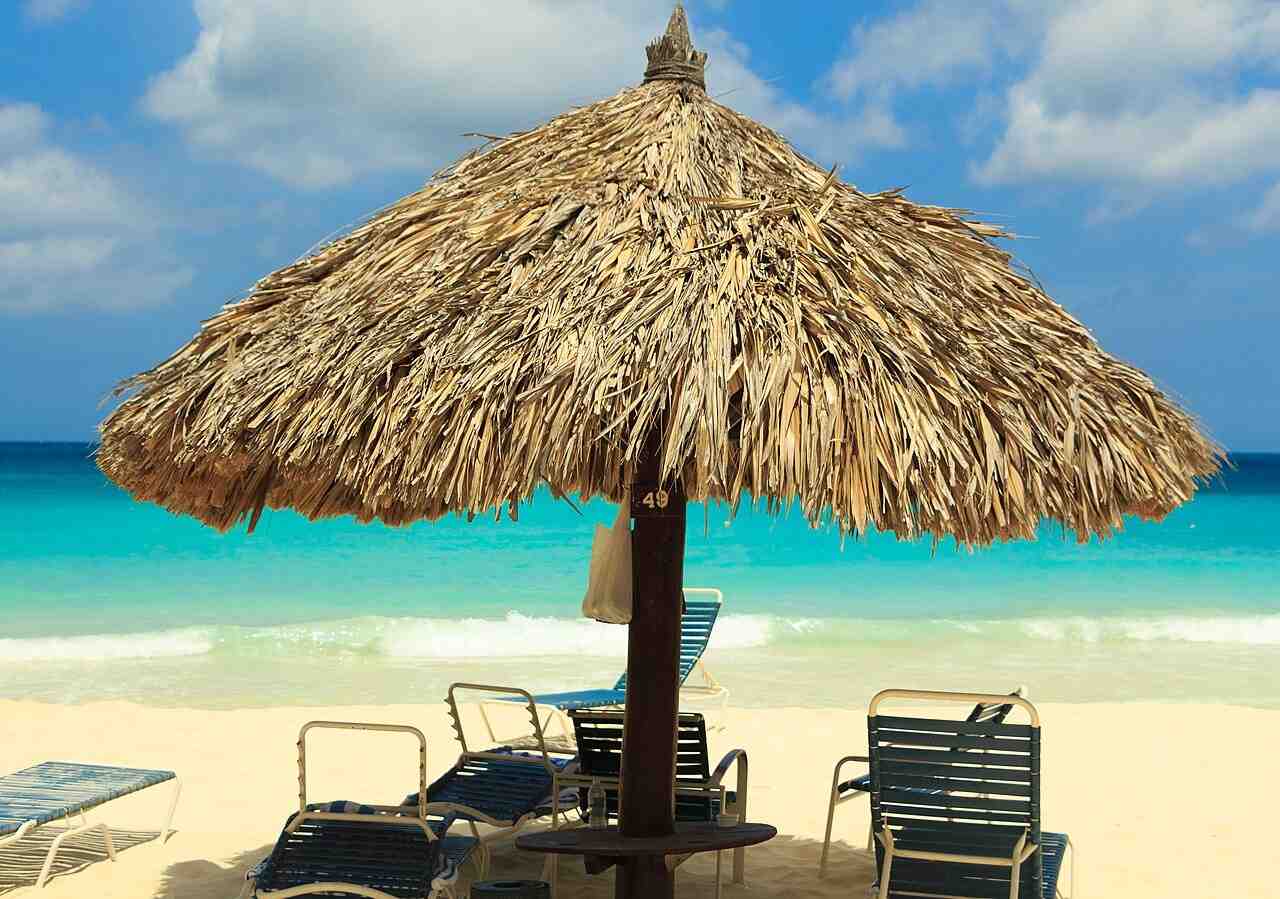
If you’re Googling what to do in aruba, I’m going to guess two things are true at the same time. You want the classic Aruba stuff (the beaches really are that pretty). But you also don’t want to come home feeling like you could’ve stayed anywhere warm and had the same trip.
Aruba is one of those places that’s wonderfully easy to enjoy on “autopilot”… and also surprisingly interesting once you nudge yourself off the main strip. I think that’s why people fall for it. You can do a low-effort week and feel blissed out, or you can build a few adventure days into the mix and feel like you actually met the island.
One practical thing that changes how you plan: Aruba’s beaches are open to the public (with a few exceptions like private offshore islands), so you’re not locked into a single stretch of sand just because your hotel is nearby. That sounds obvious, but it’s freeing when you start mapping your days.
What to do in aruba: start with these 12 experiences
I’m starting with a short, “if you only do a handful of things” list. Not because Aruba is short on activities—because decision fatigue is real, and most of us don’t want to spend our vacation researching our vacation.
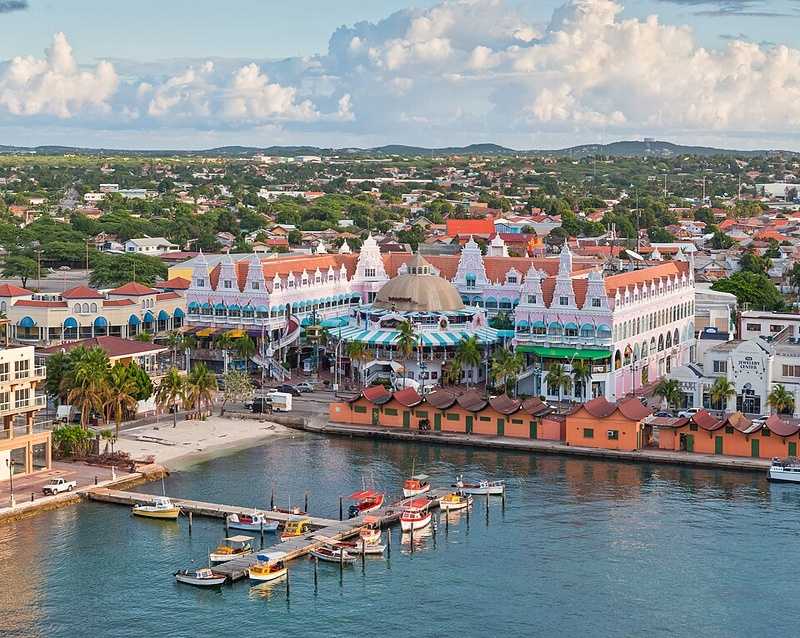
1) Ride the downtown trolley in Oranjestad (then wander)
If you do one simple, low-commitment thing early in your trip, make it Oranjestad. The downtown trolley is free and connects the cruise terminal area with downtown, which is genuinely helpful when it’s hot and you’re not in the mood for a long walk. The official tourism site notes that days and hours can vary by season, so I’d treat it as “usually running,” not “guaranteed at this exact minute.”
Once you hop off, just give yourself permission to meander. Pop into shops, grab something cold, and look at the buildings. You’ll feel more oriented for the rest of the trip.
And if you like the idea of an easy, low-cost day like this, you’ll probably enjoy my companion guide on free things to do in Aruba—it’s basically built for the “I want Aruba, but I don’t want to spend on every single activity” mood.
2) Plan one “two-beach day” (not five)
This is a small opinion, but I stand by it: beach-hopping is more fun when it’s not frantic. Pick two beaches in one day—one for swimming and lounging, one for a late-afternoon change of scenery—then stop.
From a practical standpoint, it’s also a good way to test what you like. Some people love the energy around Palm Beach; others prefer a quieter feel like Eagle Beach. With Aruba’s beaches generally public, you can try a few without feeling like you’re “cheating” on your hotel beach.
3) Do a snorkel day without overcomplicating it
Even if you’re not a hardcore water person, snorkeling in Aruba is one of those low-barrier experiences that tends to convert people. If you’re traveling with kids or first-timers, calmer-water spots like Baby Beach are often recommended because the water is shallow and gentle—pretty ideal for building confidence.
If you want this to be effortless, book a boat trip and let someone else handle timing and gear. If you want it to be flexible, go from shore and keep expectations simple: mask on, float around, look for fish, repeat.
If you’re traveling with younger kids or a mixed-age group, I’d weave in a few family-friendly stops from things to do in Aruba with kids. Even if you’re not traveling with kids, it can be a surprisingly useful checklist for “easy wins.”
4) Spend a day in Arikok National Park (it’s a different Aruba)
Arikok National Park covers a large portion of the island, and it’s where you go when you want to trade soft-sand scenery for desert landscapes, cacti, caves, and a wilder coastline. It’s also one of the easiest ways to feel like you’ve seen more than resorts and restaurants.
Be honest with yourself about your energy level, though. It can feel hot and stark out there, and some routes are rough. If you’re the kind of traveler who likes structure, a guided tour is often the simplest way to get the “wow” without the stress.
5) Visit the Natural Pool (Conchi), but treat it like an expedition
The Natural Pool (often called Conchi) gets hyped for a reason—it’s dramatic, it’s memorable, and it feels like an “earned” swim. But the access and conditions matter. One thing I appreciate about responsible guidance is that ATVs and UTVs are prohibited inside Arikok National Park for environmental reasons, and visitors typically need a 4×4 vehicle, go with a tour, or hike/bike in.
In other words: plan this on a day when you’re willing to put in effort. Don’t schedule it right after a late night and expect it to feel relaxing. It can. It just… depends.
6) Explore a cave (even if you’re not a “cave person”)
I used to think caves were a “nice if you’re nearby” activity. Aruba changed my mind a bit. In Arikok, caves like Fontein and Quadirikiri come up again and again because they’re relatively accessible and visually striking, with cultural history layered in.
It’s also a good midday move. Caves can be a little cooler, and you get a break from the sun without feeling like you wasted the day indoors.
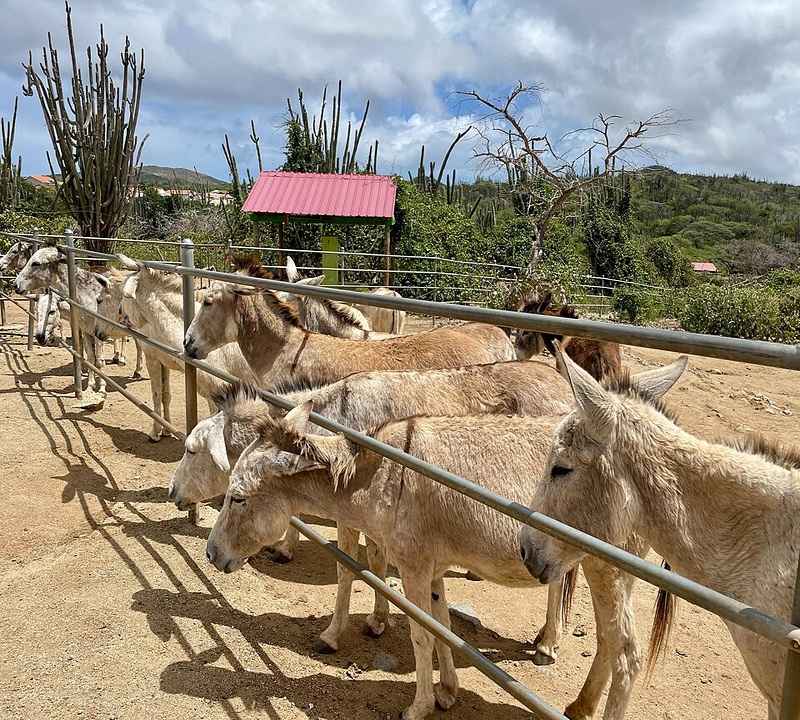
7) Do the free-and-wholesome Donkey Sanctuary
This one is simple and surprisingly sweet: the Donkey Sanctuary Aruba is often described as donation-based/free to visit, and it can be a genuinely feel-good stop. If you’re traveling with kids, it’s an easy win. If you’re an adult who just needs something low-key between beach sessions, it still works.
Bring some patience (and maybe carrots or apples if permitted). It’s not a theme park. That’s part of the charm.
8) Make time for San Nicolas street art
San Nicolas has become known for outdoor murals and street art, and it’s one of the best ways to experience Aruba beyond the typical resort zones. If you like photography, you’ll probably linger longer than you planned. If you don’t, you might still enjoy how it breaks up the trip with something cultural and walkable.
Pair it with a beach day in the southeast so you’re not zigzagging across the island.
9) Do one “north coast viewpoint” loop (but don’t swim there)
The north coast is where Aruba looks rugged and wind-shaped, with waves smashing into rock and viewpoints that feel cinematic. It’s also where travelers sometimes underestimate the ocean. You’ll see this advice in more thoughtful guides: enjoy it for the scenery, but be cautious about swimming in rough, exposed areas.
I’m mentioning it because it’s genuinely one of the best contrasts to the calm, turquoise-water postcard shots.
10) Climb something for the view: Hooiberg or a rock formation
If you want a simple “earn the panorama” moment, Aruba has a few: Hooiberg (the staircase climb) is a popular one, and rock formations like Casibari are another. These are the kinds of activities that sound small… until you’re at the top, sweaty, a little proud, and staring at the whole island laid out.
Go early. Aruba is sunny, and these climbs feel very different in midday heat.
11) Do one paid “set-piece” day (like De Palm Island) if you’re with kids
If you’re traveling as a family, it’s worth acknowledging something: not every day needs to be “authentic.” Sometimes you just want everyone to have fun at the same time. De Palm Island is often mentioned as a big, touristy, easy-to-book day with a waterpark and multiple activities, and it can be exactly the right move with kids.
If you’re debating it, I’d skim the details in things to do in Aruba with kids and decide based on your kids’ ages and tolerance for crowds.
12) Give yourself a “do nothing, but outside” evening
I know this sounds like a non-tip, but it’s the thing people forget to plan for. Aruba evenings are made for lingering: a slow dinner, a walk, a drink somewhere you can hear the ocean, maybe live music if you stumble on it. The point is not the venue. It’s the pace.
Do Aruba by area (so your days feel easier)
I think the fastest way to make Aruba feel calmer is to stop thinking in “attractions” and start thinking in neighborhoods/regions. Aruba is not huge, but back-and-forth driving adds up, and heat makes that feel more annoying than it should.
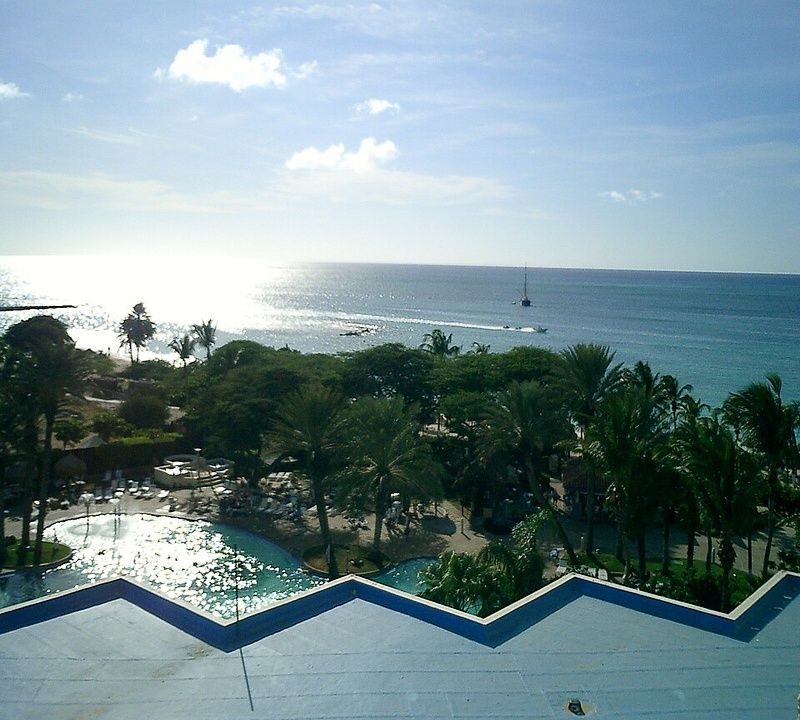
Palm Beach & Noord: easy mode + tours
This is the “high-rise hotel” zone and the easiest base if you want restaurants, bars, and plenty of boat trips and water sports nearby. It’s also convenient for quick hits like the California Lighthouse area and beaches like Arashi, which are often recommended as smaller coves you can dip into without turning it into a mission.
If your trip energy is “I want to relax, but I get restless after day two,” this is a good place to stay. You can keep it simple and still sprinkle in activities.
Oranjestad: culture, shopping, and the easiest city day
Oranjestad is compact enough that it doesn’t feel like a big city commitment. The downtown trolley is a practical tool here—free, simple, and helpful when the sun is relentless. I like this area for a lighter day: start with the trolley, wander, grab lunch, and treat it as a “reset” day between bigger adventures.
If you’re building a trip that includes both budget-friendly and paid activities, this is also where you can balance things out. Again, my free things to do in Aruba guide plugs in nicely here without feeling like you’re “doing a cheap day”—it’s just a smart day.
San Nicolas & the southeast: art + Baby Beach
San Nicolas brings the cultural/creative side, and the southeast brings the calm, shallow water of Baby Beach that families rave about. Baby Beach gets recommended for good reason: it’s gentle enough for little kids and new snorkelers, and it’s the kind of place where you can spend two hours that accidentally becomes half a day.
One honest note: shade can be limited, and renting cabanas can be pricey. If you’re planning to stay a while, think about bringing your own shade solution or timing your visit earlier.
Arikok & the wild side: your “different Aruba” day
If you want your trip to feel like it has variety, this is the section that does the heavy lifting. Arikok National Park is where you go for caves, arid landscapes, and a rugged coastline. It’s also where you want to be realistic about your vehicle and your comfort with rough terrain.
The Natural Pool (Conchi) is the headline moment for many people, but it’s not a casual add-on. Because ATVs and UTVs are prohibited inside the park and access can require a 4×4, a guided tour, or hiking/biking, it’s best treated as your main event—not the thing you “squeeze in.”
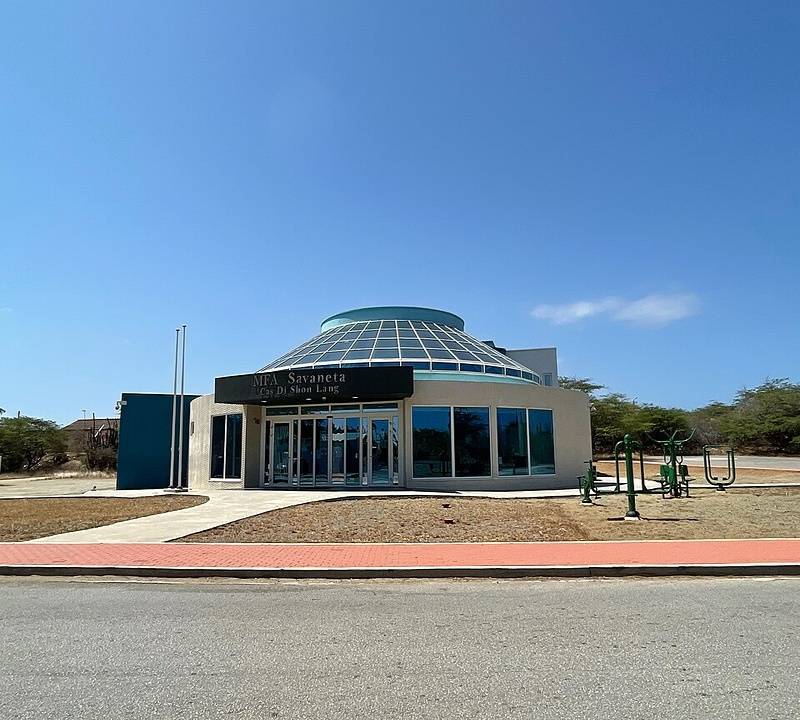
Savaneta & the south coast: slower, local, and a nice change of rhythm
This area tends to feel quieter, more residential, and less “tour corridor.” It’s a good place to aim for a long lunch, a lower-key beach stretch, or just a change of scenery if you’ve been living in the Palm Beach bubble for a few days.
Pick your vibe: the Aruba that fits your trip
Here’s where I get a little less objective, because travel choices are personal. The “best” thing to do is usually the thing you’ll actually enjoy at the pace you can sustain.
For first-timers who want the highlights (without exhaustion)
- One full day in Arikok National Park (caves + viewpoints, Natural Pool only if you’re up for it).
- One snorkel day (shore or boat; keep it simple).
- One Oranjestad day using the free downtown trolley and walking.
- One southeast day: San Nicolas murals + Baby Beach.
If you want the “plug-and-play” version of this, I put the full pacing into this Aruba itinerary 5 days guide, with swaps depending on wind, heat, and attention span (because yes, attention span matters on vacation too).
For families (realistic, kid-friendly, not perfect)
- Choose your home base carefully: Palm Beach is busy but convenient; Eagle Beach is quieter.
- Make Baby Beach your confidence-builder for snorkeling.
- Add one animal-focused stop (Donkey Sanctuary, Butterfly Farm, or similar) when you need a break from sand.
- Consider one “touristy but easy” day like De Palm Island if you want everyone entertained at once.
And if you want a more detailed checklist by age—plus a couple of things you might skip with kids—I’d use things to do in Aruba with kids as your planning backbone.
For budget travelers (or anyone who just hates overpaying)
- Beach-hop confidently: Aruba’s beaches are generally open to the public.
- Use the free trolley in Oranjestad instead of baking on the sidewalks.
- Prioritize viewpoints, hikes, murals, and self-guided wandering for your “big memories” days.
- Pay for only one or two set-piece tours you truly care about.
There’s a lot more nuance in free things to do in Aruba, including the small “hidden cost” stuff people don’t mention until you’re already there (shade rentals, last-minute transport, and so on).
For “I need adventure, but not chaos” travelers
- Arikok National Park as your anchor day.
- Natural Pool (Conchi) only with the right plan (tour/4×4/hike) and the right conditions.
- A viewpoint loop on the north coast for rugged scenery (no swimming).
- One climb: Hooiberg or Casibari rock formations, early in the day.
Simple itineraries (3, 5, and 7 days)
I’m not trying to schedule every hour here. I’m trying to give you a shape for your trip that feels doable, with room to breathe.
3 days in Aruba (first-timer, low-stress)
- Day 1: Palm Beach/Eagle Beach + sunset dinner.
- Day 2: Arikok National Park + cave stop; add Natural Pool only if you’re prepared for the logistics.
- Day 3: Oranjestad by trolley + one last swim (or a short snorkel session).
5 days in Aruba (balanced: beach, culture, wild side)
- Day 1: Settle in + easy beach time.
- Day 2: Oranjestad trolley + downtown wander + relaxed lunch.
- Day 3: Arikok National Park (caves + viewpoints; Natural Pool if it fits your comfort level).
- Day 4: San Nicolas murals + Baby Beach day.
- Day 5: Snorkel cruise or DIY snorkeling + one “do nothing” evening.
If you want the fuller version with timing, transport notes, and “swap this if it’s too windy” options, use Aruba itinerary 5 days as the detailed playbook.
7 days in Aruba (the version where you don’t rush)
- Add an extra beach day (yes, really).
- Add a second “easy culture/food” day—Oranjestad works well for this.
- Add one low-key nature stop (Donkey Sanctuary, Butterfly Farm, or a short hike) to break up the sun exposure.
I know it’s tempting to stack activities because “we might not come back.” But Aruba is one of those places where a slower trip can actually feel more memorable. Oddly enough.
Practical notes I wish someone had told me
Be honest about sun and shade
Aruba sun is no joke, especially when there’s wind (because the breeze can trick you into thinking you’re not getting cooked). Plan for shade—either by picking beaches with palapas you can actually use, bringing your own, or timing your visits earlier.
The Natural Pool is not a “quick stop”
Just repeating it because people underestimate this one: the Natural Pool (Conchi) is incredible, but access is not casual. Because ATVs/UTVs are prohibited inside Arikok National Park and the terrain is rough, choose a tour or a 4×4/hike plan you’re comfortable with. If you’re not comfortable, it’s fine to skip it. You won’t be the first.
Oranjestad is easier with the trolley
If you’re in town during cruise hours, it can feel busy. The free trolley helps you avoid turning “a quick look around” into a sweaty march, and it lets you hop on and off as you go.
Conclusion
Aruba is at its best when you stop trying to “win” the island and instead build a trip that matches your real-life energy. Mix a couple of big days (Arikok, maybe the Natural Pool), a couple of easy days (Oranjestad by trolley, a long beach afternoon), and at least one day where you do less than you planned and don’t feel guilty about it.
And if you’re still deciding what to do in aruba, here’s my gentle nudge: pick one culture day, one wild-nature day, one snorkeling day, and then let the rest of the trip be surprisingly simple. For ideas that slot in naturally, jump into free things to do in Aruba, or if you’re planning with family, use things to do in Aruba with kids. And if you want it all stitched together into a plan, Aruba itinerary 5 days is the most straightforward next step.

Leave a Reply