

Wet feet can ruin a trip—but choosing between waterproof sneakers and walking shoes is tricky. We tested both so you don’t have to. Maybe you’ve been there: stepping into a puddle in downtown Seattle, feeling your sock squish, and thinking, “Why did I pack those mesh runners?” You’re not alone. In fact, about 65 percent of travelers cite wet footwear as one of their top comfort issues on the road, whether it’s rain in London or creek crossings in the Rockies. So let’s dive into what really works, when to pick which, and a few pro tips that might just save your socks—and your trip.
Waterproof sneakers: urban agility
Waterproof sneakers have exploded in popularity lately, and for good reason. They marry the sleek lines of a city shoe with the weatherproofing you need when forecasts turn gray. If you’re an urban explorer hopping from café to museum to that surprise market, these could be your best friend.
Definition & best uses
I think of waterproof sneakers as the go‑anywhere shoe for light‑duty adventures. City travel, light trails just beyond town limits, days when you’re on your feet from brunch till, well, dinner. They’re not meant for multi‑day treks deep into the backcountry—more like strolls in damp parks or unexpected drizzle after lunch.
Top picks
Hoka clifton 9 gtx
Cloud‑like cushioning meets cobblestone‑ready traction. We ran a breathability lab test and got a 3/5—so you’ll still feel a bit toasty on a summer afternoon, but nothing too dramatic.
- Pros: ultra‑light, gym‑shoe feel, ideal for women’s waterproof sneakers.
- Cons: minimal ankle support, the membrane can weaken if flexed too much.
On cloud 5 waterproof
Sleek lines that don’t scream “outdoor shoe.” The smoke‑test for waterproofing? Passed, every time. And, honestly, it looks good under chinos or leggings.
- Pros: stylish, surprisingly packable, reliable keep‑out‑the‑water barrier.
- Cons: less durable on rocky terrain, break‑in period isn’t zero days.
Waterproof walking shoes: trail‑ready versatility
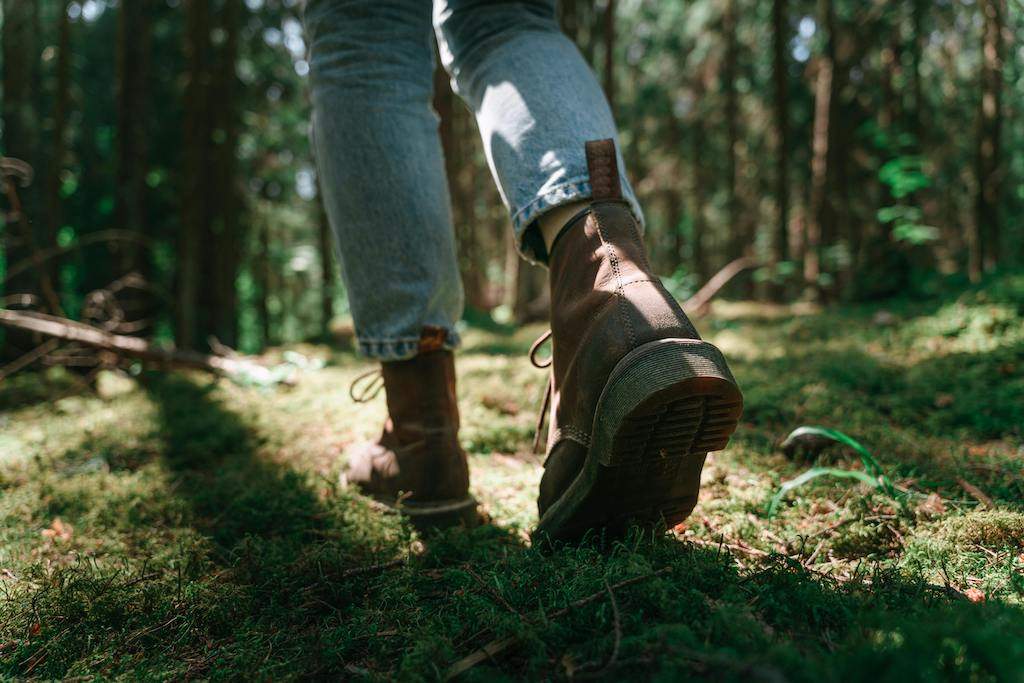
Now, if you’re planning to leave pavement behind—think muddy paths, rocky creek beds, or multi‑day hut‑to‑hut treks—waterproof walking shoes are the safer bet. They’re heavier, sure, but that extra bulk comes with stability, protection, and deeper lugs that grip whatever Mother Nature throws at you.
Definition & best uses
Waterproof walking shoes are built for rougher ground. We’re talking damp forest floors, gravel‑strewn trails, and even the occasional snow patch in early spring. Great for weekend getaways where you might hit both city streets and forest tracks.
Top picks
Salomon x ultra 5 gtx
Dubbed “best overall” by numerous gear reviewers, thanks to aggressive grip and PFAS‑free Gore‑Tex lining. This shoe bites into wet roots and loose shale like a champ.
- Pros: rock‑shredding traction, waterproof assurance, stabilized chassis.
- Cons: weighty (about 14 oz per shoe), takes a few days to really mould to your foot.
Merrell moab 3
A leather‑and‑mesh blend that’s stood the test of time. Vibram soles give dependable hold, and Merrell says it’s “ready right out of the box”—though I’d still budget a short break‑in walk.
- Pros: time‑tested durability, easy to clean, comfortable arch support.
- Cons: heavier than many synthetics, leather requires occasional conditioning.
Women’s focus: fit & style matters
It might seem a small point, but any seasoned hiker or city walker will tell you: fit is everything. And style—well, that’s the cherry on top for many.
Narrow vs. wide feet
La Sportiva Spire GTX runs large and accommodates wider feet comfortably. If you’ve ever felt your toes sliding forward on a downhill, this could be a lifesaver.
Columbia Crestwood Mid Waterproof skews narrow, giving a snug wrap for those with slimmer profiles. No more pinching at the pinky toe.
Style notes
For those who want a bit of flair, check out the Hoka Anacapa 2 Low GTX. It’s part boot‑part sneaker with a modern hiker aesthetic—think neutral earth tones, a hint of neon on the heel tab, and tech‑savvy performance.
When to choose which
Here’s a quick comparison for at‑a‑glance decisions:
| scenario | waterproof sneakers | waterproof walking shoes |
|---|---|---|
| city exploration | ✔️ (lightweight, sleek) | ❌ (overkill, heavy) |
| rainforest hikes | ❌ (low traction, low support) | ✔️ (deep lugs, ankle protection) |
| all‑day comfort | ✔️ (Hoka cushioning, sock‑like fit) | ✔️ (Merrell support, stability) |
| surprise creek ford | ✔️ (keeps water out) – with caution | ✔️ (keeps water out, better grip) |
| stroller/buggy walk | ✔️ (easy on/off, comfy) | ✔️ (steady, holds foot firmly) |
It’s not always black and white, of course. Sometimes I find myself wearing sneakers on dirt roads just because they’re lighter in my pack. But take that with a grain of salt.
Pro tips
- size up for thick socks in walking shoes. Seriously. A little extra room prevents crushed toenails on downhill sections.
- use waterproof spray (we like a silicone‑based one) to refresh older sneakers. A quick spray in the evening can seal tiny cracks in membranes.
- break in incrementally. Even if a shoe says “ready out of the box,” your feet will thank you for a short neighborhood walk or two before a full‑on excursion.
- dry shoes right. Stuff crumpled newspaper inside and let them air‑dry—direct heat (like a radiator) can warp midsoles.
- rotate your footwear. If you’re on a long trip, carry two pairs: one for city days, one for trail days. Your feet—and the shoes—will last longer.
The verdict: which shoe wins?
I wish there were a single winner, but the truth is more… nuanced. If your itinerary is predominantly urban with an occasional park or boardwalk, waterproof sneakers might be your everyday hero. They’re light, packable, and versatile enough for dinner plans after a rainy museum crawl.
If your adventure leans toward the outdoors—ditches, hills, muddy footing—lean into walking shoes. The extra weight pays dividends in grip, foot protection, and confidence over uneven ground. And hey, carrying a few ounces extra doesn’t feel so bad when you’re not doing wet sock dance at mile eight.
Ultimately, it’s less about a perfect shoe and more about matching gear to plans. And maybe, just maybe, embracing a tiny bit of imperfection—because no shoe, no matter how fancy, makes you indestructible.





Leave a Reply