

Washington State stands out as one of America’s premier hiking destinations for day-hikers, and honestly, it’s not even close. With over 3 million acres of wilderness, four spectacular national parks, and trail access within an hour’s drive of major cities like Seattle and Spokane, Washington offers something that few other states can match. Perhaps more importantly, the sheer diversity of landscapes—from temperate rainforests and alpine meadows to glacier-capped peaks and dramatic ridge walks—means you could spend years exploring without repeating the same experience twice.
This comprehensive guide covers the absolute best day hikes Washington has to offer, with detailed breakdowns of six standout trails that represent the pinnacle of what the state provides. Each trail gets its own deep-dive guide (linked throughout), but by the end of this article, you’ll know exactly which hikes match your skill level, what gear you need to stay safe and comfortable, and when to visit for the best experience. We’ll also share essential hiking gear recommendations that have proven invaluable on these trails—because the right equipment can make the difference between a good hike and an unforgettable adventure.
Why Washington Is Perfect for Day Hikers
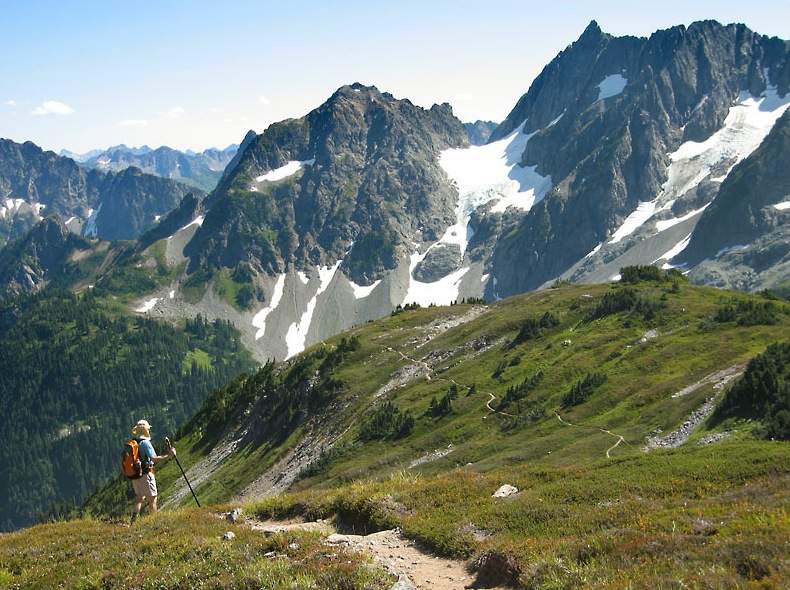
The numbers tell part of the story. Mount Rainier National Park alone welcomes over 1.6 million visitors annually, while Olympic National Park sees more than 3 million. But what makes Washington truly special for day hikers isn’t just popularity—it’s accessibility combined with world-class scenery.
Proximity to Population Centers
Most of Washington’s incredible hiking sits within a two-hour drive of Seattle, which puts trails like the Kendall Katwalk just 50 minutes from the city. Bellingham residents can reach the spectacular Skyline Divide Trail near Mt. Baker in about an hour, while those near Olympia have quick access to gems like Mount Zion in Olympic National Forest. Even Spokane, on the eastern side of the state, offers reasonable access to Alpine Lakes Wilderness destinations.
Unique Landscape Diversity
Perhaps nowhere else in the country can you experience such varied ecosystems within such a compact area. Washington’s day hikes showcase temperate rainforests draped in moss, crystal-clear alpine lakes reflecting jagged peaks, active glaciers, thundering waterfalls, and ridge walks with 360-degree mountain panoramas. If you’re looking for alpine panoramas that rival anything in the Alps, the Skyline Divide Trail near Mt. Baker delivers sweeping views that stretch across the North Cascades to Canada. For a shorter but equally rewarding climb, the Mount Zion hike in Olympic National Forest offers stunning Olympic Mountain views with spring rhododendron blooms as a bonus.
Four National Park Systems
Washington hosts an embarrassment of riches: Olympic National Park with its rainforests and rugged coastline, Mount Rainier National Park anchored by the iconic 14,411-foot volcanic peak, North Cascades National Park dubbed the “American Alps,” plus the Mount Baker-Snoqualmie National Forest region that provides access to countless additional wilderness areas. Each system offers distinct hiking experiences, from easy forest walks to challenging alpine traverses.
The state’s hiking infrastructure is equally impressive. Well-maintained trail systems, clear signage, and comprehensive online resources through organizations like the Washington Trails Association make trip planning straightforward. Most trailheads feature adequate parking (though arriving early is still wise), and the pass system—while requiring some planning—is standardized across most areas.
Quick Comparison of the Best Day Hikes Near Washington
Sometimes you just need the facts laid out clearly. Here’s an at-a-glance comparison of Washington’s premier day hikes, organized by key metrics that matter most when choosing your next adventure:
| Trail Name | Distance | Elevation Gain | Difficulty | Key Highlight | Region |
|---|---|---|---|---|---|
| Skyline Divide | 9-10 mi RT | 2,500 ft | Moderate-Strenuous | Sweeping Mt. Baker ridge views (full guide) | North Cascades/Mt. Baker |
| Kendall Katwalk | 11 mi RT | 2,600 ft | Moderate-Strenuous | Dramatic cliffside granite ledge (full guide) | Snoqualmie Pass/I-90 |
| Mount Zion | 4.2 mi RT | 1,340 ft | Easy-Moderate | Spring rhododendrons & Olympic views (full guide) | Olympic Peninsula |
| Panhandle Gap | 10.5-11 mi RT | 2,600-3,000 ft | Strenuous | Highest Wonderland Trail day hike (full guide) | Mount Rainier NP |
| Dirty Harry’s Peak | 7.5-8.5 mi RT | 3,300 ft | Strenuous | Rugged training peak & panoramas (full guide) | I-90 Corridor |
| Big Heart Lake | 14-15 mi RT | 3,200 ft | Strenuous | Remote alpine lake basin (full guide) | Alpine Lakes Wilderness |
This table gives you the essential info for quick decision-making, but each trail has its own personality and seasonal considerations that deserve deeper exploration. The difficulty ratings reflect not just distance and elevation, but also trail conditions, exposure, and technical requirements—factors that become crucial when you’re actually on the mountain.
Top Washington Day Hikes by Region
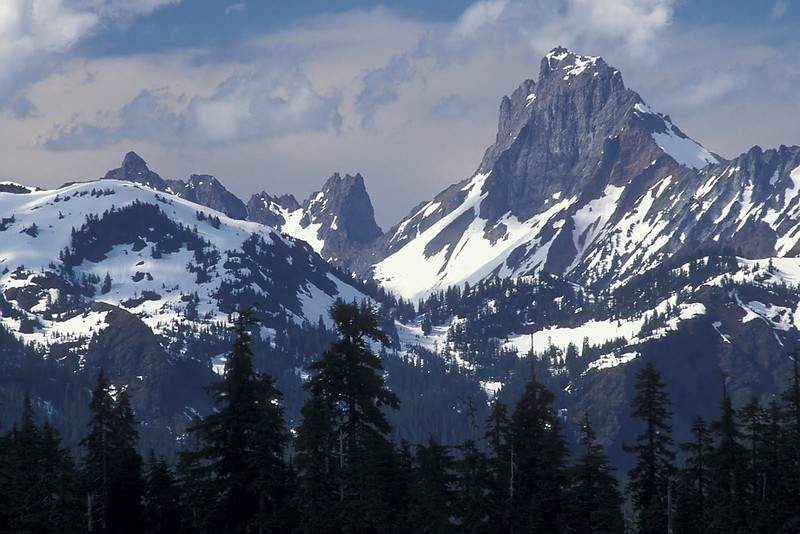
Breaking down hikes by region makes practical sense for trip planning, but it also highlights how each area of Washington offers distinctly different hiking experiences. From the volcanic peaks of the Cascades to the moss-draped forests of the Olympics, here’s what awaits in each region.
North Cascades & Mt. Baker
The North Cascades region, often called the “American Alps,” delivers some of the most dramatic alpine scenery in the lower 48 states. With jagged peaks, pristine meadows, and glacier-fed streams, this area represents Washington hiking at its most spectacular.
Skyline Divide stands as the crown jewel of Mt. Baker area day hikes (full guide). This moderate to strenuous 9-10 mile trek rewards hikers with sweeping ridge views of Mt. Baker’s glaciated north face, plus panoramic vistas extending to Mt. Shuksan and deep into the North Cascades. The trail climbs steadily through dense forest before breaking into expansive wildflower meadows—lupine and paintbrush create stunning displays from mid-July through August. What sets Skyline Divide apart is the sense of being on top of the world; you’re walking along an actual mountain ridge with dramatic drop-offs and 360-degree views that feel more like something you’d find in the European Alps.
The approach requires navigating some rough Forest Service roads, and parking fills quickly on weekends, but the payoff justifies the effort. If you love remote alpine settings and want to push your limits further, check out Big Heart Lake, which offers a full-day wilderness adventure deeper into the Alpine Lakes region.
Snoqualmie Pass & I-90 Corridor
The I-90 corridor provides the most convenient access to high-quality hiking from Seattle, making it a weekend magnet for urban hikers. Despite the crowds, the trails here offer genuine wilderness experiences with dramatic granite peaks and pristine alpine lakes.
Kendall Katwalk (full guide) ranks among Washington’s most famous day hikes, and for good reason. This 11-mile round-trip adventure follows a section of the Pacific Crest Trail to reach a spectacular granite ledge dynamited into the cliffside. The “katwalk” itself—a narrow pathway carved into vertical rock—provides one of the most thrilling and photogenic moments in Washington hiking. Views stretch north and south along the Cascade crest, with alpine lakes dotting the valleys far below.
The trail gains 2,600 feet through a combination of forested switchbacks and open meadows, making it achievable for most hikers in good shape. Summer wildflowers rival those found anywhere in the state, and the PCT connection means you’re walking on one of America’s most famous long-distance trails. For another thrilling I-90 ridge experience with more technical challenges, try Dirty Harry’s Peak, which offers similar exposure but requires more scrambling and route-finding skills.
Olympic Peninsula
The Olympic Peninsula provides a completely different hiking experience from the volcanic Cascades. Here, temperate rainforests, rugged coastlines, and glacier-carved peaks create landscapes found nowhere else in the continental United States.
Mount Zion (full guide) serves as an ideal introduction to Olympic Peninsula hiking. This easy to moderate 4.2-mile hike gains just 1,340 feet, making it perfect for families or hikers wanting spectacular views without the grueling climbs found elsewhere in the state. The trail winds through dense forest famous for its spring rhododendron blooms—typically peaking in May and early June—before reaching a summit with panoramic views across the Olympic Mountains and Puget Sound.
What makes Mount Zion special isn’t just its accessibility, but its role as a gateway to understanding the unique ecology of the Olympics. The old-growth forest, the seasonal flower displays, and the more moderate climate compared to the high Cascades all contribute to a distinct hiking experience. Want something longer but equally scenic? Explore the Skyline Divide Trail for a more challenging alpine ridge adventure that showcases a completely different ecosystem.
Mount Rainier National Park
Mount Rainier National Park offers over 260 miles of maintained trails, but one hike stands above the rest for ambitious day hikers seeking the park’s most iconic wilderness experience.
Panhandle Gap (full guide) represents perhaps the best day hike accessible in Mount Rainier National Park. This strenuous 10.5-11 mile journey via the Summerland route reaches the highest point on the famous Wonderland Trail that hikers can reasonably tackle in a single day. The elevation gain of 2,600-3,000 feet takes you through multiple ecological zones, from old-growth forest through subalpine meadows to the harsh alpine environment near the gap itself.
The hiking experience progresses like chapters in a book: forested switchbacks give way to the expansive Summerland meadows—one of the park’s most photographed wildflower displays—before the final steep, rocky push to Panhandle Gap. From the gap, views encompass Mount Rainier’s glaciated flanks, the Goat Rocks to the south, and on clear days, Mount Adams in the distance. Wildlife sightings commonly include marmots, mountain goats, and various bird species adapted to high-altitude environments. If you’re after a tougher alpine challenge with similar wilderness character, Big Heart Lake offers a full-day adventure that’s even more remote and demanding.
Alpine Lakes Wilderness
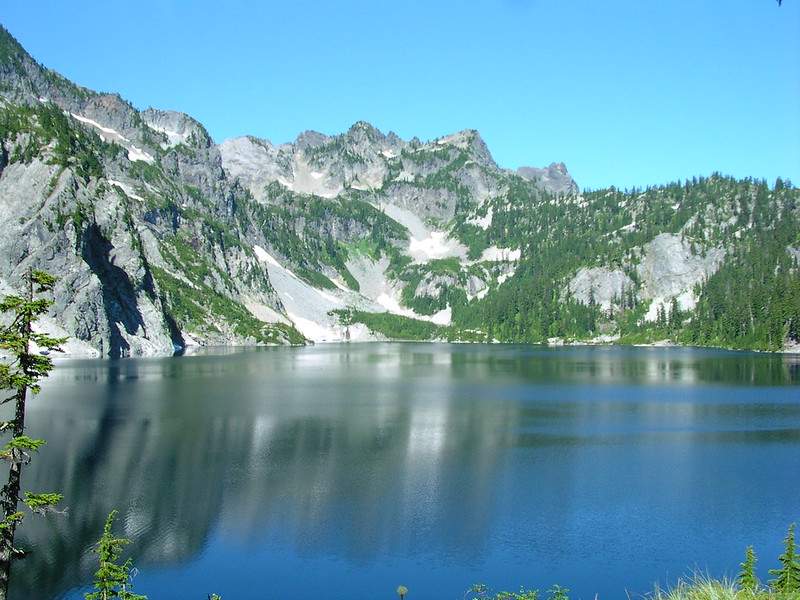
The Alpine Lakes Wilderness, straddling the Cascade Crest, contains some of Washington’s most pristine backcountry. While many of the area’s famous destinations require backpacking, one standout trail can be tackled as an extremely long day hike by strong, experienced hikers.
Big Heart Lake (full guide) pushes the boundaries of what most people consider a day hike. At 14-15 miles round trip with 3,200 feet of elevation gain, this trail demands serious fitness and preparation. The route follows the West Fork Foss River Trail through a series of increasingly beautiful alpine lakes—Trout Lake, Copper Lake, and Little Heart Lake—before reaching the spectacular cirque containing Big Heart Lake itself.
The payoff matches the effort: Big Heart Lake sits in a dramatic granite bowl surrounded by towering cliffs and cascading waterfalls. The water maintains that distinctive alpine turquoise color year-round, and the feeling of remoteness is genuine—you’ve truly earned your place in the wilderness. Most hikers tackle this as an overnight backpacking trip, but strong day hikers can complete it if they start early and maintain a steady pace. If that feels too demanding, Mount Zion offers a more beginner-friendly alternative that still delivers impressive mountain views.
I-90 Adventure Peaks
Beyond the famous Kendall Katwalk, the I-90 corridor offers additional challenging hikes for those seeking steep climbs and panoramic rewards.
Dirty Harry’s Peak (full guide) provides one of the area’s most strenuous workouts. This 7.5-8.5 mile hike gains an impressive 3,300 feet, making it a favorite training ground for mountaineers preparing for bigger objectives like Mount Rainier. The trail combines historical interest—following portions of the old wagon road used by early settlers—with serious alpine adventure.
The route splits early on, with most hikers taking the more direct path toward the peak rather than the easier Dirty Harry’s Balcony option. The final sections involve some scrambling over rocky terrain, with the summit providing expansive views of the Snoqualmie Valley, Mount Rainier, and the surrounding Cascade peaks. It’s definitely a challenging hike, but one that builds both fitness and confidence for more ambitious adventures. For similar exposure but with a safer, more established trail experience, consider Kendall Katwalk.
How to Choose the Right Hike for You
With so many incredible options, picking the perfect Washington day hike can feel overwhelming. The key is honestly assessing your current fitness level, experience, and what type of adventure you’re seeking. Here’s how to make the best choice.
Distance and Elevation Considerations
Distance tells only part of the story—elevation gain often matters more for determining difficulty and required fitness. A rule of thumb many hikers use is that every 1,000 feet of elevation gain adds roughly an hour to hiking time, but this varies significantly based on trail conditions and individual fitness. Mount Zion’s 1,340 feet over 4.2 miles feels quite manageable for most people, while Dirty Harry’s Peak’s 3,300 feet over a similar distance creates a much more demanding experience.
Consider your recent hiking history honestly. If your longest recent hike was 5 miles with minimal elevation gain, jumping straight to Big Heart Lake’s 14-15 mile challenge might lead to an unpleasant or potentially dangerous situation.
Difficulty Progression
Washington’s best day hikes provide a natural progression for building skills and fitness. Looking for the shortest day hike with big rewards? Mount Zion offers Olympic Mountain views and spring wildflowers in just 4.2 miles. Ready for something more challenging but still achievable? Kendall Katwalk provides a famous destination with moderate difficulty. For the most demanding adventure, Big Heart Lake tests even experienced hikers with its length and elevation gain.
Location and Time Available
Practical considerations matter as much as fitness. If you’re staying in Seattle and have only one day, the I-90 corridor hikes like Kendall Katwalk or Dirty Harry’s Peak make sense due to their proximity. Planning a longer trip with accommodation on the Olympic Peninsula? Mount Zion becomes more attractive. Have a full weekend and want to explore a new region? Consider heading north to tackle Skyline Divide and experience the Mount Baker area.
Seasonal Timing
Washington’s hiking season varies dramatically by elevation and location. Lower elevation hikes like Mount Zion often remain accessible year-round, though spring offers the best wildflower displays. High alpine routes like Skyline Divide and Panhandle Gap typically don’t become snow-free until mid-July and may see fresh snow by early October. The sweet spot for most Washington hiking falls between mid-July and mid-September, when trails are clear and weather is most predictable.
Best Time of Year to Hike in Washington
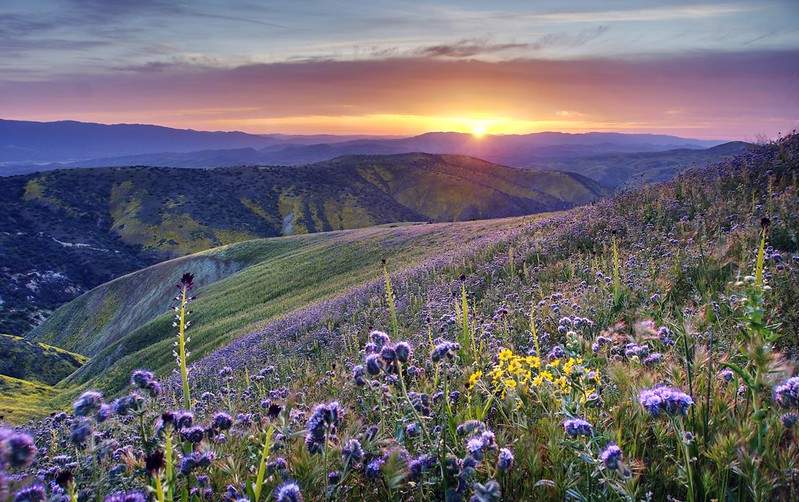
Washington’s hiking season follows the snow, and elevation makes all the difference. Understanding when trails become accessible—and when they’re at their best—can make or break your hiking experience.
Spring (March-June): Wildflower Season at Lower Elevations
Spring hiking in Washington focuses on lower elevation trails where snow has melted but wildflowers are beginning their show. Mount Zion becomes particularly spectacular in May and early June when rhododendrons bloom throughout the Olympic National Forest. The trail remains manageable while offering impressive displays that rival more famous destinations.
Spring also marks the beginning of waterfall season, when snowmelt swells creeks and rivers throughout the Cascades. However, higher elevation trails like Skyline Divide often remain buried under snow well into June, making them inaccessible or dangerous without winter mountaineering skills.
Summer (July-September): Prime Time for Alpine Adventures
Summer represents Washington’s peak hiking season, and for good reason. High-elevation trails like Panhandle Gap and Big Heart Lake typically don’t become accessible until mid-July, when snowpack finally melts from north-facing slopes and higher elevations.
July and August offer the most reliable weather, longest daylight hours, and peak wildflower displays in alpine meadows. This is when trails like Skyline Divide reach their full potential, with lupine and paintbrush creating brilliant displays against the backdrop of glaciated peaks. However, summer also brings crowds, especially to easily accessible destinations like Kendall Katwalk.
Fall (September-October): Golden Larches and Crisp Air
Fall hiking provides some of Washington’s most spectacular scenery, particularly on trails where larch trees turn golden in late September and early October. Kendall Katwalk offers excellent larch viewing, as does Dirty Harry’s Peak, both accessible from the I-90 corridor.
Fall weather can be unpredictable, with the first significant snowstorms sometimes arriving by early October at higher elevations. But when conditions cooperate, fall hiking offers crisp air, brilliant colors, and significantly fewer crowds than peak summer.
Winter Considerations
Most high-elevation Washington trails become inaccessible to day hikers during winter months. Snow accumulates early and melts late at elevations above 3,000 feet, and avalanche danger makes many areas extremely hazardous without specialized training and equipment.
Essential Gear for Day Hikes
Having the right gear can transform a good hike into a great one, while inadequate equipment can turn an adventure into an ordeal—or worse, a dangerous situation. Based on extensive experience on all these trails, here’s what actually matters for Washington day hiking.
Footwear
Hiking Boots vs. Trail Shoes
The eternal debate in hiking footwear comes down to ankle support versus weight and breathability. For Washington’s varied terrain, both options have merit depending on the specific trail and your personal preferences.
Waterproof hiking boots excel on trails like Panhandle Gap and Skyline Divide, where creek crossings, muddy sections, and potential snow patches make water protection valuable. The extra ankle support helps on uneven terrain, particularly during long descents when fatigue sets in. Look for boots with aggressive tread patterns for traction on steep, rocky sections.
Lightweight trail runners work well for established trails with good footing, like Mount Zion or the initial sections of Kendall Katwalk. They’re more comfortable for long distances, dry faster if they get wet, and provide better ground feel on technical sections. However, they offer minimal protection against rocks and roots.
For most Washington hiking, waterproof boots represent the safer choice given the state’s reputation for sudden weather changes and wet conditions even during summer months.
Daypacks & Hydration
Capacity and Comfort
A 20-30 liter daypack handles most Washington day hikes comfortably, providing space for water, food, extra layers, and safety equipment without feeling cumbersome. For longer adventures like Big Heart Lake, consider bumping up to a 30-40 liter pack to accommodate additional water and potentially overnight gear if weather forces an unplanned stay.
Hydration Systems
Washington day hikes demand serious attention to hydration. Carry 2-3 liters minimum, with more required for longer hikes or hot weather. Hydration bladders (like CamelBak systems) offer convenience and encourage regular drinking, while traditional water bottles provide reliability and easier refilling from natural sources.
Water filters or purification tablets become essential on longer hikes where natural water sources allow you to refill rather than carrying everything from the start. Most Washington streams run clear and cold, but treatment remains necessary for safety.
Safety & Navigation
GPS and Map Navigation
Cell phone coverage remains spotty or nonexistent on many Washington trails, making offline navigation crucial. Download trail maps to your phone using apps like AllTrails or Gaia GPS before leaving home. Consider carrying a backup GPS device or traditional map and compass for longer or more remote hikes like Big Heart Lake.
Trekking Poles
Trekking poles prove invaluable on steep Washington terrain, particularly for descents when knee impact becomes significant. They’re especially helpful on trails like Dirty Harry’s Peak, where rocky sections and steep grades challenge stability. Collapsible poles pack easily when not needed.
Microspikes or Traction Devices
Even in summer, high-elevation Washington trails may retain snow patches or develop icy conditions during cold mornings. Lightweight microspikes weigh little but provide crucial traction when needed.
Clothing
Layering Strategy: Base, Mid, Shell
Washington weather changes rapidly, especially at higher elevations. A three-layer system handles most conditions: moisture-wicking base layer, insulating mid-layer (fleece or lightweight down), and waterproof/windproof shell jacket.
Avoid cotton clothing entirely. When cotton gets wet (from rain, sweat, or snow), it loses all insulating properties and can contribute to hypothermia even in moderate temperatures.
Rain Protection
A quality rain jacket deserves priority in your pack for every Washington hike. Look for breathable, waterproof materials that prevent both external moisture and internal condensation buildup. Lightweight packable options work well for day hiking when weight matters.
Quick-dry hiking pants or shorts handle most conditions better than jeans or casual clothing. Synthetic materials dry faster and maintain some warmth even when damp.
This gear foundation handles the majority of Washington hiking conditions safely and comfortably. Specific trails may require additional equipment—check individual trail guides for route-specific recommendations.
Safety, Permits & Trail Etiquette
Washington’s wilderness areas require permits, passes, or fees for most hiking destinations, and understanding the system ahead of time prevents frustration at trailheads. More importantly, safety awareness becomes crucial when exploring backcountry areas where help may be hours away.
Navigation and Weather Awareness
Weather in Washington’s mountains changes rapidly and dramatically. Morning sunshine can give way to afternoon thunderstorms, especially at higher elevations. Always carry extra layers and rain protection, even on seemingly perfect days. Check weather forecasts not just for the trailhead, but for higher elevations where conditions may differ significantly.
Learn to recognize signs of changing weather: building clouds, dropping temperatures, increasing wind. If conditions deteriorate, turning back represents the smart choice—the mountains will be there for another attempt.
Wildlife Considerations
Black bears inhabit most Washington hiking areas, though encounters remain relatively rare. Make noise while hiking, especially around blind corners or dense vegetation. Store food properly and never feed wildlife. Mountain goats frequent several high-elevation areas, particularly around Panhandle Gap. These animals can be aggressive and territorial—give them wide berth and never approach for photos.
Permit Requirements
Different agencies manage Washington’s hiking areas, each with distinct permit requirements:
- National Parks (Mount Rainier, Olympic, North Cascades): Require entrance fees ($30 per vehicle for 7 days, or $55 annual pass)
- National Forest Areas: Most trailheads require Northwest Forest Pass ($5 daily or $30 annual)
- State Parks: Discover Pass required ($10 daily or $30 annual)
Annual passes like America the Beautiful ($80) work at all federal locations and often represent the best value for frequent hikers. Before heading out, make sure you check each trail’s detailed guide—like our Panhandle Gap hike—for specific permit details and current requirements.
Leave No Trace Principles
Washington’s wilderness areas face increasing pressure from growing visitation. Following Leave No Trace principles helps preserve these areas for future generations:
- Pack out all trash, including food scraps and toilet paper
- Stay on established trails to prevent erosion and habitat damage
- Camp only in designated areas (for overnight trips)
- Keep campfires small and only in permitted areas
- Respect wildlife by observing from distance
- Be considerate of other hikers by controlling noise and sharing trail space
Group Size Recommendations
Keep hiking groups to 12 people or fewer to minimize impact and maintain the wilderness experience for others. Large groups can damage trails, disturb wildlife, and monopolize campsites or scenic viewpoints.
Final Thoughts – Find Your Perfect Washington Day Hike
Washington’s day hiking opportunities truly offer something for every adventurer, from families seeking gentle forest walks to experienced hikers craving challenging alpine adventures. The diversity is remarkable—you could spend years exploring these trails and still discover new perspectives, seasonal changes, and hidden gems.
Whether you’re craving a quick forest walk like Mount Zion with its spring rhododendron displays and Olympic Mountain views, or a strenuous alpine adventure like Big Heart Lake that tests your limits in pristine wilderness, Washington delivers experiences that rival the world’s most famous hiking destinations. The key lies in matching your ambitions with your abilities, preparing properly for mountain conditions, and respecting the wilderness that makes these adventures possible.
Start with trails that match your current fitness level and experience, then gradually work up to more challenging objectives. Kendall Katwalk serves as an excellent stepping stone between easier hikes and the state’s most demanding day hikes. Skyline Divide showcases Washington’s alpine beauty at its finest, while Dirty Harry’s Peak provides serious training for anyone eyeing bigger mountaineering goals.
The planning, preparation, and effort you invest will be rewarded with memories that last a lifetime. Washington’s mountains demand respect, but they give back generously to those who come prepared and approach them with appropriate humility.
Ready to hit the trail? Don’t forget to gear up with the essentials we recommended above—proper footwear, adequate hydration, navigation tools, and weather protection can make the difference between a good hike and an unforgettable adventure. The mountains are waiting, and there’s never been a better time to explore what Washington’s wilderness has to offer.





Leave a Reply