

Denver sits perfectly positioned at the edge of the Rocky Mountains, making it a gateway to some of the most spectacular day hiking in the country. Just an hour or less from downtown, you’ll find everything from red rock formations and alpine lakes to towering peaks and wildflower meadows. Whether you’re a weekend warrior, visiting traveler, or new to hiking altogether, the trails surrounding Denver offer adventures for every skill level and time constraint.
Why Denver is Perfect for Day Hikes
The Mile High City’s unique location creates an outdoor paradise unlike anywhere else. Sitting at 5,280 feet above sea level with the Front Range stretching westward, Denver provides quick access to diverse landscapes that would take hours to reach from other major cities.
Major highways like I-70 and US 285 connect you directly to trailheads, while the network of Jefferson County Open Space parks offers 269+ miles of trails within 30 minutes of downtown. From the iconic red sandstone formations at Red Rocks to the glacier-carved valleys of Rocky Mountain National Park, you can experience true wilderness without the commitment of overnight backpacking.
The variety is perhaps what makes Denver hiking so special. In a single day, you could hike through desert-like terrain in the morning and find yourself at an alpine lake by afternoon. The Front Range delivers everything from gentle creekside strolls perfect for families to challenging 14er summit attempts that test even experienced hikers.
Essential Tips for Denver Day Hiking
Altitude Awareness
Denver’s elevation presents unique challenges that catch many visitors off guard. Even the city sits at 5,280 feet, and popular trails quickly climb to 8,000-10,000+ feet. Your body needs time to adjust to the thinner air, so don’t be surprised if you feel more winded than usual on your first few hikes.
The CDC recommends avoiding heavy exercise for the first 48 hours after arriving at elevations above 8,000 feet. If you’re visiting from lower altitudes, consider spending at least one night in Denver before attempting higher elevation hikes. Even locals who live at mile-high elevation notice the difference when climbing above 9,000 feet.

Weather and Timing
Colorado’s mountain weather changes rapidly, particularly during summer months when afternoon thunderstorms are nearly predictable. The general rule is to start early and be off exposed peaks by noon to avoid lightning danger.
Summer temperatures can reach the 80s in Denver but drop significantly with elevation gain. Spring hiking offers wildflower displays but muddy trails, while fall brings spectacular aspen colors without the summer crowds. Winter hiking is possible on many lower elevation trails, though microspikes or snowshoes become essential gear.
Gear Essentials
The right equipment makes the difference between an enjoyable day and a miserable experience. Quality hiking boots or shoes with good traction are crucial for Colorado’s rocky terrain. Many local hikers swear by trail running shoes for day hikes, as they’re lighter and more breathable than traditional boots.
Layer your clothing since temperatures can swing 20-30 degrees between trailhead and summit. Pack more water than you think you’ll need—the dry Colorado air and altitude increase dehydration risk significantly. A typical day hike requires 2-3 liters of water per person, plus electrolytes for longer or more strenuous routes.
For navigation, most hikers rely on smartphone apps like AllTrails Pro for offline maps and GPS tracking. The app’s community reviews provide current trail conditions and recent photos, which prove invaluable for planning. However, don’t rely solely on your phone—carry a backup battery pack and consider downloading Colorado’s free COTREX app for comprehensive state trail information.
The Top 15 Day Hikes Near Denver
Easy Hikes (Perfect for Beginners and Families)
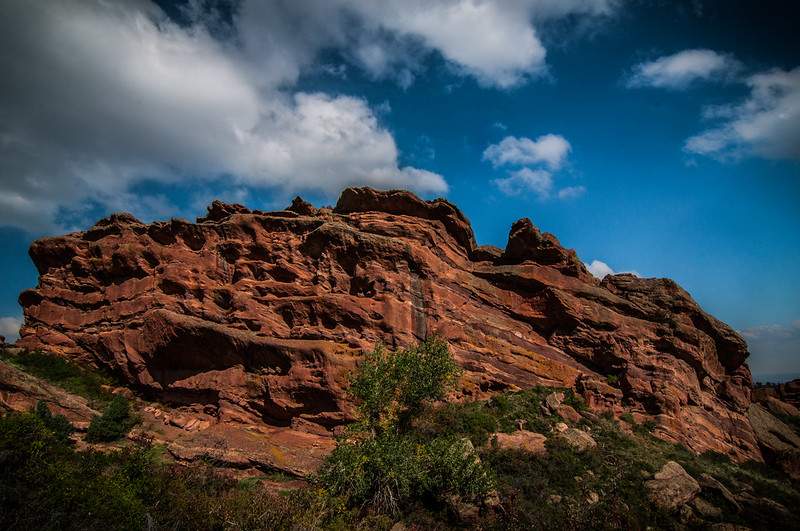
Red Rocks Trading Post Trail
Located just 25 minutes from downtown Denver in Morrison, this 1.4-mile loop weaves through the famous red sandstone formations surrounding Red Rocks Amphitheatre. The trail offers year-round access and provides stunning views of the Fountain and Lyons rock formations without requiring advanced hiking skills.
The Trading Post Trail starts at the historic Trading Post building, constructed in 1931 in Pueblo Revival style. Hiking counter-clockwise gives you the best views and some welcome shade about three-quarters through the loop. While the trail is family-friendly, supervise children carefully as some sections include steep drop-offs and narrow passages.
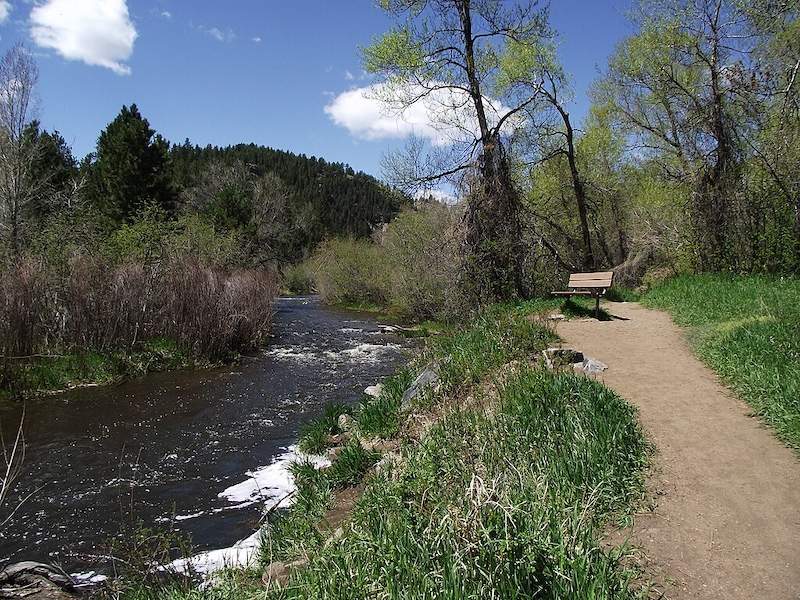
Bear Creek Trail at Lair o’ the Bear Park
This gentle 1.6-mile riverside walk follows Bear Creek through shaded aspen groves about 30 minutes west of Denver. The trail’s name comes from an old legend, and it remains one of the most popular family destinations in Jefferson County’s park system.
The creekside location provides natural air conditioning during hot summer days, and multiple picnic areas make it perfect for combining hiking with family meals. Keep your eyes open for Ouzel birds (also called Dippers) that dive underwater to feed—they’re a highlight for kids and adults alike.
Chautauqua Park Trails (Boulder)
About 40 minutes from Denver, Boulder’s historic Chautauqua Park sits directly beneath the dramatic Flatirons rock formations. Multiple trail options range from easy meadow walks to more challenging climbs, all with spectacular views of these iconic triangular peaks.
The park’s easy trails offer incredible bang for your buck—you’ll get postcard-worthy mountain views within minutes of leaving the parking area. The combination of accessibility and scenery makes this a top choice for visitors wanting to experience Colorado’s natural beauty without major physical demands.
For more beginner-friendly options and detailed family hiking advice, explore our guide to easy hikes near Denver – family-friendly options.
Moderate Hikes (Half-Day Adventures)
St. Mary’s Glacier
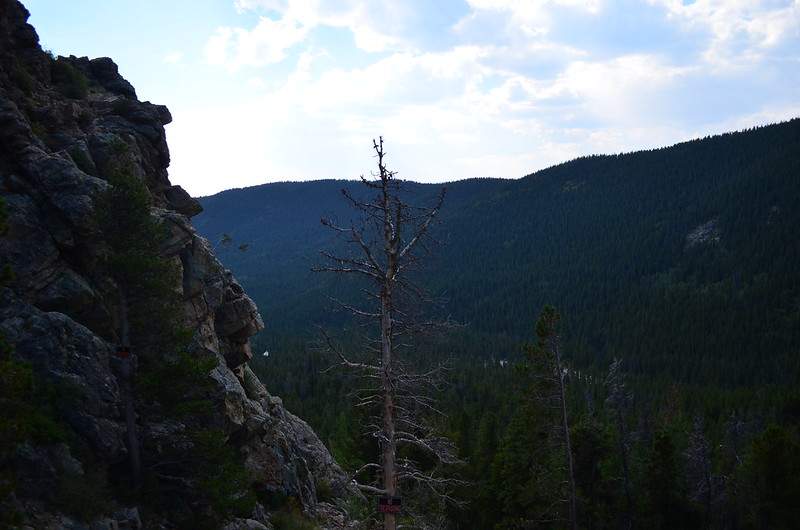
This 1.5-mile hike near Idaho Springs provides access to year-round snow and a pristine alpine lake. Starting at 10,428 feet elevation, the trail climbs about 400 feet to reach the lake, with an optional glacier climb adding more elevation gain.
St. Mary’s offers a true alpine experience without the commitment of a full-day mountain adventure. The lake reflects surrounding peaks in mirror-like calm during morning hours, and brave souls can even swim in the frigid water during summer months. Parking costs $20 per vehicle, and the lot fills early during peak season.
Mount Falcon Park
Two different approaches offer varying difficulty levels at this Jefferson County gem. The west trailhead provides easier access to the historic castle ruins and fire tower, while the east Morrison trailhead offers a more challenging workout with 2,000 feet of elevation gain.
The Castle Trail leads to ruins of John Brisben Walker’s never-completed mansion and the cornerstone of a proposed presidential summer retreat. The wooden fire tower can be climbed for panoramic views stretching from Denver’s skyline to the Continental Divide. For families, stick to the western approach and combine the Castle and Tower trails for a moderate 2.3-mile loop.
Elk Meadow Park Trails
These rolling meadows near Evergreen offer multiple loop options from 1-5 miles, with the area aptly named for frequent elk sightings. The trails provide great views without extreme elevation gain, making them perfect for trail runners and families looking for something beyond the easiest options.
The park’s location at the base of Bergen Peak creates diverse terrain from open grasslands to forested hillsides. Multiple trail intersections allow you to customize your distance, and the wide paths accommodate both hikers and mountain bikers.
For more moderate hiking options that bridge the gap between easy walks and challenging climbs, check out our comprehensive guide to moderate hikes near Denver for adventure seekers.
Challenging Hikes (Summit Pursuits and Long Trails)
Mount Bierstadt (14er)
As Colorado’s most accessible 14,000-foot peak from Denver, Mount Bierstadt offers a genuine high-altitude experience just 90 minutes from the city. The standard route via Guanella Pass covers about 7 miles round-trip with 2,850 feet of elevation gain.
This fourteener provides an excellent introduction to Colorado’s highest peaks without technical climbing requirements. The trail stays above treeline for most of the route, offering continuous mountain views but also exposure to weather. Starting before dawn helps you reach the summit by midday and avoid afternoon thunderstorms.
Chicago Lakes Trail

This 9.5-mile round-trip adventure climbs 2,600 feet to reach twin alpine lakes framed by dramatic cliffs. The trail follows the remnants of an old mining road before switchbacking up to the lakes basin.
Chicago Lakes represents the kind of high-alpine experience that makes Colorado hiking legendary. The twin lakes sit in a cirque carved by ancient glaciers, surrounded by 13,000-foot peaks that create an amphitheater of granite and snow. The length and elevation gain make this a serious undertaking requiring early starts and proper preparation.
Sky Pond (Rocky Mountain National Park)
Located in Rocky Mountain National Park’s Glacier Gorge area, Sky Pond requires about 9 miles round-trip with significant elevation gain and some scrambling near waterfalls. The trail passes several alpine lakes including Alberta Falls and The Loch before reaching the final dramatic destination.
The route to Sky Pond showcases everything that makes Rocky Mountain National Park special—rushing waterfalls, pristine alpine lakes, and towering granite peaks. Some scrambling over wet rocks near Timberline Falls adds adventure but requires caution and proper footwear. The park requires timed entry permits during peak season, so plan ahead.
For detailed information about tackling Denver’s most demanding day hikes, including training tips and gear recommendations, see our guide to challenging hikes near Denver for experienced trekkers.
Seasonal Hiking Highlights
Spring Wildflower Season
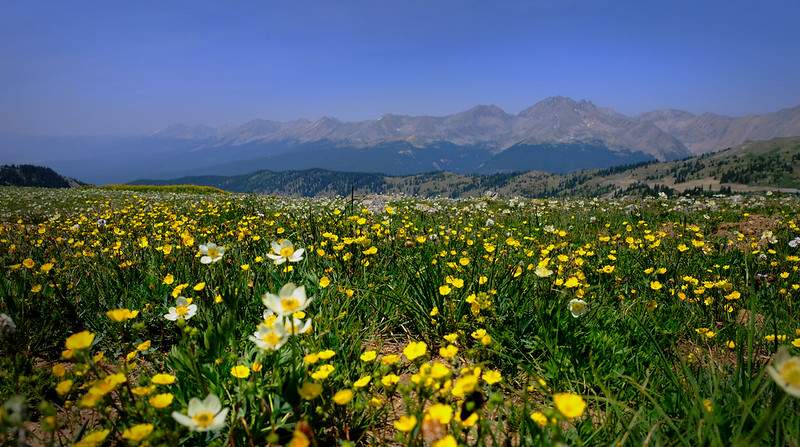
Lower elevation trails begin showing wildflowers in April and May, with peak blooms occurring from late May through June. Roxborough State Park’s Fountain Valley Trail offers some of the earliest and most reliable wildflower displays near Denver.
The foothill zones provide the best spring hiking, as higher elevation trails often remain snow-covered well into June. South Valley Park and Bear Creek Canyon offer accessible wildflower viewing without long drives to the mountains.
Summer Alpine Access
July and August unlock Colorado’s high-country hiking when snow finally melts from mountain trails. This brief window provides access to alpine lakes, glacier remnants, and peak wildflower displays at elevations above 10,000 feet.
Herman Gulch Trail near Loveland Pass exemplifies summer alpine hiking, with spectacular wildflower meadows and lake views that justify the steep 6.5-mile round-trip effort. The season is short but intense—late July through early August typically offers the most reliable conditions.
Fall Aspen Colors
Late September through early October brings Colorado’s famous golden aspen displays. Kenosha Pass, just 90 minutes from Denver via US 285, provides some of the most accessible and spectacular aspen viewing.
Fall hiking offers several advantages beyond the scenery—cooler temperatures, fewer afternoon thunderstorms, and significantly smaller crowds on popular trails. The weather remains generally stable through October, extending the hiking season well past summer’s end.
Winter Adventures
Many lower elevation trails remain accessible year-round with proper footwear. Red Rocks trails, Jefferson County Open Space parks, and urban greenway systems provide excellent winter hiking opportunities.
For those willing to embrace snow conditions, the high country transforms into a winter wonderland perfect for snowshoeing. Popular summer destinations like Brainard Lake and Rocky Mountain National Park offer completely different but equally spectacular winter experiences.
Learn more about seasonal hiking strategies and optimal timing in our detailed guide to seasonal hiking near Denver (summer vs winter hikes).
Photography and Scenic Highlights
Denver’s trails offer incredible photographic opportunities throughout the year. The dramatic red rock formations at Red Rocks and Roxborough provide stunning backdrops, while alpine lakes create perfect reflections of surrounding peaks.
The golden hour lighting in Colorado is particularly spectacular due to the high altitude and clear air. Sunrise hikes to Sugarloaf Mountain or Chief Mountain reward early risers with incredible light on the Continental Divide.
For photographers seeking the most scenic trails and tips for capturing Colorado’s natural beauty, explore our comprehensive guide to scenic hikes near Denver for photography lovers.
Waterfall and Lake Destinations
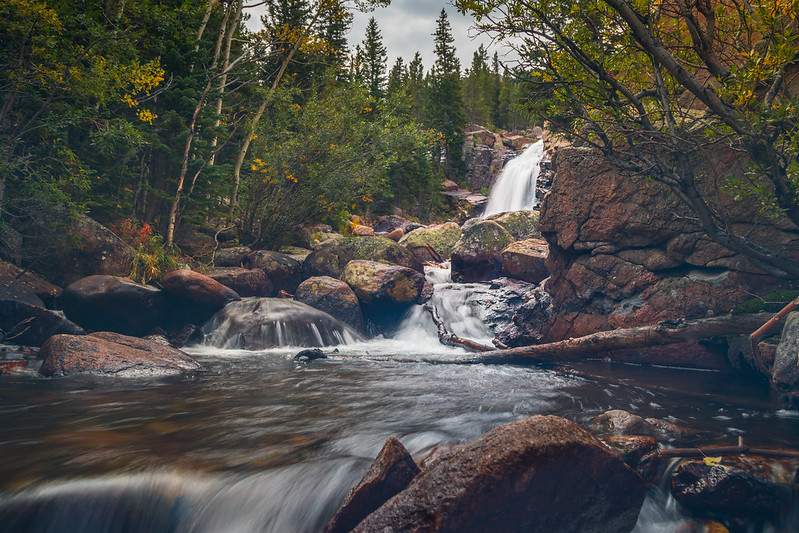
Colorado’s hiking trails provide access to numerous waterfalls and alpine lakes within day-hiking distance of Denver. Maxwell Falls near Evergreen cascades through multiple tiers in a shaded forest setting, while St. Mary’s Lake offers high-alpine beauty with year-round snow.
Rocky Mountain National Park alone contains dozens of lakes accessible via day hikes, from the easy walk to Bear Lake to the challenging trek to Sky Pond. Spring snowmelt creates the most dramatic waterfall conditions, while summer provides the best access to high-elevation lakes.
For complete information about Colorado’s most spectacular water features accessible from Denver, see our guide to best hikes near Denver with waterfalls.
Dog-Friendly Adventures
Most Jefferson County Open Space parks welcome leashed dogs, making them excellent choices for hiking with your four-legged companions. Popular dog-friendly options include Mount Falcon Park, Elk Meadow Park, and the Trading Post Trail at Red Rocks.
Different parks have varying leash requirements and seasonal restrictions, particularly during wildlife mating seasons. Always check current regulations and carry water for both yourself and your pet—dogs feel altitude effects just like humans.
For detailed information about hiking safely and responsibly with dogs, including gear recommendations and trail-specific policies, check out our guide to dog-friendly hikes near Denver.
Family Hiking with Children
Colorado’s trails offer exceptional opportunities for introducing children to outdoor adventures. Many Jefferson County parks feature wide, well-maintained trails suitable for young hikers and even strollers on paved sections.
The key to successful family hiking lies in choosing appropriate distances and maintaining children’s interest through interactive elements like wildlife spotting and nature education. Many parks offer junior ranger programs and interpretive features designed specifically for young visitors.
For comprehensive advice about hiking safely and enjoyably with children, including age-appropriate trail selections and packing essentials, see our guide to best hikes near Denver with kids.
Hidden Gems and Lesser-Known Trails
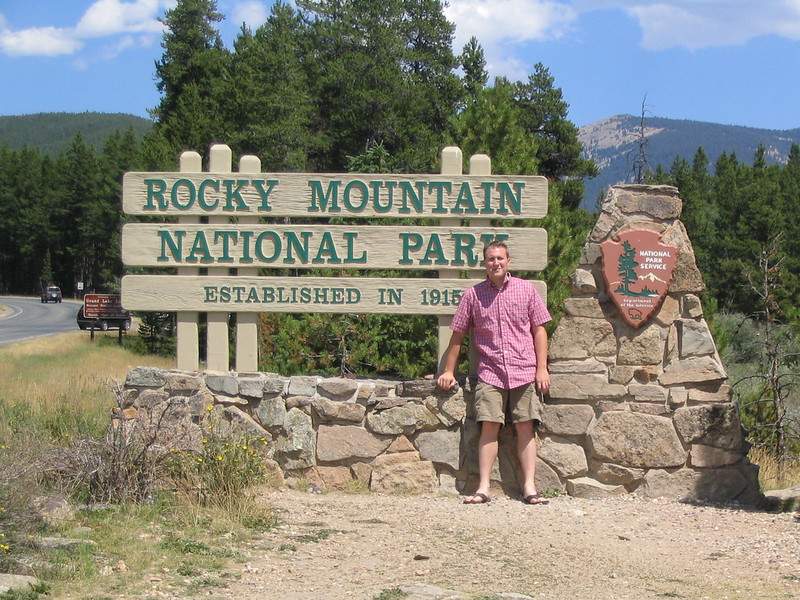
While popular destinations like Red Rocks and Rocky Mountain National Park deserve their reputations, Denver area hiking offers numerous lesser-known treasures. Devil’s Head Fire Lookout provides spectacular views with far fewer crowds than more famous peaks.
Staunton State Park, about an hour southwest of Denver, protects diverse ecosystems and offers excellent hiking with much lighter foot traffic than closer parks. These hidden gems often provide more authentic wilderness experiences without the parking hassles and crowded trails of well-known destinations.
For those seeking solitude and adventure beyond the popular spots, explore our guide to hidden gem hikes near Denver (off-the-beaten-path trails).
Safety and Preparation
Colorado hiking presents unique challenges that require proper preparation and respect for mountain conditions. Altitude affects everyone differently, and even experienced hikers need time to acclimate when visiting from lower elevations.
Weather changes rapidly in the mountains, particularly during summer afternoon thunderstorm season. Carrying extra layers, rain gear, and more water than you think necessary helps ensure safe and enjoyable adventures.
Navigation skills become critical when venturing beyond the most popular and well-marked trails. While smartphone apps provide excellent tools, carrying backup navigation and emergency supplies helps prepare for unexpected situations.
For comprehensive safety information, emergency preparedness, and essential gear lists, consult our detailed guide to safety and hiking tips for Denver day-hikers.
Permits, Passes, and Planning
Many Colorado hiking destinations require entrance fees or permits. Rocky Mountain National Park charges entrance fees and requires timed entry reservations during peak season from late May through mid-October. Colorado State Parks require daily or annual passes, though several libraries offer free checkout programs.
Jefferson County Open Space parks provide free access to their 27 parks and 269+ miles of trails. These parks offer some of the best value hiking near Denver, with excellent trail maintenance and facilities.
Planning ahead for permits and parking becomes increasingly important as Colorado’s trails grow more popular. Weekday hiking and early morning starts help avoid the worst crowding while also providing better weather conditions.
Post-Hike Destinations
After a day on the trails, Colorado’s mountain communities offer perfect spots to refuel and relax. Historic Golden provides numerous breweries and restaurants within walking distance of several trailheads. Morrison combines outdoor recreation with dining options, while Evergreen offers mountain town charm and local eateries.
Many hikers make post-trail brewery visits part of the adventure, and Colorado’s craft beer scene provides plenty of options for celebrating outdoor achievements. Hot springs destinations like Idaho Springs add another dimension to hiking adventures, offering therapeutic soaking after challenging trail days.
Gear Recommendations and Where to Shop
Quality gear makes Colorado hiking more enjoyable and safer. Local outdoor retailers like REI, Outdoor Gear Exchange, and smaller specialty shops provide expert advice and product selections tailored to Colorado conditions.
Essential items include proper footwear with good traction, layered clothing systems, adequate water carrying capacity, and navigation tools. Many items can be rented or borrowed to test gear before making major purchases.
Colorado’s active outdoor community means excellent gear selection and knowledgeable staff at local shops. Many stores offer gear rental programs, allowing hikers to try expensive items like backpacking packs or winter gear before committing to purchases.
Transportation and Access
Most Denver area hikes require personal transportation, as public transit doesn’t reach mountain trailheads. However, some seasonal shuttle services operate to popular destinations like Rocky Mountain National Park and certain Jefferson County parks.
Ride-sharing services generally don’t operate in mountain areas, so having reliable transportation becomes essential for accessing hiking trails. Rental cars work well for visitors, though mountain driving requires attention to weather conditions and proper vehicle maintenance.
Building Your Hiking Progression
Denver’s trail system allows natural progression from easy walks to challenging mountain adventures. Start with Jefferson County’s easier trails like Trading Post or Bear Creek, then gradually tackle moderate options like St. Mary’s Glacier before attempting serious challenges like fourteeners.
Building fitness and altitude tolerance takes time, but Denver’s variety allows steady progression without traveling far from the city. Each difficulty level offers multiple options, so you can gain experience and confidence while exploring different areas and trail types.
The hiking community around Denver is welcoming and supportive, with numerous clubs, meetup groups, and online communities sharing information and organizing group adventures. Many local outdoor retailers host hiking groups and educational events for skill building and social connections.
Conclusion
Denver stands out as one of America’s premier hiking destinations, offering unmatched variety and accessibility for day hikers. From red rock formations minutes from downtown to alpine lakes requiring serious mountain adventures, the Front Range provides outdoor experiences for every skill level and interest.
The combination of Jefferson County’s free trail system, Colorado State Parks, Rocky Mountain National Park, and National Forest lands creates a hiking paradise unlike anywhere else. Whether you’re seeking family-friendly nature walks or challenging peak climbs, Denver’s trails deliver authentic mountain experiences without the complexity of multi-day backpacking.
Start exploring with easier options to build your altitude tolerance and mountain skills, then gradually progress to more challenging adventures as your confidence grows. The trails surrounding Denver will keep you busy for years, with seasonal changes providing fresh experiences on familiar routes.
Pack your boots, grab plenty of water, and discover why Colorado hiking creates such devoted enthusiasts. The mountains are calling, and Denver provides the perfect basecamp for answering that call.





Leave a Reply