

Denver’s four distinct seasons transform the Front Range into wildly different playgrounds. From spring wildflower explosions to snowy winter wonderlands, each season brings unique trail magic—and its own challenges. Whether you crave sun-drenched alpine lakes in July or quiet snowshoe routes in January, here’s how to make the most of hiking near Denver year-round.
Why Seasons Matter on the Front Range
Colorado’s weather shifts quickly, especially with elevation changes. Trails that are mud-free and bursting with blooms in July might be iced over come October. Understanding seasonal conditions helps you choose routes that maximize scenery, safety, and fun—whether you’re dodging afternoon thunderstorms or layering up against frost.
Best Summer Hikes Near Denver

Why Summer Rocks
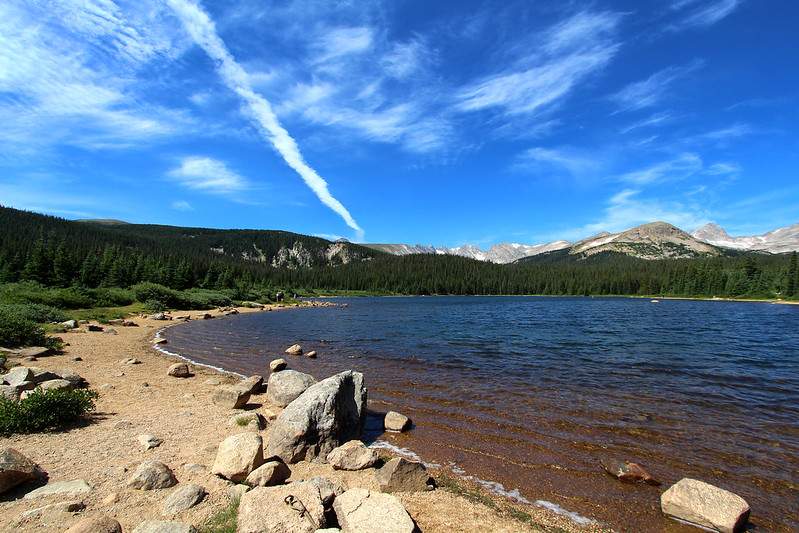
Long daylight hours, generally stable weather before afternoon storms, and full access to high-elevation trails make summer the peak season. Wildflower meadows burst into color, alpine lakes thaw, and mountain passes open up.
Top Picks
- St. Mary’s Glacier & Lake (1.5 miles round-trip): Snow patches linger beside the turquoise lake well into mid-summer. Early starts pay off with mirror-like reflections.
- Herman Gulch Trail (6.5 miles): A riot of lupine, Indian paintbrush, and paint poppies frames this high-alpine bowl near Loveland Pass.
- Chautauqua Park (various loops): Boulder’s Flatirons meadows come alive with columbine and lupine. Sunset hikes yield fiery skies against the rock slabs.
- Mount Bierstadt (7 miles round-trip): July and August are the safest windows for this 14er, with minimal snow and stable weather.
Tip: Begin hikes before 7 AM to avoid afternoon lightning and to catch cooler temperatures.
Best Winter Hikes Near Denver
Why Winter’s a Wonderland
Fewer crowds, snow-dusted pines, frozen waterfalls, and serene silence transform familiar trails into new adventures. Many lower-elevation routes remain accessible with traction devices, giving a crisp, calm alternative to summer’s bustle.
Top Picks
- Red Rocks Trading Post Trail (1.4 miles): Snow-dusted sandstone fins glow golden in low winter light. Microspikes will keep you steady on icy patches.
- Evergreen Lake Trail (1.5 miles): Skate or stroll around a frozen lake, then warm up at one of Evergreen’s cozy cafes.
- Flatirons Vista Trail (2.6 miles): A gentle loop near Boulder, offering expansive views of snowy plains and peaks beyond.
- Brainard Lake Recreation Area (various loops): Snowshoeing here feels truly remote—frozen lakes and silent forests await.
Tip: Check avalanche forecasts above 8,000 feet and stick to roads and parks that maintain winter access.
Comparing Summer vs. Winter Hiking
| Aspect | Summer Trails | Winter Routes |
|---|---|---|
| Scenery | Wildflower meadows, alpine lakes | Snow-covered pines, frozen waterfalls |
| Trail Access | Most passes open; full network | Lower elevations only; snowshoe areas |
| Crowd Levels | High on weekends; popular trails busy | Quiet, especially weekdays |
| Weather Risks | Afternoon thunderstorms common | Icy patches, avalanche zones above treeline |
| Gear Needs | Sun protection, plenty of water | Microspikes/snowshoes, layers, headlamp |
Seasonal Gear Checklist
Summer Essentials
- Breathable hiking boots or trail runners
- Sunscreen, hat, UV-protection shirts
- 2–3 liters of water and electrolyte mixes
- Lightweight layers for morning chills
Winter Must-Haves
- Insulated, waterproof boots
- Traction devices (microspikes or snowshoes)
- Warm layers (base, mid, shell) plus gloves and a hat
- Headlamp for shorter daylight hours
Tips for Safe Seasonal Hiking
- Watch the weather: Mountain storms build fast in summer; winter storms can dump snow suddenly.
- Plan timing: For summer, finish hikes by noon; in winter, start mid-morning when warmth peaks.
- Know the trail: Mud season lingers in spring; icy spots appear early in fall. Local apps like AllTrails Pro offer recent hiker reports—especially useful for checking winter conditions.
- Prepare for altitude: Even a “gentle” winter trail at 8,000 feet can challenge lungs. Take it slow if you’re new to elevation.
Where to Go Next
Ready for more variety? Try some moderate adventures with st. Mary’s Glacier Trail and more, or explore dog-friendly routes perfect for your pup’s winter paws. If safety is top of mind, dig into expert advice in our day-hiker safety tips. And when snow melts, rediscover wildflowers on easy family-friendly hikes.
Embrace the seasons—each one offers a fresh perspective on Denver’s astonishing landscapes. Pack smart, pick the right trails, and the Front Range will reward you all year long.





Leave a Reply