
You’ve sampled the easy, family-friendly loops and conquered a few creekside strolls, but now your legs are itching for something more—just enough effort to feel accomplished, yet still doable in a half day. Moderate hikes around Denver, usually 3–6 miles with 500–1,500 feet of elevation gain, hit that sweet spot. They deliver rewarding views—waterfalls, wildflower meadows, historic ruins—without the demands of all-day summit pushes.
The Perks of Moderate Hikes
These mid-level trails offer:
- Satisfying exercise without marathon planning
- Varied scenery: alpine lakes, vibrant wildflowers, forested overlooks
- Flexibility: morning start, leisurely lunch at the top, home before sunset
- A solid training ground if you’re eyeing more challenging terrain later
If you’re mapping out your next adventure, you might also enjoy our breakdown of the top hiking trails near Denver for day-hikers, which covers the full range from easy strolls to serious summit scrambles.
Standout Moderate Trails
St. Mary’s Glacier Trail
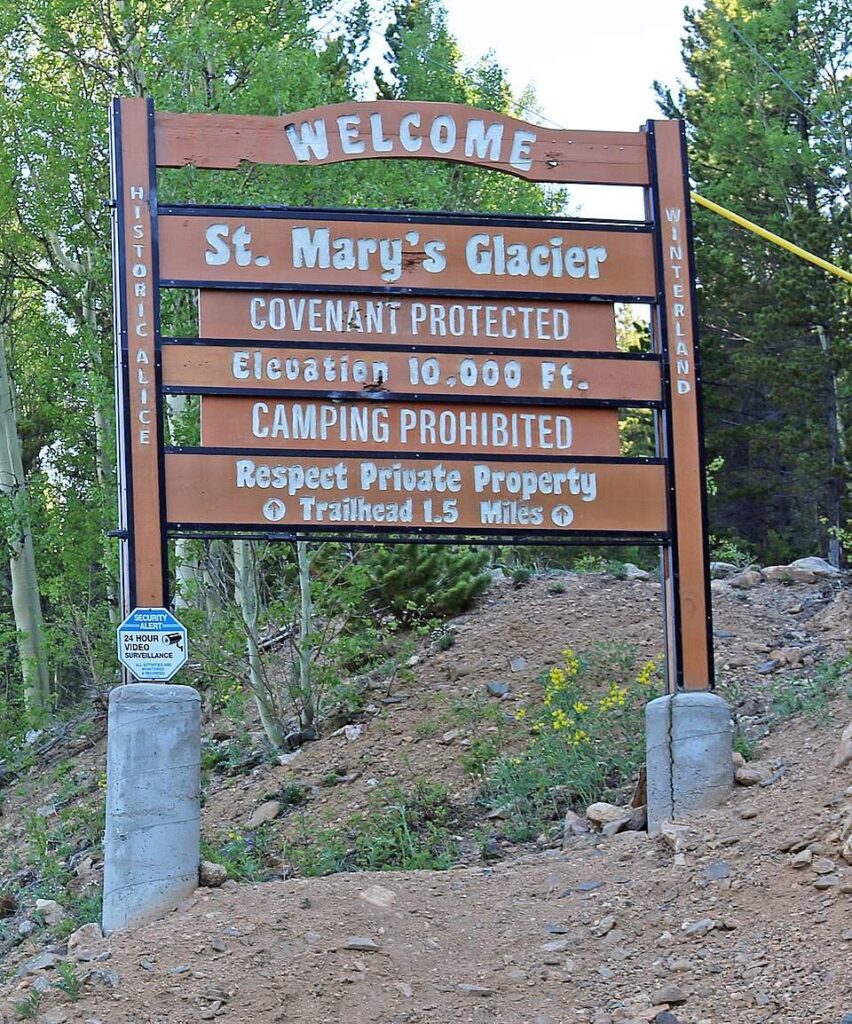
Distance: ~3 miles round-trip
Elevation Gain: ~400 ft (plus optional glacier scramble)
Drive Time: 60 minutes via I-70
Nestled near Idaho Springs at 10,400 feet, this hike feels like a miniature alpine expedition. The trail climbs through sturdy pine stands before breaching into a snowfield that persists year-round. At the lake’s edge, reflections of jagged peaks create picture-perfect vistas. Fit visitors sometimes scramble up the glacier face for an added thrill—microspikes and trekking poles recommended if you go that far.
Herman Gulch Trail
Distance: ~6.5 miles round-trip
Elevation Gain: ~1,700 ft
Drive Time: 60 minutes to Loveland Pass
Late June through July transforms Herman Gulch into a painter’s palette of wildflowers. The ascent weaves through meadows alive with lupine and Indian paintbrush, culminating in a high-alpine basin ringed by snow-topped ridges. Pikas dart among the rocks, and if you arrive before afternoon storms, the trail feels delightfully remote despite its popularity.
Roxborough’s Carpenter Peak Trail
Distance: ~6.4 miles round-trip
Elevation Gain: ~1,100 ft

Drive Time: 45 minutes south on US-85
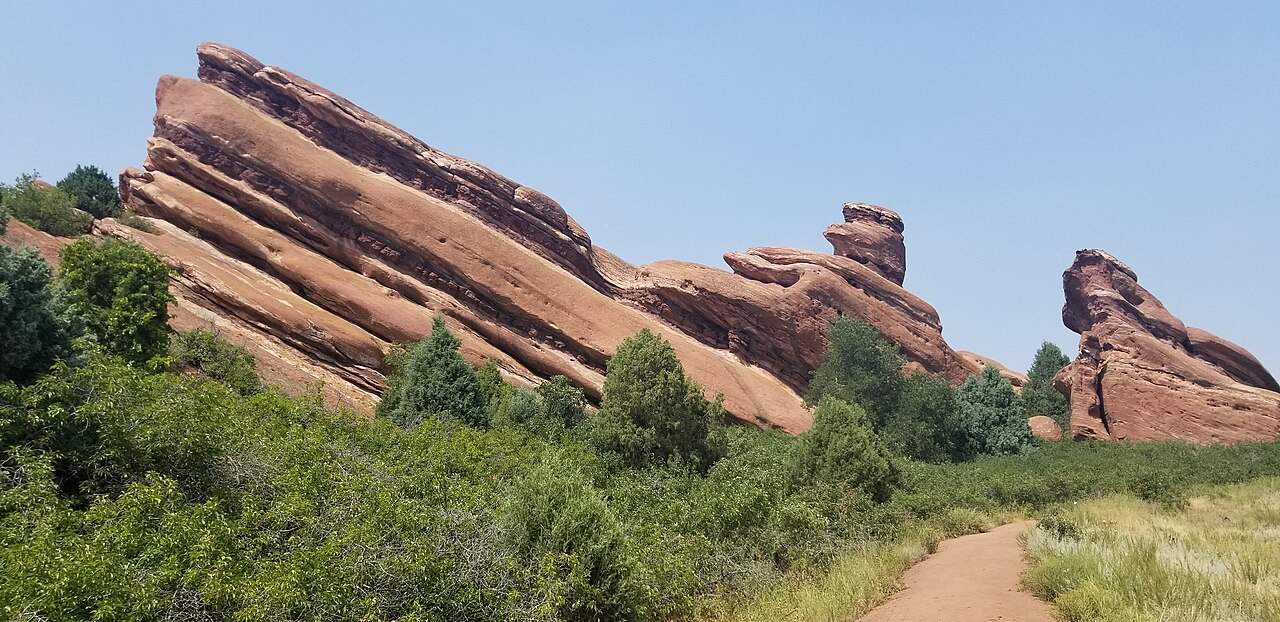
Roxborough State Park’s red spires rival those of Garden of the Gods but with fraction of the crowds. As you wind through foothill grasslands, towering sandstone fins appear, culminating in a summit view that spans the Denver skyline and the Platte River Valley. Remember, a Colorado State Parks Pass is required to enter, but the quiet, dramatic scenery makes it well worth it.
Mount Falcon’s Castle Trail Loop
Distance: ~4.7 miles loop
Elevation Gain: ~1,150 ft
Drive Time: 30 minutes to Morrison
History buffs will appreciate this route’s stone mansion ruins and century-old fire tower. The Castle Trail meanders through open fields and shady woodlands, offering peek-a-boo views of Denver’s skyline. Pause at the lookout to catch one of the best vantage points in Jefferson County, then linger with a snack bar before heading back.
Chief Mountain Trail
Distance: ~3 miles round-trip
Elevation Gain: ~1,200 ft
Drive Time: 60 minutes to Idaho Springs
A steep, straightforward climb brings you from 9,300 to 10,500 feet in just under three miles. Once you crest the summit, panoramic Front Range views stretch endlessly. The trail tread is firm and well-graded, with occasional rocky scrambles that keep things interesting but non-technical. Windbreakers and sturdy trail shoes will keep you comfortable on this exposed ridge.
Gear Essentials
Even a moderate outing near Denver demands thoughtful packing:
- Footwear: Trail shoes or light boots with sticky soles for rocky sections
- Trekking Poles: Collapsible models ease uphill strain and protect knees downhill
- Hydration Pack: 2–3 liters, plus electrolyte mixes—Colorado’s dry air dehydrates fast
- Layered Clothing: A wool base, a warm mid-layer, and a waterproof shell
- Navigation: Offline maps on AllTrails Pro or Gaia GPS; carry a backup battery
When you’re gearing up, check out lightweight trekking poles, hydration packs, and GPS watches that balance performance with packability.
Pro Tips for Smooth Adventures
- Start before sunrise or at first light—afternoon thunderstorms are almost guaranteed in summer.
- If you’ve just descended from sea level, spend at least one night in Denver so your lungs adjust before tackling higher trails.
- Bring high-energy snacks (trail mix, bars) and salt tablets to combat altitude fatigue.
- Plan to arrive at popular trailheads before 9 AM, especially on weekends—parking fills quickly.
Frequently Asked Questions
- What defines a moderate hike?
- Typically 3–6 miles with 500–2,000 feet of elevation gain, requiring reasonable fitness but no specialized skills.
- Can I bring my dog?
- Most trails allow leashed dogs. If you want more pet-focused options, check out our guide to dog-friendly hikes near Denver.
- When is the best season?
- Summer brings wildflowers and peak trail access; fall offers crisp air and golden aspens; spring can be muddy; winter might need microspikes.
- Do I need a state park pass?
- Yes—Roxborough and other state parks require daily or annual passes. Plan ahead to avoid surprises.
Explore Related Trails
When you crave a bigger challenge, consider venturing onto challenging hikes near Denver for experienced trekkers. For scenic waterfall and lake routes, don’t miss our picks for best hikes near Denver with waterfalls. If solitude is your goal, discover hidden gem hikes near Denver. And for perfect timing tips, explore options in every season on our seasonal hiking near Denver (summer vs winter) guide.
Final Thoughts
These moderate trails offer the ideal blend of effort and reward, showcasing Colorado’s front range beauty without demanding a full-on summit expedition. Lace up, load your pack, and soak in the mountain air—adventure is just a short drive from Denver.





Leave a Reply