
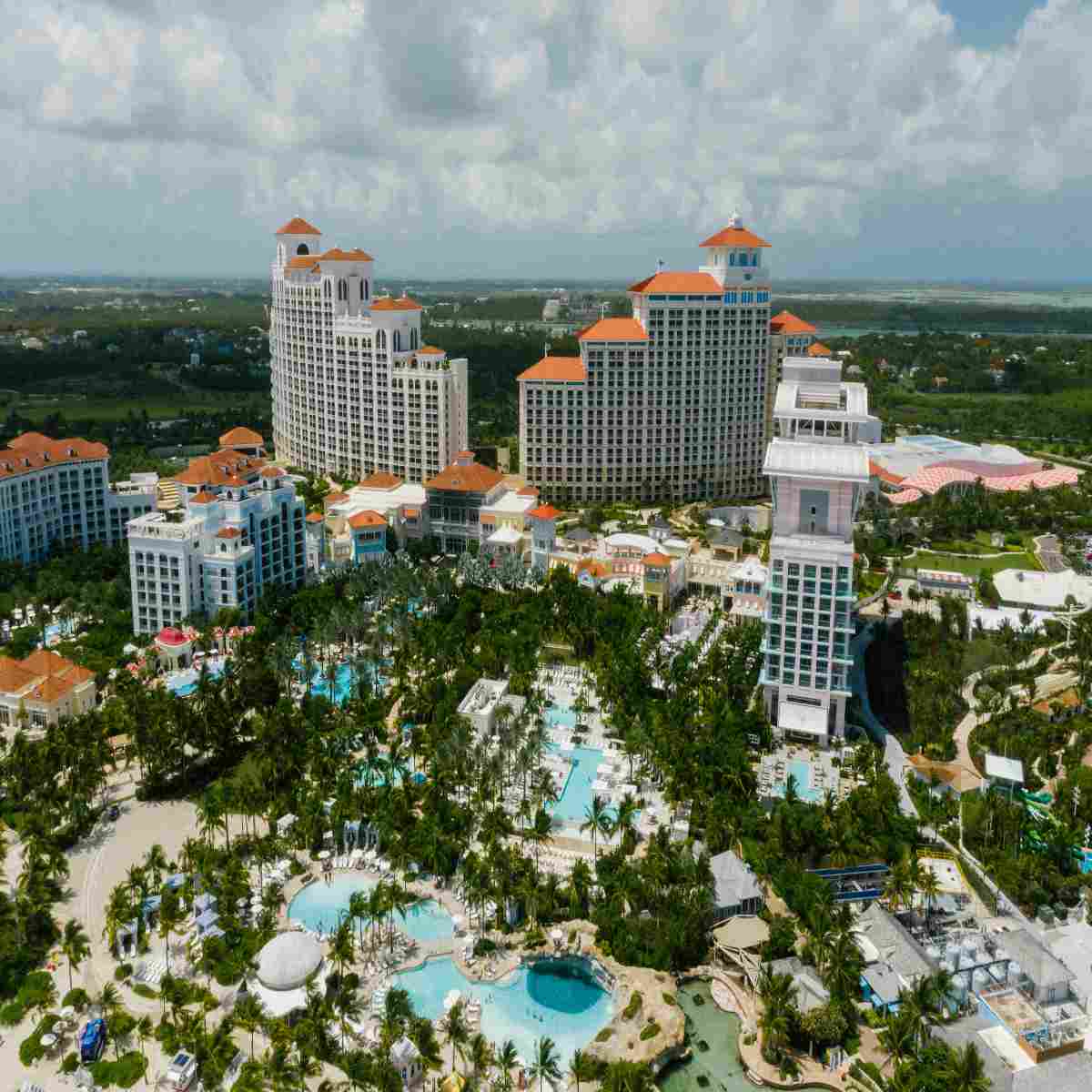
Freeport Bahamas can feel oddly simple and oddly confusing at the same time. You arrive with beach dreams, sure, but then you realize “Freeport” is both a city and a catch-all name people use for the whole visitor area on Grand Bahama. And if you plan the day like it’s all walkable… it can get frustrating fast. The good news is that once you understand the basic layout—Freeport as the commercial hub, and Lucaya/Port Lucaya as the more tourism-forward zone—everything clicks. You stop guessing, and you start choosing.
This guide is meant to be that click. Not a rigid checklist, not a glossy brochure voice. Just a practical, human plan for what to do, where to base yourself, and how to move around without spending your whole trip negotiating logistics in the sun.
Freeport Bahamas at a glance
Grand Bahama is more spread out than first-time visitors expect, and attractions aren’t clustered in one compact “old town” the way they are in some destinations. Freeport is widely described as the island’s commercial center, with visitors also arriving via Grand Bahama International Airport and the cruise port. Meanwhile, Lucaya (especially around Port Lucaya) is where a lot of travelers naturally drift because it’s built for strolling—restaurants, shops, marinas, and beach access all close together.
If you take one thing from this section, let it be this: decide early whether your day is “Lucaya/Port Lucaya day” or “explore the island day.” You can do both, but not at the same pace.
Freeport vs. Port Lucaya (yes, it matters)
People say “we’re going to Freeport” and they might mean three different things. Sometimes they mean the cruise port area. Sometimes they mean the Freeport commercial area. But a lot of the time, they actually mean Port Lucaya—the waterfront zone that’s basically the default hangout spot for visitors because it’s easy and pleasant.
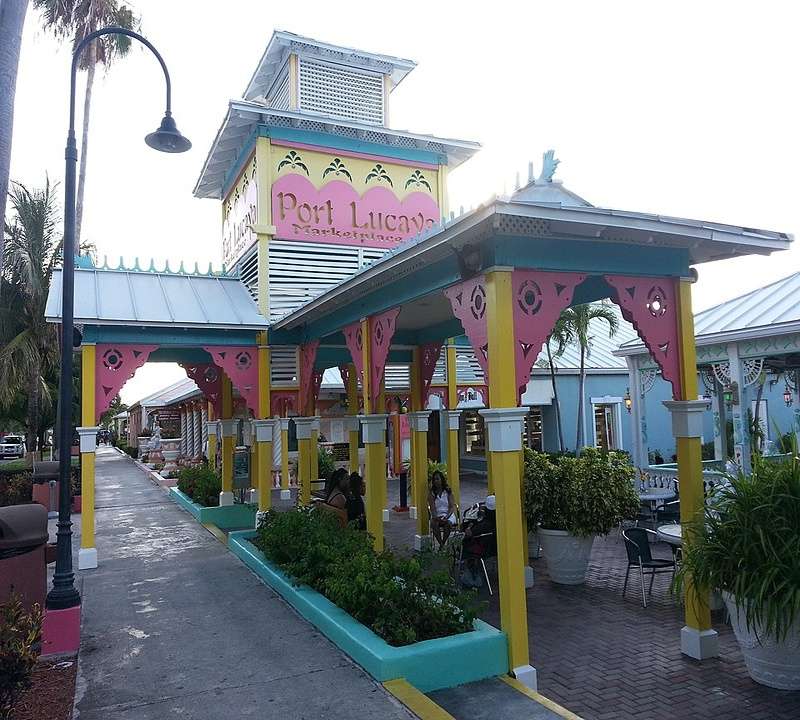
Port Lucaya Marketplace is often positioned as the island’s social hub: shopping, dining, entertainment, and beaches within walking distance. It’s also about 12 miles from the cruise port, which is useful to know upfront because it explains why you can’t just “walk off the ship and find the beach.”
If you want an easy day with minimal decisions, build around Port Lucaya. If you want the “Grand Bahama is surprisingly wild and beautiful” side—think national park landscapes and quieter stretches of sand—commit to at least one longer trip out toward the East End.
The best things to do in Freeport Bahamas (picked for real trips)
A lot of guides list 15–20 things and call it a day. I get why—they’re trying to cover every possible traveler. But most of us don’t travel like that. We choose a few anchors and let the rest happen. So, below, each idea includes a quick reality check: why it’s worth it, who it’s best for, and how much time it tends to take.
Start with Port Lucaya Marketplace if you want “easy”
Port Lucaya Marketplace is an open-air shopping, dining, and entertainment area on the Lucayan Strip, and it’s widely described as one of the prime visitor hubs on Grand Bahama. It’s the kind of place where you can show up with no plan, wander for an hour, grab lunch, and suddenly your day has structure. There are shops, straw markets, places to eat, and it’s also close enough to beaches that you can pair “marketplace time” with “swim time” without turning it into an expedition.
If you’re building a trip around this area, you’ll probably like my separate guide to the neighborhood and nearby stops:
Port Lucaya Marketplace in Freeport: what to do nearby.
Go to Lucayan National Park for the nature that surprises people
If you’ve only seen Grand Bahama through cruise photos, Lucayan National Park can feel like a different island. The park is known for its ecosystems and for an underground cave system (often called one of the longest mapped underwater cave systems in the world), plus boardwalk-style trails and access to Gold Rock Beach. On a hot day, it’s a relief to have nature that isn’t just “more sun on more sand.”
The catch is time. This is not the quick “hop out for a photo” stop unless you rush it, and rushing it misses the point. If you’re considering it, I’d rather you do fewer things and do this well.
For a step-by-step day plan (what to bring, how long to budget, and how to pair it with a beach stop), see:Lucayan National Park + Gold Rock Beach day trip guide.

Make room for a proper beach day (not just “a beach”)
“Which beach should we go to?” sounds like a simple question until you’re staring at a map and realizing the best answer depends on who you are that day. Are you with kids? Do you want facilities? Are you chasing quiet? Do you want to be near food without planning a whole itinerary around it?
Here’s the shortcut: choose your beach based on the kind of day you want, not the prettiest photo. (Almost every beach photo here is pretty.)
If you want a clear, choice-based guide rather than a long list, I put that into a separate post: best beaches in Freeport Bahamas (by vibe).
Try Peterson Cay if you want “small island” energy
Peterson Cay is described by the official Bahamas tourism site as a protected national park managed by the Bahamas National Trust, and it’s one of the most appealing “half-day adventure” ideas near Freeport. It’s basically a quick way to get that off-shore, bright-water feeling without committing to a massive travel day.
This is a good pick if you’re the type of traveler who gets restless after two hours on the same towel. I’m not saying everyone does. I’m just saying… some of us do.
Slow down at Garden of the Groves (if you need shade)
A lot of people don’t think they want a garden on a Bahamas trip until they’ve done two straight days of sun, salt, and heat. Then suddenly, shade sounds like a travel hack.
Garden of the Groves is frequently included in Freeport “things to do” lists as a calmer alternative to beaches and shopping, and it fits nicely between more active stops. It’s also a good option when the weather is mixed and you want something pleasant that isn’t dependent on perfect sea conditions.
Rand Nature Centre for a quick, low-effort nature reset
If you want a nature stop that doesn’t require a whole day of planning, Rand Nature Centre is a simple one to keep in your back pocket. It shows up in practical travel guides as an easy-to-visit green space in the Freeport area, and it works well as a “one hour, then back to lunch” kind of detour.
One-day itineraries that actually work
I think itineraries are only useful if they’re honest about trade-offs. So here are two that work well in the real world—one for cruise-style time limits, and one for a more relaxed day.
If you have 4–8 hours (typical cruise stop)
A key thing to know: the Freeport cruise port is described as being in an industrial area rather than a tourist zone, so you can’t walk to beaches or major attractions. You’ll use a taxi, a shuttle, or an excursion bus, and most popular spots are a short ride away once you accept that you need transportation.
A simple plan:
- Choose one beach (Taino Beach or Lucaya Beach are commonly mentioned as convenient, amenities-friendly options).
- Head to Port Lucaya Marketplace for lunch, shopping, and an easy wander.
- If you still have time (and energy), add a short nature stop like Rand Nature Centre.
If you’re tempted to squeeze in Lucayan National Park on a short port day, it can work if you have the longer end of that window and you’re comfortable keeping the rest of the day simple. Otherwise, I’d save it for a longer stay so it doesn’t feel like a race.
If you have a full day (or you’re staying overnight)
This is where Freeport and Grand Bahama shine a bit more. You can do a “nature plus beach” day without cutting corners.
- Morning: Lucayan National Park (boardwalk trails and cave viewpoints).
- Midday: Gold Rock Beach (bring water and snacks; let it be slow).
- Late afternoon: Return toward Lucaya/Port Lucaya for an easier dinner plan.
It’s not that Port Lucaya is “better” at night. It’s that after a full day out exploring, having options close together is comforting. I’ve learned not to underestimate that.
Best beaches near Freeport (how to choose)
Beach choice is where trips either feel effortless or oddly stressful. So let’s make it simpler.
For the easiest beach day: Taino Beach or Lucaya Beach
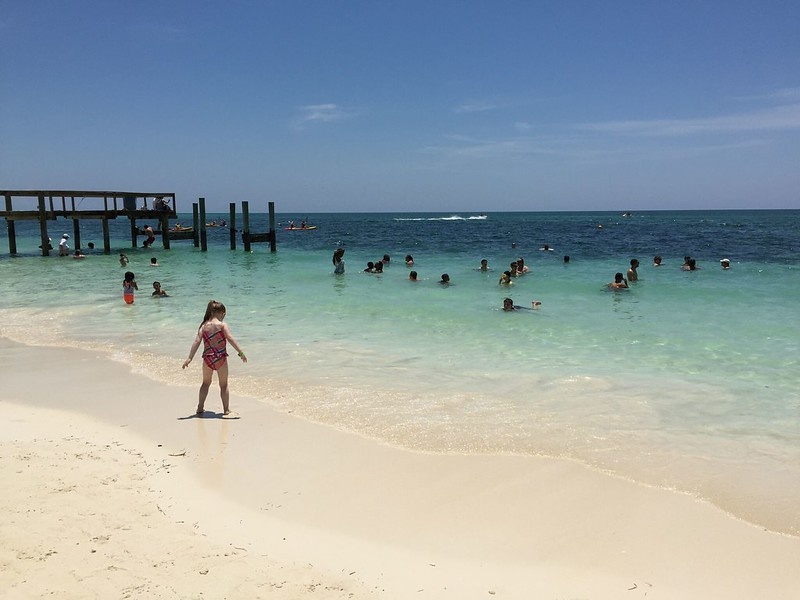
Guides that focus on the cruise experience repeatedly point to Taino Beach and Lucaya Beach as popular, accessible choices with a more “set up for visitors” feel. They’re the kind of beaches where you’re not wondering what to do next because amenities and activity are part of the package.
For quiet and space: Fortune Beach or Barbary Beach
If you’re craving a beach that feels less like an organized day out and more like you found your own patch of coastline, look toward quieter options such as Fortune Beach or Barbary Beach, which are often featured in beach roundups for Grand Bahama. The trade-off is you’ll want to be more self-sufficient—snacks, water, and a little patience.
For “beach plus browsing”: Lucaya area beaches
This is the easy pairing: swim, dry off, then drift back toward Port Lucaya Marketplace for food and a casual evening. The marketplace is described as being within walking distance of beaches, which is exactly why this combo works so well when you don’t want to spend the whole day in transit.
Where to stay in Freeport Bahamas (without overthinking it)
I’m going to say something slightly annoying: “best area to stay” depends less on the hotel and more on how you want your days to feel. If you want to wake up and walk to coffee, browse a bit, maybe end up at the beach without planning a route, Lucaya/Port Lucaya is usually the easiest base because so much visitor infrastructure is concentrated there.
If your priority is exploring farther—East End nature, quieter beaches, longer day trips—then a comfortable base matters more than perfect proximity, because you’ll be driving or riding either way. In that case, choose a place that makes your mornings easy and your evenings restful. It sounds obvious, but we forget to plan for energy.
The official Bahamas tourism site frames Freeport as the commercial hub, with the airport and cruise port, and calls out Port Lucaya and the East End (Lucayan National Park, Gold Rock Beach) as key areas. That’s a good mental map to use when you’re deciding where you’ll spend most of your time.
Getting around: taxis, shuttles, and when to rent a car
Getting around Grand Bahama is straightforward once you accept one thing: it’s spread out. There isn’t a single walkable “tourist core” connected to everything else, and the cruise port itself is not in the middle of attractions.
Taxis and shuttles (best for short visits)
For cruise travelers especially, the common pattern is taxi or shuttle from the port to either Port Lucaya or a nearby beach, then taxi or shuttle back. Local travel guidance for Grand Bahama emphasizes that taxis are widely available at major visitor points (cruise port, airport, Port Lucaya Marketplace) and that confirming the price before you ride is a smart habit.
One practical detail that reduces stress: taxi pricing is often discussed either as fixed for popular routes or regulated, and the best move is still the same—agree on the fare before the car moves. It’s a tiny conversation that saves you from a weird ending to an otherwise good day.
Renting a car (best if you want the East End)
If you’re staying multiple days and you want to explore beyond Lucaya—especially toward Lucayan National Park and Gold Rock Beach—a rental car can be the difference between “we’ll see” and “we did.” Local guidance also notes the essentials: driving is on the left, roads are generally manageable, and it’s worth filling up before longer drives because services are more concentrated around Freeport.
That said, if you hate the idea of navigating in a new place, don’t force it. There’s no trophy for driving yourself on vacation. A well-timed taxi day can be the more relaxing choice, even if it costs a little more.
Eat like you’re actually on an island
Food is where a destination stops being a backdrop and starts feeling like a place. And yes, you can eat well in the Lucaya area—no shame in choosing convenience. But if you want a meal that feels more “this is Grand Bahama,” it helps to step slightly outside the standard loop.
Smith’s Point fish fry (a classic evening plan)
The Smith’s Point area is known for its fish fry scene, and one featured local spot—Penny’s at Smith’s Point—is described as a family-run place serving straightforward Bahamian plates like fried snapper and BBQ. The point isn’t that you must eat at one specific stand. It’s the overall vibe: open-air seating, a relaxed crowd, and food that tastes like the island actually feeds itself this way.
If your days have been beach, beach, beach, this is a nice way to make the evening feel different without dressing up the whole trip.
Little mistakes to avoid (so the day stays fun)
I don’t love “what not to do” sections because they can sound preachy. But a few small missteps come up often enough in Freeport planning that it’s worth being gently direct.
- Don’t assume you can walk from the cruise port to attractions; the port is described as being in an industrial zone and transportation is part of the day.
- Don’t try to do “all the highlights” in one short visit; choose one anchor (beach or national park) and let the rest be flexible.
- Don’t skip the basic map check: Freeport and Port Lucaya aren’t the same place, and your taxi time depends on which one you mean.
- Don’t forget that conditions change; local guidance acknowledges that the island has dealt with major hurricanes historically, so it’s normal to double-check what’s open and what’s worth your time.
Conclusion: a simple way to enjoy Freeport Bahamas
The easiest way to enjoy Freeport Bahamas is to make one early decision and let it guide the rest: are you building the day around Lucaya/Port Lucaya convenience, or are you going out for nature and space? Once you pick that, everything gets calmer—transportation choices, timing, even where you eat.
If you’re still undecided, I’d start with a beach plus Port Lucaya Marketplace on a short visit, and save Lucayan National Park for a longer day when you can slow down and let it be the main event. Not every trip needs to be maximal. Sometimes the best travel days are the ones where you finish thinking, “We did enough,” and you actually mean it.
Leave a Reply