
Why Flamenco Beach Still Lives Up to the Hype
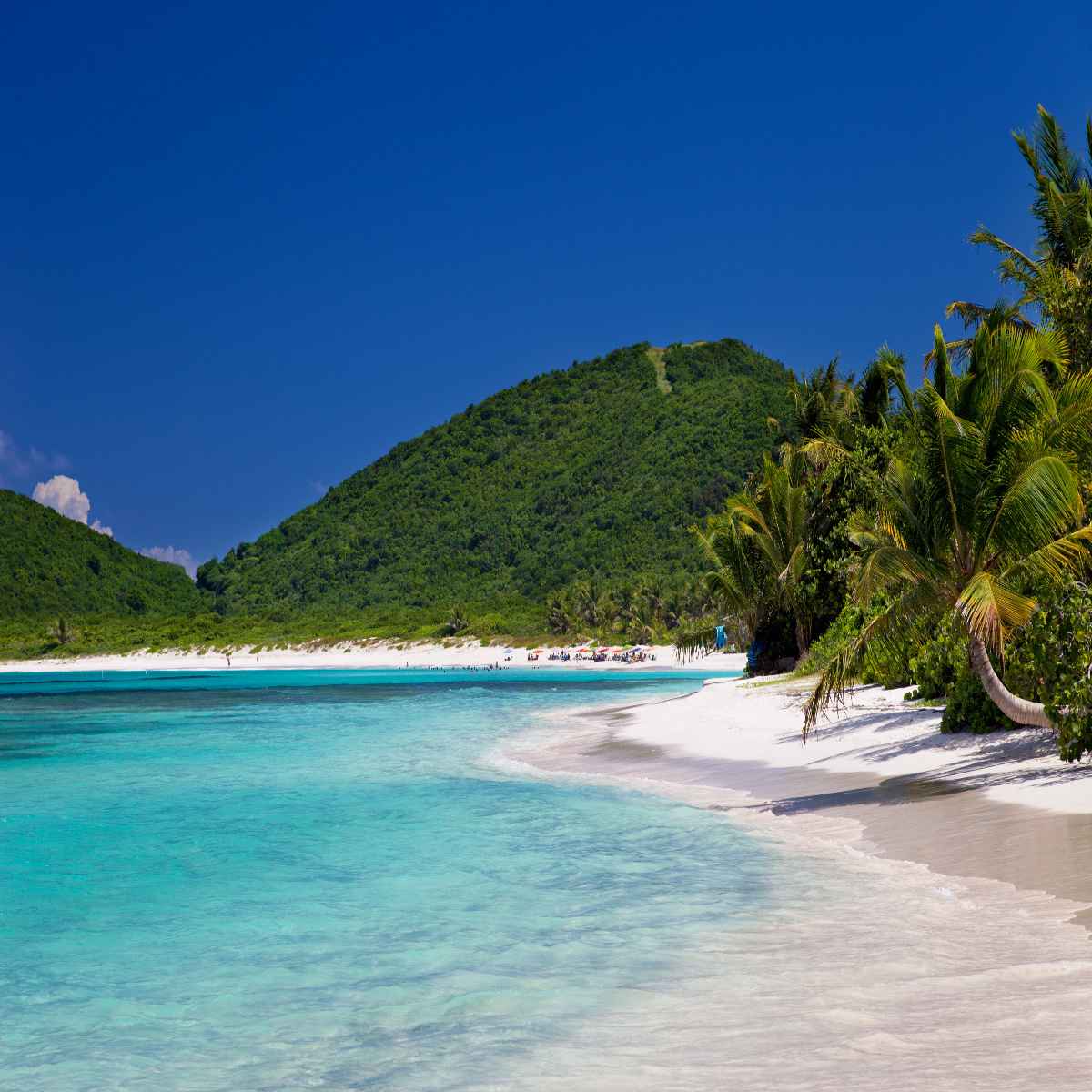
Some places are over-marketed. Flamenco Beach isn’t one of them. The bay is naturally sheltered, the waves are usually gentle, and the sand has that powdery feel people try to describe but rarely nail—somewhere between silk and sugar. You can swim, snorkel, nap, or walk the shoreline and stare at the horizon. It sounds simple because it is.
And yes, the graffiti-covered tank at the west end is real. It’s a remnant of the island’s military history, now a colorful, weather-worn landmark. People wander out for a photo at golden hour; others prefer the quiet near the treeline. Both are fair choices.
Where Flamenco Beach Is—and What Makes It Different
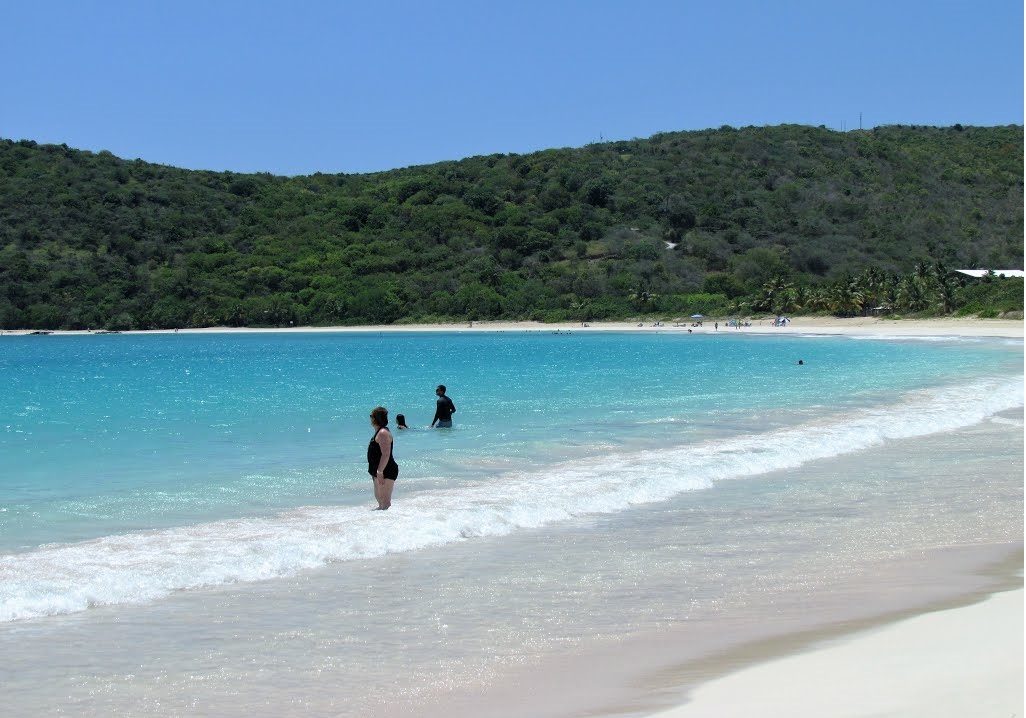
Flamenco Beach sits on the northwestern side of Culebra, a small island off Puerto Rico’s east coast. The bay is a shallow horseshoe, which creates that calm, glassy feel most of the year. Behind the beach, a lagoon and low vegetation keep the scene low-rise and natural—no resorts towering over the sand.
If you like beaches with a bit of character (not just pretty), this one blends soft sand with a sense of place. The walk from the parking area to the water is straightforward, and there are amenities without the carnival vibe: bathrooms, outdoor showers, and food kiosks that open late morning most days.
Getting to Flamenco Beach: Ferry, Flight, or Tour
There are three honest ways to do this, and which you choose depends on your tolerance for uncertainty (and early alarms).
Option 1: Ferry from Ceiba
You’ll drive or rideshare from San Juan to the Ceiba terminal (about 1.5 hours), then take the passenger ferry to Culebra. The ferry ride is roughly 45–55 minutes. When you arrive in Culebra, shared vans (públicos) wait right outside and take you to Flamenco Beach for a small per-person fee. It’s cost-effective and perfectly fine—just build in buffer time on busy days and check schedules early.
Anchor text link: Take the guesswork out of transport with our Ferry vs Flight guide to Flamenco Beach.
Option 2: Short Flight to Culebra
Small-plane flights from the mainland are quicker and, frankly, more relaxing. You land at Culebra’s airport, grab a taxi van or golf cart, and you’re on the sand fast. This is the “buy peace of mind” option—especially in windy seasons when ferries can be more variable.
Option 3: Catamaran or Snorkel Tour
If you don’t want to juggle tickets and timing, a tour can be the sanity saver. Many include snorkeling at nearby reefs, lunch, and drinks, with some itineraries adding time at or near Flamenco. You trade flexibility for ease, which—let’s be honest—can be worth it on a short trip.
Practical note: Cargo ferries are primarily for residents and freight; don’t plan on taking a rental car across. Golf carts or taxis on-island are the norm and work well for a day.
Hours, Fees, Parking, and On-Beach Essentials
Expect a small per-person admission at the main gate, plus paid parking if you’re driving. Gates and kiosk hours generally track daylight—think mornings through late afternoon—with the beach itself accessible beyond those hours on foot. Bring cash for food kiosks, chair/umbrella rentals, and small purchases; cards aren’t always accepted.
Facilities include restrooms, outdoor showers, and lifeguard coverage during the day. Coolers are fine, but glass isn’t. If you’re camping, there’s a separate check-in process with rules around quiet hours and designated areas.
Today’s Status (Template you can update on publish)
- Admission: Typically a small fee per person (cash recommended).
- Parking: Paid lot by the main entrance; fills on weekends and holidays.
- Kiosk Hours: Late morning to late afternoon; vary by day/season.
- Glass Policy: Not allowed. Coolers OK; please pack out trash.
Snorkeling Flamenco Beach: East vs West
Here’s the quick mental map. Facing the water, the east end has an easy entry near the rock rows—great when you want a gentle start. To the west, toward the tank, look for darker patches offshore; that’s where reef structure and fish activity tend to be livelier. On calmer days, you’ll see schools of tangs, wrasse, and the occasional ray slipping by.
In winter, swells can nudge the flag from green to red. If it’s choppy or visibility drops, consider a short hop to nearby reefs with better protection. And if turtles are on your list, plan a session at Tamarindo or Carlos Rosario—just manage expectations and give wildlife space.
Anchor text link: For precise entries and reef etiquette, read the Flamenco Beach Snorkeling Guide.
Food, Kiosks, and Rentals
The kiosk row behind the beach is part of the charm—simple, satisfying Puerto Rican favorites like empanadillas, pinchos, and cold drinks. Hours can be seasonal, so don’t cut it too close if you’re counting on lunch. If you prefer a sure thing, bring a picnic and treat the kiosks as a bonus.
Umbrella and chair rentals are typically available near the main access. Snorkel gear can be rented either on the beach (limited) or from shops in town; experienced snorkelers often bring their own mask to guarantee fit.
Family-Friendly and Accessibility Notes
Families love Flamenco for a reason: the water is usually calm, there’s room to spread out, and the shallows on the far right side are wonderful for toddlers. Shade collects near the treeline; arrive earlier if mid-day sun is a concern. Lifeguards are present during the day, and the sand is firm enough along the waterline for an easy stroller push.
If mobility is a consideration, the main access is the smoothest route from parking to sand. Restrooms are near the central area. For beach wheelchairs, check availability on-island ahead of time—supply can be limited.
Camping at Flamenco Beach: Reservations and Reality
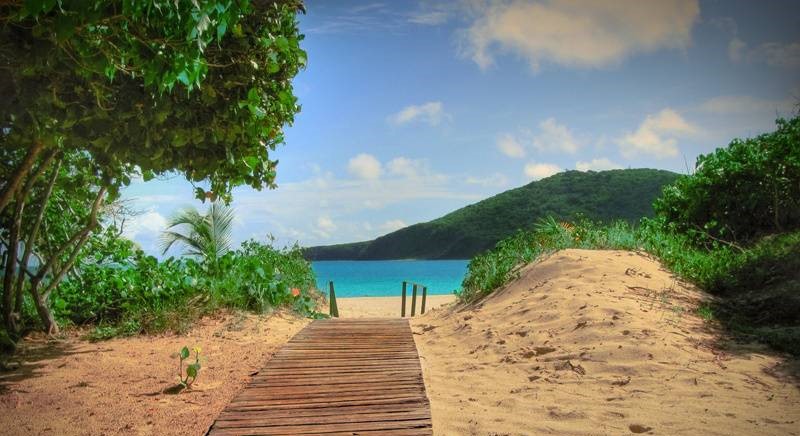
Camping here is as close as you’ll get to waking up with the bay to yourself. Spots are designated, reservations required, and amenities basic: bathrooms, showers, water points. No frills, plenty of stars. Plan for bugs at dusk, secure your food, and pack a headlamp—nights are dark in the best way.
Expect nightly fees per tent, bring cash, and arrive early on weekends to settle in without rushing. If you’ve never camped on the beach, the breeze is a gift, but it also means stake your tent well and keep gear tidy. Sunrise will do the rest.
Anchor text link: Step-by-step booking and gear list in our Flamenco Beach Camping Guide.
When to Go: Weather, Crowds, and Photography
Midweek visits are calmer. Mornings offer the softest light and the emptiest sand; late afternoons bring those warm tones everyone loves in photos. Winter can be breezier with a chance of swell, while summer is typically calmer and warmer in the water.
If you want a tank photo without a crowd, head west along the beach earlier in the day. If you’d rather skip it, wander the opposite way and enjoy long, open views—the curve of the bay makes even a casual walk feel cinematic.
Nearby Alternatives and Add-Ons
If the wind isn’t cooperating, try Tamarindo for turtles or Carlos Rosario for clearer snorkel conditions when the main bay is stirred up. Both are close enough for a half-day side trip. Zoni Beach is wilder and less busy—great when you want a change of scene without losing that off-grid feel.
On a longer stay, consider a small-boat or catamaran day to explore waters off Culebrita or Luis Peña. It’s a different kind of day—more time on the water, less on logistics—and pretty easy to recommend if you like variety.
Respect the Place: Quick Checklist
- Use reef-safe sunscreen and consider a long-sleeve rash guard.
- Pack out trash; the wind carries light items quickly.
- No glass. It keeps the sand safe for everyone’s feet.
- Don’t stand on coral or chase turtles; give wildlife room.
- If flags are up, heed them; winter swells can be deceptive.
Three Ready-Made Day Plans from San Juan
Budget-Friendly Ferry Day
Leave early, give yourself time at the terminal, and aim for the first or second ferry out. Shared van to the beach, kiosk lunch, slow afternoon swim, and a late-afternoon return. Simple, satisfying, and the classic way to do it.
Fly In, Ferry Out
Catch a morning flight to Culebra for maximum beach time, then take an evening ferry back. It’s the sweet spot if you want convenience without paying for round-trip flights. Keep your packing compact; transitions are faster when you’re light.
Catamaran + Snorkel Day
Board in the morning, snorkel at protected reefs, lunch onboard, and finish with time at or near Flamenco depending on the operator. Great for mixed groups and anyone who prefers “show up and relax.”
Packing List That Actually Helps
- Reef-safe sunscreen, hat, and a light long-sleeve.
- Mask and snorkel you trust; fins if you plan to range farther.
- Cash for kiosks, taxis, and rentals.
- Water bottle and snacks if you’re picky about timing.
- Light towel, compact shade if you have kids, and a dry bag.
- For campers: headlamp, insect repellent, sand stakes, and a simple tarp.
Flamenco Beach FAQs (Short and Honest)
Is Flamenco Beach good for kids? Yes—gentle water, space to spread out, and easy facilities. Keep shade and hydration in mind.
Can I bring a cooler? Yes, but avoid glass. Pack out everything you bring in.
Is there shade? Natural shade near the treeline; portable shade helps in midday sun.
Do I need a car on Culebra? Not for Flamenco alone. Taxis and golf carts cover most needs on a day trip.
Is snorkeling better in the morning? Often—lighter winds, fewer people, and kinder light. But play the conditions you get.
Related Guides from Outdoor Holiday
Transport decisions can make or break your day. If you’re deciding between routes, compare options in the Ferry vs Flight guide woven into our “Getting there” section above. Snorkelers will get more from the detailed entries and safety tips in the Flamenco Beach Snorkeling Guide. And if sleeping by the sea sounds right, the Flamenco Beach Camping Guide covers reservations, costs, and a realistic packing list.


Leave a Reply