
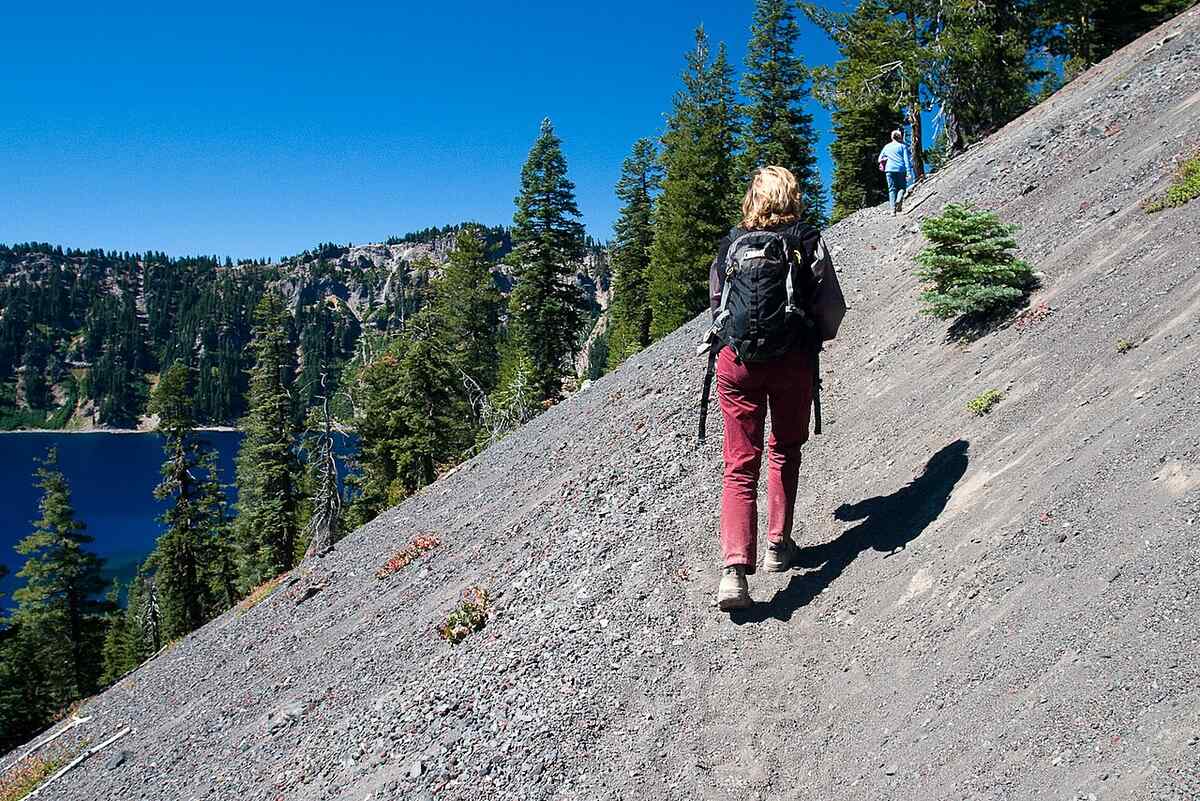
Denver’s trails are stunning, but conditions can shift in a heartbeat. Altitude, weather, wildlife, and terrain all demand respect and preparation. These safety guidelines and practical tips will help you turn a great hike into a safe, memorable adventure.
Understanding Denver’s Hiking Conditions
Altitude Awareness
Denver sits at 5,280 feet, and many trailheads climb above 9,000 feet. Even seasoned hikers can feel winded when ascending from sea level. Common symptoms of altitude sickness include headache, nausea, dizziness, and shortness of breath. To prevent issues:
- Spend a day in Denver before tackling high-elevation trails.
- Hydrate aggressively—aim for at least 2–3 liters of water per day plus electrolytes.
- Ascend gradually when possible, taking rest breaks every 500–1,000 feet of gain.
Rapid Weather Changes
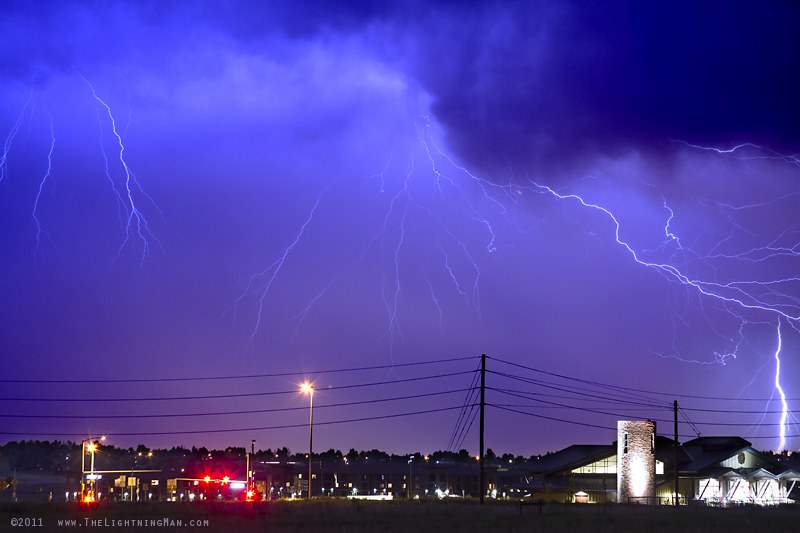
Mountain weather is famously unpredictable. In summer, afternoon thunderstorms often roll in by 1–2 PM, bringing lightning and hail. During shoulder seasons, snow and ice patches can linger on shaded sections. Always check local forecasts and plan to summit or descend by midday when storms build.
Essential Safety Gear
Packing wisely can save your day if conditions deteriorate or you become delayed.
- Layered Clothing System – A moisture-wicking base layer, an insulating mid-layer (fleece or down), and a waterproof wind shell. Temperatures can swing 30°F between trailhead and peak.
- Sturdy Footwear – Trail shoes or hiking boots with good tread resist rolling ankles on uneven ground. In winter or icy spring conditions, microspikes or snowshoes can be lifesavers.
- Navigation Tools – Download offline trails on apps like AllTrails Pro or Gaia GPS, and carry a paper map and compass—phone batteries die in cold or lose signal above treeline.
- Hydration & Nutrition – Carry at least 2 liters of water per person, plus high-energy snacks (nuts, bars, dried fruit).
- Emergency Supplies – A headlamp with extra batteries, a whistle, a basic first-aid kit, firestarter (matches or lighter), and an emergency bivy or space blanket.
Trail Etiquette and Leave No Trace Principles
Keeping trails safe and pristine benefits everyone.
- Yielding Rules – Uphill hikers have the right of way. When meeting cyclists or horses, step to the downhill side and give clear signals.
- Minimize Noise – Respect wildlife and other hikers by keeping chatter low and avoiding loud music.
- Pack It In, Pack It Out – Carry out all trash, including organic waste like orange peels.
- Stay on Trail – Cutting switchbacks damages soil and encourages erosion.
- Respect Wildlife – Observe animals from a distance. Never feed or approach them—habituated wildlife can become dangerous.
Wildlife Safety
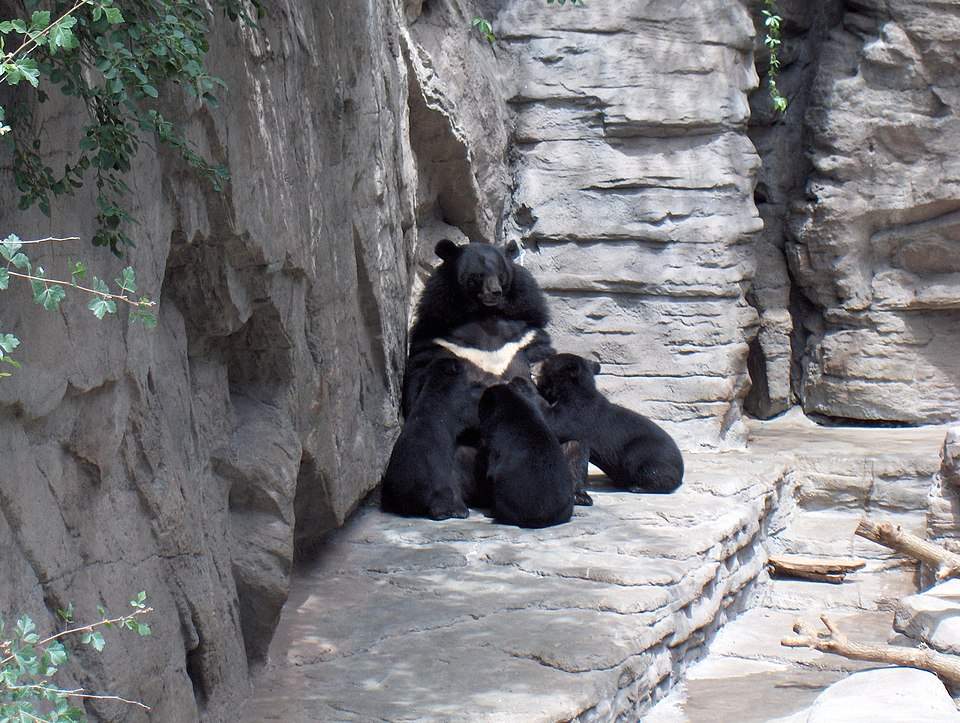
Colorado’s foothills and mountains host a variety of wildlife:
- Deer & Elk: Calm and curious but can become defensive during rut (fall) or calving (spring).
- Black Bears: Rare at moderate elevations, but know bear safety—make noise on approach, carry bear spray in bear country, and store food properly.
- Rattlesnakes: Common between April and October in lower-elevation zones. Stay on open areas, watch where you step, and give snakes wide berth.
- Mountain Lions: Extremely rare, but hike in groups, keep children close, and don’t run if you encounter one—stand tall, make noise, and back away slowly.
Hiking with Kids and Groups
Family and group trips add fun but also extra responsibility:
- Set a realistic turnaround time to ensure you finish before weather or fatigue sets in.
- Establish a buddy system—pair inexperienced hikers with stronger companions.
- Teach children basic trail safety: stay on path, don’t touch plants or wildlife, and signal if they feel unwell.
For stroller-friendly family routes, see our guide to easy hikes near Denver – family-friendly options.
Seasonal Safety Tips
Summer
- Start hikes by 6–7 AM to avoid afternoon thunderstorms.
- Wear sun protection—sunscreen, sunglasses, and a hat—Colorado UV is intense.
- Carry extra water for heat and altitude; consider electrolyte tablets.
Winter
- Check trail conditions and closures—some roads close after snowfall.
- Use traction devices (microspikes, crampons) on icy or rocky sections.
- Dress in layers, keeping core warm but breathable to prevent sweating.
Spring & Fall
- Watch for muddy or snowy patches.
- Temperatures vary widely—carry both sun and rain protection.
- Autumn brings falling leaves that can obscure trails; use GPS or map to stay on course.
Emergency Preparedness
If you get lost or injured:
- STOP Method: Stop, Think, Observe, Plan. Don’t wander aimlessly—stay where you are.
- Signal for Help: Use a whistle (three blasts is the universal distress signal) or reflective mirror.
- Contact Authorities: Cell signal can be spotty—note nearest trailhead name and mile marker to relay location. The statewide emergency number is 911.
- Share Your Plan: Always tell someone your route, expected return time, and emergency contacts before departing.
Quick-Checklist Before You Go
- Trail route downloaded and printed
- Weather forecast checked (trailhead and summit)
- Layers, navigation, first-aid, and emergency kit packed
- At least 2 liters of water per person
- High-energy snacks in easily accessible pockets
- Group or family departure and return plan communicated
Hit the trail prepared, respect the mountains, and you’ll enjoy all the beauty the Denver area offers—safely and comfortably. Happy hiking!





Leave a Reply