
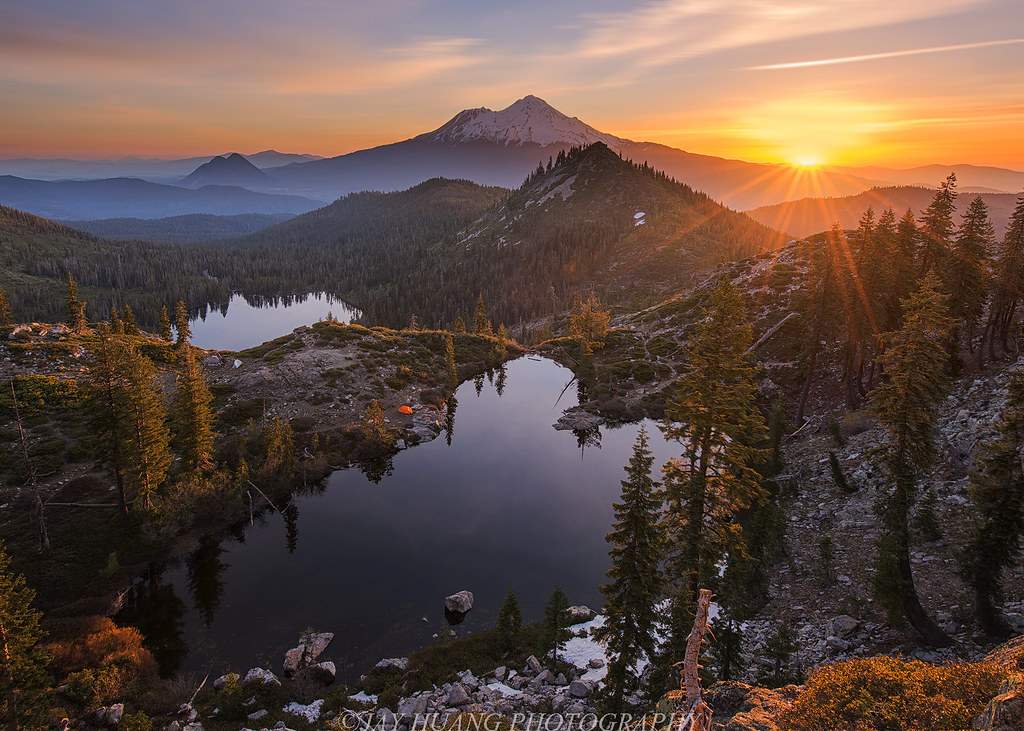
Big Heart Lake stands as a true backcountry gem, known for its crystal-clear turquoise waters framed by rugged granite peaks. Nestled deep in Washington’s Alpine Lakes Wilderness, this trail offers the ultimate wilderness experience—whether tackled as a long day hike by fit adventurers or enjoyed over two days as an overnight backpacking trip. The combination of multiple alpine lakes, lush meadows, cascading waterfalls, and true remoteness makes Big Heart Lake a bucket-list destination for serious hikers. This hike is part of our Best Day Hikes Near Me (Washington Edition), where we highlight Washington’s most iconic hiking experiences.
Big Heart Lake Trail Overview (Quick Facts)

-
Distance: ~14–15 miles round trip
-
Elevation Gain: ~3,200 ft
-
Difficulty: Strenuous (long distance + steep elevation)
-
Trail Type: Out-and-back
-
Location: Alpine Lakes Wilderness, near Skykomish, WA
-
Family-friendly? No—too lengthy and strenuous for most children
-
Dog policy: Dogs allowed on leash
| Quick Comparisons |
|---|
| For a shorter family-friendly outing, try Mount Zion. |
| For another big alpine challenge, explore Panhandle Gap. |
Big Heart Lake’s route visits Lower and Upper Trout Lakes, Copper Lake, Little Heart Lake, and culminates at the spectacular Big Heart basin, creating a progressive showcase of alpine scenery.
Getting to the Trailhead
Trailhead: West Fork Foss River Trailhead
Directions from Seattle (~1 hr 45 min):
-
Take US-2 east through Monroe and Sultan to Skykomish.
-
Turn left onto Beckler Road (Forest Road 6020) and follow 11 miles to the West Fork Foss River trailhead.
Roads remain paved for most of the drive, transitioning to gravel in the final miles. Parking is limited—plan to arrive before 7:00 AM during summer weekends. A Northwest Forest Pass ($5 daily or $30 annual) is required; “frequent hikers save money with an annual Northwest Forest Pass”.
The Trail Experience – Step by Step

Beginning Along Foss River (Miles 0–3)
The trail begins in dense old-growth forest, following the West Fork Foss River with frequent creek crossings over sturdy bridges. Gentle at first, the path gains elevation steadily, offering glimpses of distant granite walls and the soothing sounds of rushing water.
Lower & Upper Trout Lake (Miles 3–5)
At roughly three miles, you reach Lower Trout Lake—an early alpine jewel perfect for a rest. Continuing another two miles brings you to Upper Trout Lake, where pristine waters reflect towering peaks. These lakes serve as excellent early-day snack or camping spots for backpackers.
Copper Lake (Miles 5–6.5)
Beyond Trout Lakes, the trail steepens toward Copper Lake. This turquoise alpine basin often provides the first “wow” moment of the hike. Break here for photos and snacks before tackling the stronger ascent ahead.
Little Heart Lake (Miles 6.5–8)
A short climb above Copper Lake leads to Little Heart Lake, a smaller, less crowded tarn perfect for photography. Less traffic here means more solitude and wildlife sightings—marmots and pikas often frequent the rocky shores.
Final Push to Big Heart Lake (Miles 8–7)
The last two miles demand sustained switchbacks and uneven rocky sections. “A sturdy pair of trekking poles is highly recommended here” to aid on the steep, technical footing. Expect to gain the final 800 feet over challenging terrain.
Big Heart Lake Basin (Mile 7–7.5)
Upon arrival, Big Heart Lake opens into a broad alpine cirque surrounded by sheer cliffs. Its crystal waters invite a lunch break, and backpackers can claim one of the well-established campsites for an overnight stay—backcountry permits required. Day hikers enjoy a memorable turnaround with panoramic lake views.
Best Time to Hike Big Heart Lake
-
Summer (July–September): Snow-free access and best weather.
-
Fall (September–October): Fewer crowds, vibrant foliage, calm conditions.
-
Winter/Spring: Not recommended due to deep snow and avalanche hazards.
“For another summer alpine ridge experience, see Skyline Divide.”
“If you’re looking for a challenging ridge day hike closer to I-90, try Dirty Harry’s Peak.”
What to Pack for Big Heart Lake
Essential Footwear
-
Sturdy, waterproof hiking boots for creek crossings and rocky terrain.
-
Extra socks for wet river crossings.
Daypack & Hydration
-
30–40 L pack for long day hikes; 50 L+ backpack for overnight.
-
Water filter required—streams abound along the route.
Camping Gear (If Backpacking)
-
Lightweight tent, 20–30°F sleeping bag, sleeping pad.
Trekking Poles & Navigation
-
Poles essential for long climbs and rocky terrain.
-
Offline maps (Gaia, AllTrails) crucial; no cell service exists.
Food & Fuel
-
High-calorie snacks for day hikes; backpacking stove + meals for overnight.
Tips for Hiking Big Heart Lake
-
Start early—it’s a long day.
-
Consider overnight to savor the scenery without rushing.
-
Permits required for overnight camping in Alpine Lakes Wilderness.
“If you’re after another strenuous alpine adventure, check out Panhandle Gap.”
“For a shorter but rugged climb along I-90, try Dirty Harry’s Peak.”
Wildlife, Scenery & Photography

-
Alpine Lakes & Waterfalls: Lush meadows and waterfalls between basin levels.
-
Wildlife: Mountain goats, pikas, marmots frequent the rocky slopes.
Permits, Safety & Leave No Trace
-
NW Forest Pass for parking.
-
Wilderness permits required for overnight stays.
-
Bears spotted occasionally—carry a bear canister if camping.
-
Safety: Prepare for long distance, no cell service, and shifting weather.
Alternative Hikes to Big Heart Lake
-
Easier but scenic → Mount Zion.
-
Ridge challenge → Kendall Katwalk.
-
Cliffside ridge → Dirty Harry’s Peak.
-
Panoramic glacier views → Panhandle Gap.
Conclusion – Is Big Heart Lake Worth It?
Big Heart Lake represents one of Washington’s premier alpine lake destinations, offering a demanding day hike or a memorable overnight backpacking trip. Its crystal-clear waters, dramatic granite walls, and genuine backcountry atmosphere make every step worthwhile. Big Heart Lake is just one of many unforgettable trails in our Washington Day Hikes Guide—explore the full guide to find more adventures. Make sure you’re prepared with the right boots, backpack, and water filter before heading deep into the Alpine Lakes Wilderness.





Leave a Reply